Prolonged sterilisation of development rights supports capital-gains treatment, while business-income disallowances cannot govern capital-gains comput...
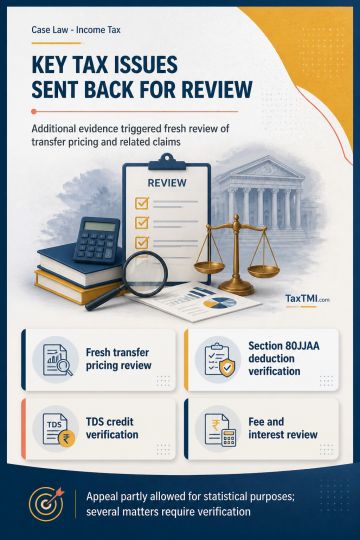
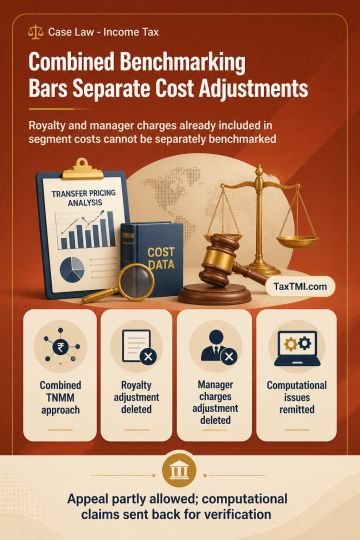
Additional evidence in transfer pricing dispute leads to fresh examination, while tax deductions, TDS credit, fee and refund interest require verifica...
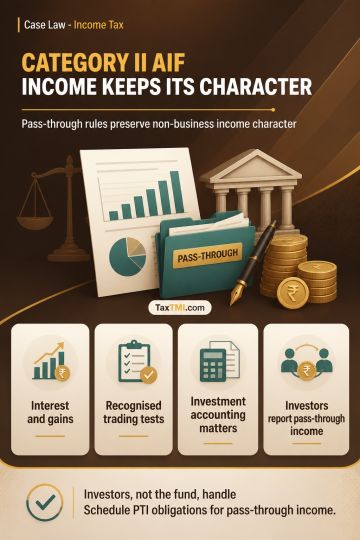
Category II AIF pass-through taxation preserves non-business income character; investment receipts cannot be reclassified without applying recognised ...
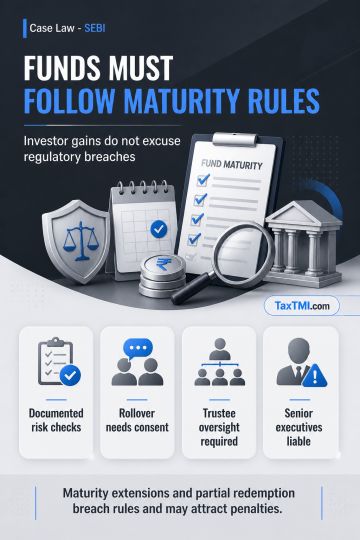
Mutual fund maturity rules require proper rollover, redemption, disclosure, and due diligence; investor gains cannot excuse regulatory breaches or pen...
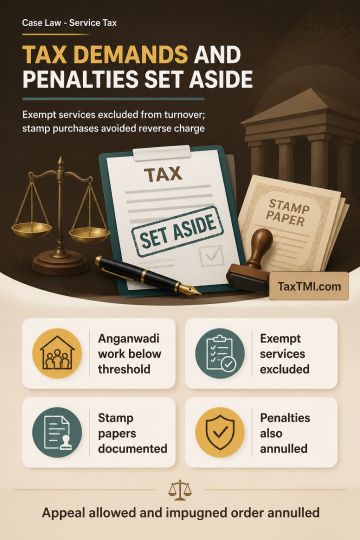
Threshold exemption excludes exempt services, while stamp-paper purchases avoid reverse charge; consequential service tax penalties were also set asid...
The Authority for Advance Ruling determined that the applicant qualifies as an Electronic Commerce Operator (ECO) as per the definitions provided. The applicant owns and manages the digital platform "Vyavshay" for service supply, connecting service providers with users. Section 9(5) of the CGST Act, 2017 applies to services offered through the platform, shifting tax liability to the ECO. The ECO is deemed the supplier of services received by consumers through the platform. The ECO is required to pay tax on transactions facilitated through the platform, regardless of payment flow. The ECO is liable for GST on app usage charges and transaction values for notified services. The ECO is responsible for tax on transactions with partners, excluding those not covered by Section 9(5) of the CGST Act, 2017.
The Authority for Advance Ruling determined that the applicant qualifies as an Electronic Commerce Operator (ECO) as per the definitions provided. The applicant owns and manages the digital platform "Vyavshay" for service supply, connecting service providers with users. Section 9(5) of the CGST Act, 2017 applies to services offered through the platform, shifting tax liability to the ECO. The ECO is deemed the supplier of services received by consumers through the platform. The ECO is required to pay tax on transactions facilitated through the platform, regardless of payment flow. The ECO is liable for GST on app usage charges and transaction values for notified services. The ECO is responsible for tax on transactions with partners, excluding those not covered by Section 9(5) of the CGST Act, 2017.
Note: It is a system-generated summary and is for quick reference only.
 TaxTMI
 of 4805




 Join Channel


 TaxTMI
