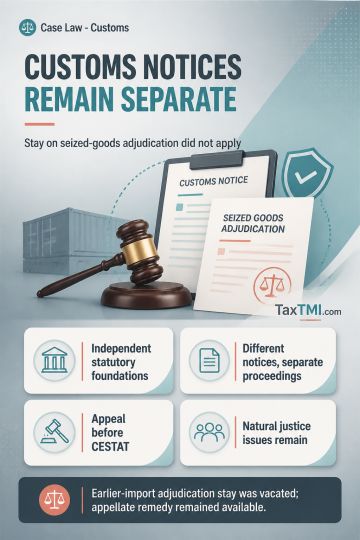
Independent show-cause notices remain separate proceedings, while customs adjudication challenges should ordinarily follow the statutory appellate rem...
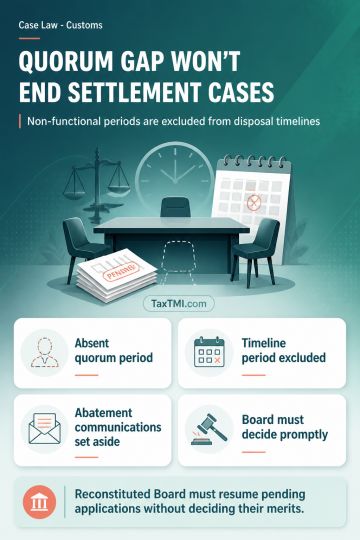
Institutional incapacity in customs settlement proceedings excludes non-functional quorum periods from statutory disposal timelines, preventing automa...
Interactive touchscreen panels with integrated computing functions fall under automatic data-processing machines rather than display monitors for cust...
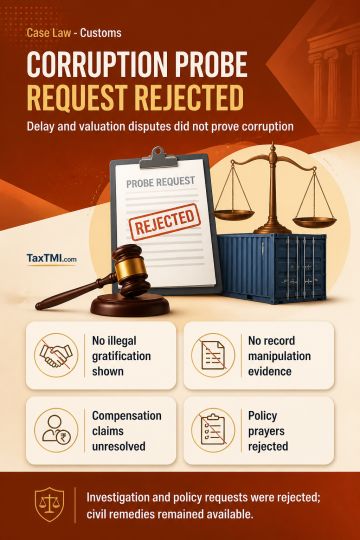
Ex parte injunction service requirements were substantially met, while civil recovery and SFIO investigation into provident fund defalcation continued...
The Delhi High Court addressed a case involving money laundering and illegal kidney transplantation conspiracy. The court emphasized that bail can be challenged and canceled if relevant facts and laws were not considered or if irrelevant factors were taken into account. The Supreme Court rulings in Deepak Yadav v. State of U.P. and Satender Kumar Antil v. CBI were cited to highlight the importance of providing reasoning for bail decisions. The court also referenced the process for handling accused individuals under the PMLA and emphasized the use of summons over warrants. The court upheld the Trial Court's decision not to apply the rigors of Section 45 of the Act due to the delay in investigation and lack of arrest during the process. The court found no fault in the Trial Court's application of Section 436A and Section 428 of the Cr. P.C. in releasing the respondent on bond. Ultimately, the petition challenging the bail order was dismissed for lack of merit.
The Delhi High Court addressed a case involving money laundering and illegal kidney transplantation conspiracy. The court emphasized that bail can be challenged and canceled if relevant facts and laws were not considered or if irrelevant factors were taken into account. The Supreme Court rulings in Deepak Yadav v. State of U.P. and Satender Kumar Antil v. CBI were cited to highlight the importance of providing reasoning for bail decisions. The court also referenced the process for handling accused individuals under the PMLA and emphasized the use of summons over warrants. The court upheld the Trial Court's decision not to apply the rigors of Section 45 of the Act due to the delay in investigation and lack of arrest during the process. The court found no fault in the Trial Court's application of Section 436A and Section 428 of the Cr. P.C. in releasing the respondent on bond. Ultimately, the petition challenging the bail order was dismissed for lack of merit.
Note: It is a system-generated summary and is for quick reference only.
 TaxTMI
 of 4801















 Join Channel


 TaxTMI