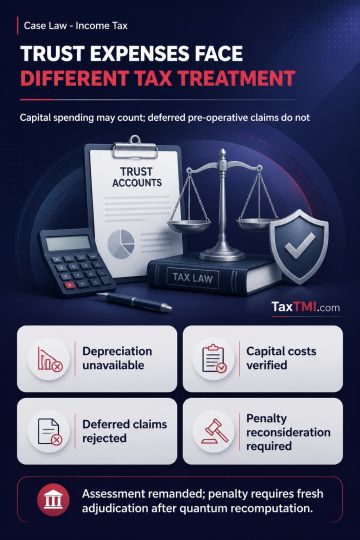
Charitable trust income application permits verified capital expenditure but rejects deferred pre-operative claims and requires reconsideration of con...
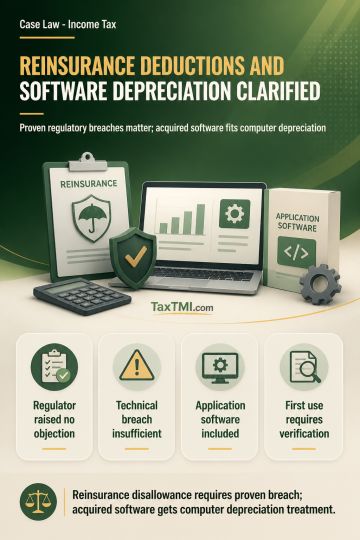
Reinsurance premium deductions require established regulatory breaches, while independently acquired software qualifies within the computer depreciati...
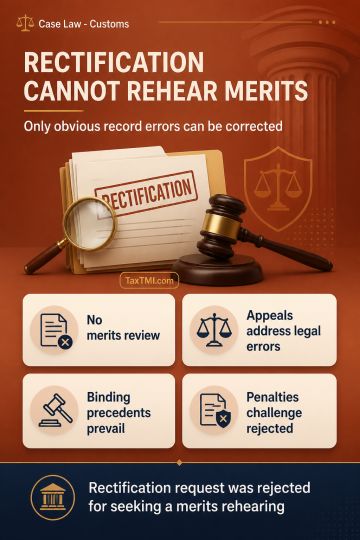
Rectification of mistake remains limited to self-evident record errors, preventing merits review through miscellaneous applications and preserving fin...
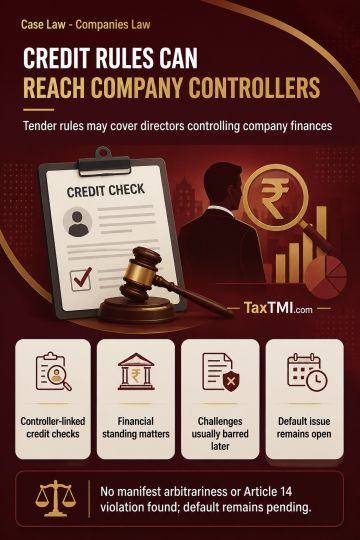
Tender creditworthiness conditions may extend to de facto Promoter Directors, with post-participation challenges generally barred absent arbitrariness...
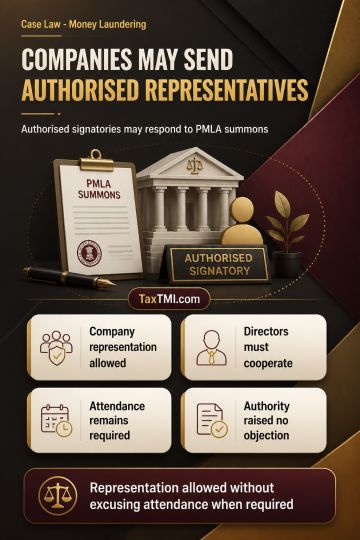
Corporate representation in PMLA summons proceedings permitted through an authorised signatory, subject to directors' continuing cooperation and atten...
The Karnataka High Court addressed the issue of a Sub-Registrar refusing registration of a sale certificate due to pending Income Tax dues against the borrowers. The court held that the SARFAESI Act takes precedence over other statutory dues, including those of the Income Tax Department. Citing a Supreme Court case, it was established that the dues of secured creditors have priority over other dues. The Sub-Registrar's refusal based on Income Tax dues was deemed invalid as it exceeded the authority granted by the Registration Act and Rules. The court emphasized that Sub-Registrars must adhere strictly to the law and cannot refuse registration without valid reasons. It was recommended that the State issue necessary guidelines to prevent arbitrary refusals. The writ petition was allowed in favor of the petitioner.
The Karnataka High Court addressed the issue of a Sub-Registrar refusing registration of a sale certificate due to pending Income Tax dues against the borrowers. The court held that the SARFAESI Act takes precedence over other statutory dues, including those of the Income Tax Department. Citing a Supreme Court case, it was established that the dues of secured creditors have priority over other dues. The Sub-Registrar's refusal based on Income Tax dues was deemed invalid as it exceeded the authority granted by the Registration Act and Rules. The court emphasized that Sub-Registrars must adhere strictly to the law and cannot refuse registration without valid reasons. It was recommended that the State issue necessary guidelines to prevent arbitrary refusals. The writ petition was allowed in favor of the petitioner.
Note: It is a system-generated summary and is for quick reference only.
 TaxTMI
 of 4805





 Join Channel


 TaxTMI
