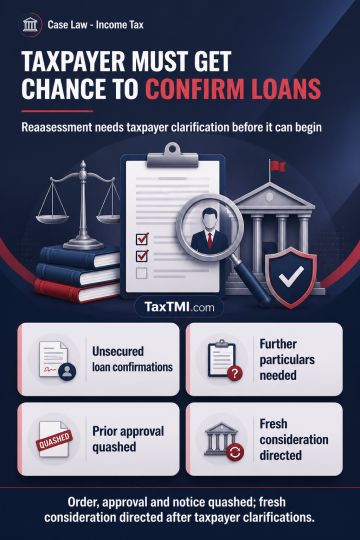
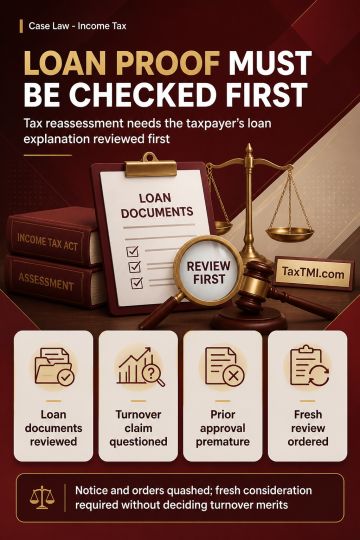
Opportunity to furnish unsecured-loan confirmations is required before reassessment initiation; proceedings require fresh consideration after taxpayer...
The Supreme Court considered the Condonation of Delay in filing an appeal for compensation enhancement, analyzing the applicability of Limitation Act provisions. The Court emphasized the discretionary power of courts in condoning delay, stating that while Section 5 of the Limitation Act should be construed liberally, Section 3 must be strictly interpreted. The Court highlighted that the right of a decree-holder becomes substantive after the limitation period expires, and this right should not be lightly disturbed. The Court declined to exercise its discretionary power to condone the delay, noting the negligence of the claimants in pursuing the appeal and the lack of due diligence. The High Court's decision not to condone the delay was upheld, and the Special Leave Petition was dismissed for lacking merit.
The Supreme Court considered the Condonation of Delay in filing an appeal for compensation enhancement, analyzing the applicability of Limitation Act provisions. The Court emphasized the discretionary power of courts in condoning delay, stating that while Section 5 of the Limitation Act should be construed liberally, Section 3 must be strictly interpreted. The Court highlighted that the right of a decree-holder becomes substantive after the limitation period expires, and this right should not be lightly disturbed. The Court declined to exercise its discretionary power to condone the delay, noting the negligence of the claimants in pursuing the appeal and the lack of due diligence. The High Court's decision not to condone the delay was upheld, and the Special Leave Petition was dismissed for lacking merit.
Note: It is a system-generated summary and is for quick reference only.
 TaxTMI
  TaxTMI
 of 4921