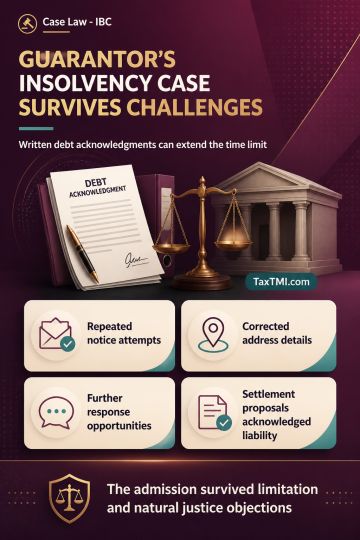
Service of notice and contractual debt acknowledgment preserved insolvency admission against a corporate guarantor despite limitation and natural just...
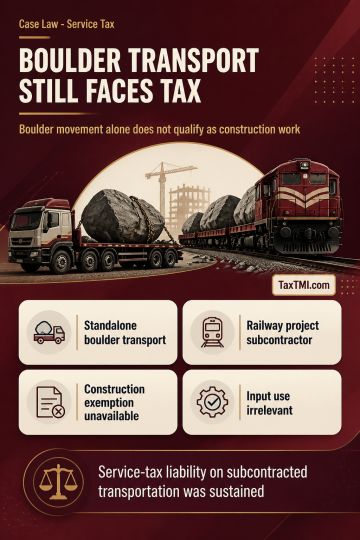
Original works exemption excludes standalone boulder transportation, leaving subcontracted railway-project transport services subject to service tax l...
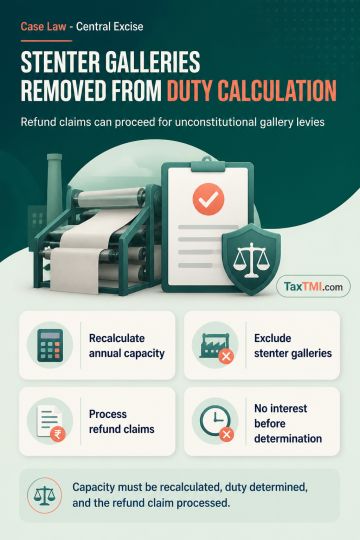
Annual production capacity determinations excluding stenter galleries support refunds for unconstitutional excise levies without an unjust-enrichment ...
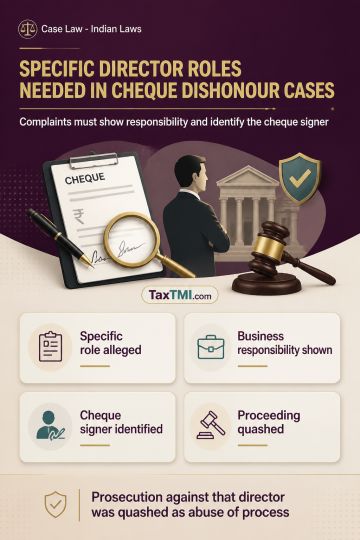
Vicarious liability for cheque dishonour requires specific allegations of responsibility and cheque signatory; generic director allegations cannot sus...
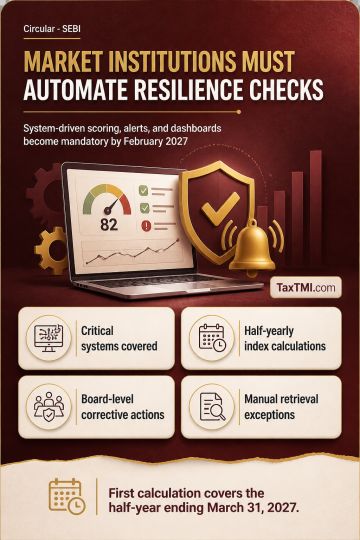
IT Resilience Index requires market infrastructure institutions to automate resilience scoring, early warnings, and continuous service-delivery monito...
The Supreme Court considered the Condonation of Delay in filing an appeal for compensation enhancement, analyzing the applicability of Limitation Act provisions. The Court emphasized the discretionary power of courts in condoning delay, stating that while Section 5 of the Limitation Act should be construed liberally, Section 3 must be strictly interpreted. The Court highlighted that the right of a decree-holder becomes substantive after the limitation period expires, and this right should not be lightly disturbed. The Court declined to exercise its discretionary power to condone the delay, noting the negligence of the claimants in pursuing the appeal and the lack of due diligence. The High Court's decision not to condone the delay was upheld, and the Special Leave Petition was dismissed for lacking merit.
The Supreme Court considered the Condonation of Delay in filing an appeal for compensation enhancement, analyzing the applicability of Limitation Act provisions. The Court emphasized the discretionary power of courts in condoning delay, stating that while Section 5 of the Limitation Act should be construed liberally, Section 3 must be strictly interpreted. The Court highlighted that the right of a decree-holder becomes substantive after the limitation period expires, and this right should not be lightly disturbed. The Court declined to exercise its discretionary power to condone the delay, noting the negligence of the claimants in pursuing the appeal and the lack of due diligence. The High Court's decision not to condone the delay was upheld, and the Special Leave Petition was dismissed for lacking merit.
Note: It is a system-generated summary and is for quick reference only.
 TaxTMI
  TaxTMI
 of 4828







 Join Channel