Additional evidence in transfer pricing dispute leads to fresh examination, while tax deductions, TDS credit, fee and refund interest require verifica...
Category II AIF pass-through taxation preserves non-business income character; investment receipts cannot be reclassified without applying recognised ...
Mutual fund maturity rules require proper rollover, redemption, disclosure, and due diligence; investor gains cannot excuse regulatory breaches or pen...
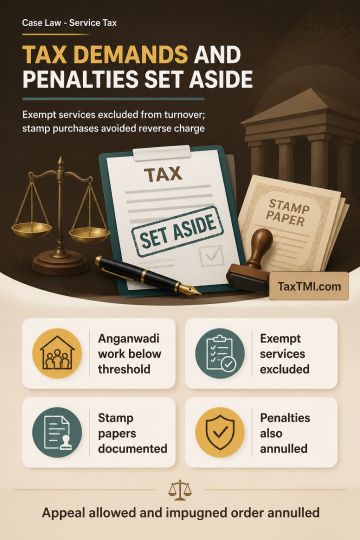
Threshold exemption excludes exempt services, while stamp-paper purchases avoid reverse charge; consequential service tax penalties were also set asid...
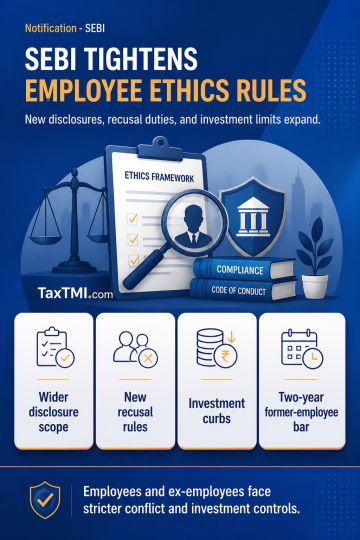
Employee conflict disclosures and investment restrictions expand with new recusal duties, post-employment limits, and compliance reporting requirement...
The Calcutta High Court considered the maintainability of a petition challenging the penalty imposed u/s 129(3) of the West Bengal Goods and Services Tax Act, 2017. The court found that the E-way bill and delivery challan did not comply with Rule 55 of the CGST Rules and the WBGST Rules, raising suspicions of concealment. The petitioner failed to provide necessary documents to clarify the situation, leading to doubts about their bona fides. The court held that the Revenue had jurisdiction to assess tax and compute penalties based on the value of the goods. The order was deemed to be reasoned and passed after giving the petitioner a fresh hearing. Despite the availability of alternative remedies, the court allowed the petition challenging jurisdiction. The court emphasized the responsibility of registered persons to comply with legal requirements and dismissed the writ petition.
The Calcutta High Court considered the maintainability of a petition challenging the penalty imposed u/s 129(3) of the West Bengal Goods and Services Tax Act, 2017. The court found that the E-way bill and delivery challan did not comply with Rule 55 of the CGST Rules and the WBGST Rules, raising suspicions of concealment. The petitioner failed to provide necessary documents to clarify the situation, leading to doubts about their bona fides. The court held that the Revenue had jurisdiction to assess tax and compute penalties based on the value of the goods. The order was deemed to be reasoned and passed after giving the petitioner a fresh hearing. Despite the availability of alternative remedies, the court allowed the petition challenging jurisdiction. The court emphasized the responsibility of registered persons to comply with legal requirements and dismissed the writ petition.
Note: It is a system-generated summary and is for quick reference only.
 TaxTMI
 of 4803

















 Join Channel


 TaxTMI
