Tax exemption for regulatory authority income applies retrospectively, subject to non-commercial activity, unchanged income sources, and return filing...
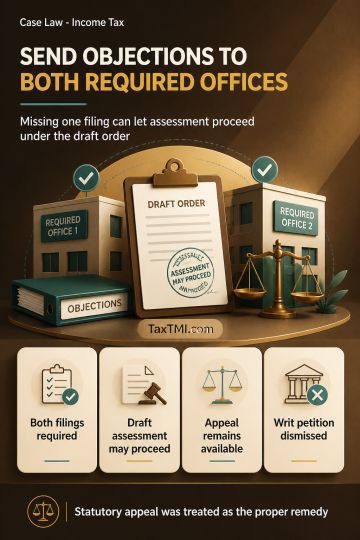
Dispute Resolution Panel objections must reach both prescribed forums; otherwise assessment may proceed and statutory appeal remains the proper remedy...
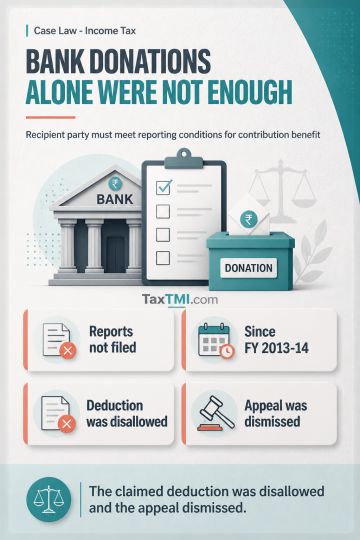
Political contribution deductions require recipient party compliance with contribution-reporting conditions; banking-channel donations alone do not qu...
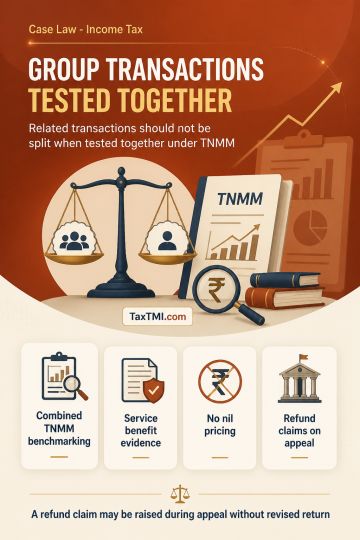
Aggregation under TNMM prevents selective testing of intra-group services without comparable uncontrolled transactions, while appellate additional cla...
Page of 4790
Press 'Enter' after typing page number.
421 to 440 of 95794 Results
❮
❯
❯❯
0 / 200
Expand Note
Add to Folder
No Folders have been created
+
Are you sure you want to delete "My most important" ?
The Calcutta High Court considered the maintainability of a petition challenging the penalty imposed u/s 129(3) of the West Bengal Goods and Services Tax Act, 2017. The court found that the E-way bill and delivery challan did not comply with Rule 55 of the CGST Rules and the WBGST Rules, raising suspicions of concealment. The petitioner failed to provide necessary documents to clarify the situation, leading to doubts about their bona fides. The court held that the Revenue had jurisdiction to assess tax and compute penalties based on the value of the goods. The order was deemed to be reasoned and passed after giving the petitioner a fresh hearing. Despite the availability of alternative remedies, the court allowed the petition challenging jurisdiction. The court emphasized the responsibility of registered persons to comply with legal requirements and dismissed the writ petition.
The Calcutta High Court considered the maintainability of a petition challenging the penalty imposed u/s 129(3) of the West Bengal Goods and Services Tax Act, 2017. The court found that the E-way bill and delivery challan did not comply with Rule 55 of the CGST Rules and the WBGST Rules, raising suspicions of concealment. The petitioner failed to provide necessary documents to clarify the situation, leading to doubts about their bona fides. The court held that the Revenue had jurisdiction to assess tax and compute penalties based on the value of the goods. The order was deemed to be reasoned and passed after giving the petitioner a fresh hearing. Despite the availability of alternative remedies, the court allowed the petition challenging jurisdiction. The court emphasized the responsibility of registered persons to comply with legal requirements and dismissed the writ petition.
Note: It is a system-generated summary and is for quick reference only.
 TaxTMI
 of 4790






 Join Channel


 TaxTMI