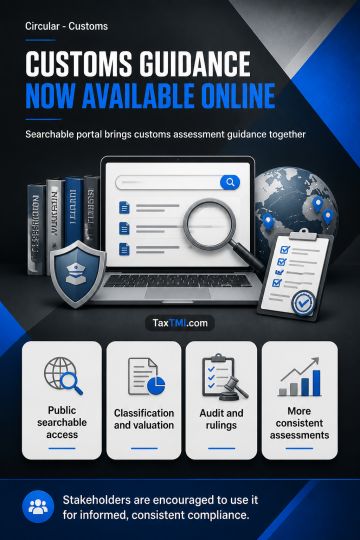
Customs Assessment Portal centralises classification and valuation guidance to support consistent, transparent and informed compliance across stakehol...
GST refunds for cancelled air tickets remain available when passenger reimbursements defeat unjust enrichment and credit-note adjustment is unavailabl...
In the ITAT Surat case, the appeal was delayed by 506 days. The issue was whether there was a "sufficient cause" for the delay, as claimed due to the receiver not opening the email with the order. The Chartered Accountant found the rejection while checking the ITBA portal. The Tribunal held that the delay was inexcusable as the assessee showed negligence and lack of diligence. The casual approach towards registration rejection did not constitute "sufficient cause" u/s 253(5) of the Act. The delay was not condoned, making it unnecessary to discuss the case's merits.
In the ITAT Surat case, the appeal was delayed by 506 days. The issue was whether there was a "sufficient cause" for the delay, as claimed due to the receiver not opening the email with the order. The Chartered Accountant found the rejection while checking the ITBA portal. The Tribunal held that the delay was inexcusable as the assessee showed negligence and lack of diligence. The casual approach towards registration rejection did not constitute "sufficient cause" u/s 253(5) of the Act. The delay was not condoned, making it unnecessary to discuss the case's merits.
Note: It is a system-generated summary and is for quick reference only.
 TaxTMI
  TaxTMI
 of 4916