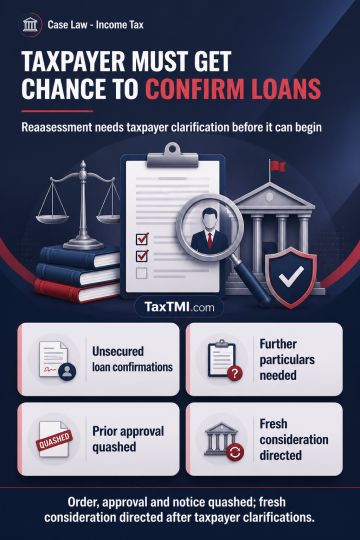
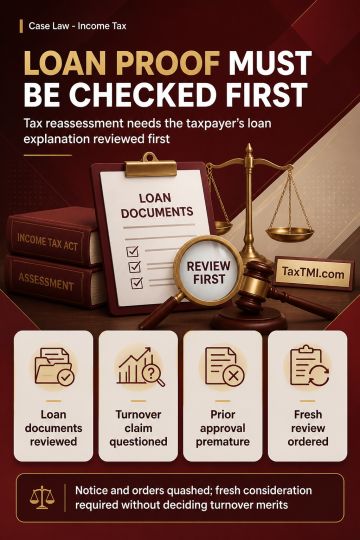
Opportunity to furnish unsecured-loan confirmations is required before reassessment initiation; proceedings require fresh consideration after taxpayer...
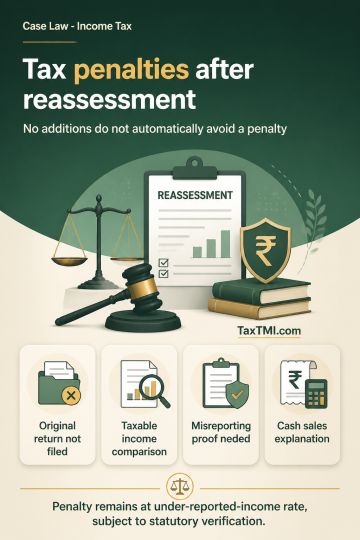
Under-reporting on a first reassessment return attracts penalty, while enhanced misreporting penalty requires proof of a statutory misreporting catego...
The ITAT Ahmedabad considered a case involving exemption u/s 11 for a trust with a belatedly filed income return. The tribunal held that the trust, registered u/s 12AA, was eligible for deduction as a charitable trust. It noted the amendment to Section 139(4) post the Finance Act, 2016, allowing filing within one year from the end of the relevant assessment year. The tribunal disagreed with the CIT(A)'s interpretation of the due date. The trust mistakenly reported an amount under the wrong section in the return, but as the filed return was valid and processed u/s 143(1), the CIT(A)'s rejection was deemed unjust. The tribunal also addressed the late filing of form 10B, citing the proviso to section 143(1)(a) and a previous decision condoning such delays. Following the precedent, the tribunal set aside the CIT(A)'s order, deleted the addition made, and allowed the exemption u/s 11, ultimately ruling in favor of the assessee.
The ITAT Ahmedabad considered a case involving exemption u/s 11 for a trust with a belatedly filed income return. The tribunal held that the trust, registered u/s 12AA, was eligible for deduction as a charitable trust. It noted the amendment to Section 139(4) post the Finance Act, 2016, allowing filing within one year from the end of the relevant assessment year. The tribunal disagreed with the CIT(A)'s interpretation of the due date. The trust mistakenly reported an amount under the wrong section in the return, but as the filed return was valid and processed u/s 143(1), the CIT(A)'s rejection was deemed unjust. The tribunal also addressed the late filing of form 10B, citing the proviso to section 143(1)(a) and a previous decision condoning such delays. Following the precedent, the tribunal set aside the CIT(A)'s order, deleted the addition made, and allowed the exemption u/s 11, ultimately ruling in favor of the assessee.
Note: It is a system-generated summary and is for quick reference only.
 TaxTMI
  TaxTMI
 of 4915