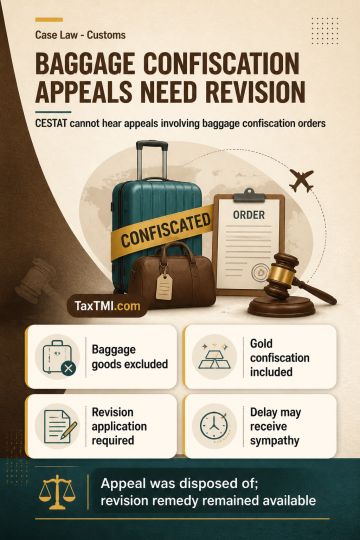
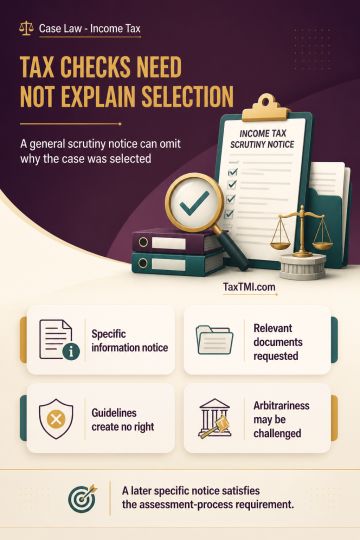
Authentication of paper assessment orders upheld, while qualifying repairs, consumables and vendor advance write-offs remain deductible business claim...
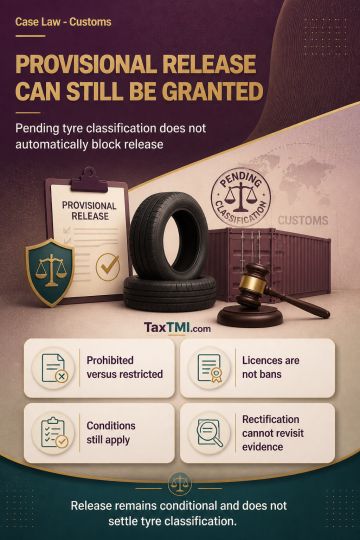
Transaction value cannot be rejected solely on non-statutory valuation guidelines without corroborative evidence supporting reassessment of final cust...
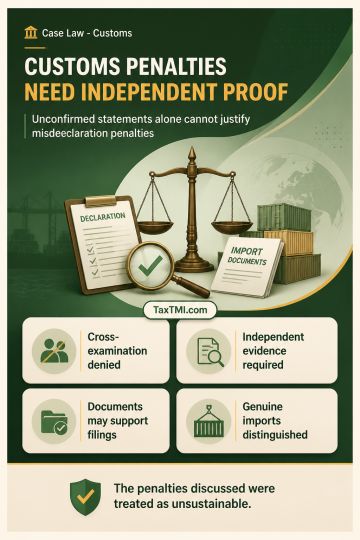
Cross-examination rights and corroborated evidence limit customs penalties for misdeclaration in genuine import transactions involving documented clea...
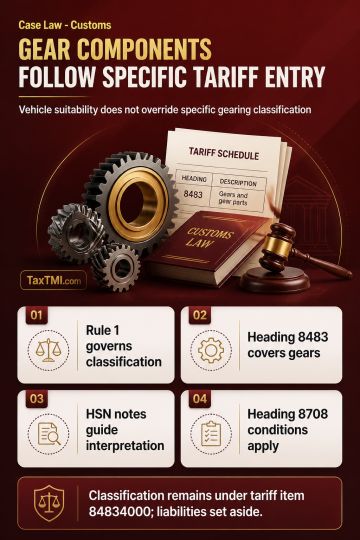
Tariff classification of vehicle gear components follows the specific gearing entry, displacing motor-vehicle parts classification and related liabili...
The Madhya Pradesh High Court considered the maintainability of a petition regarding the recovery of short paid Central Excise Duty. The court noted that the availability of an alternative remedy does not automatically bar the filing of a writ petition, as it depends on the specific circumstances of each case. Citing a Supreme Court judgment, the court emphasized that the doctrine of alternative remedy is a matter of policy and discretion rather than a strict legal rule. The petitioner was found to have been denied the necessary documents and a fair hearing, leading to a violation of principles of natural justice. As a result, the court set aside the final order of recovery and remanded the matter back to the authority for fresh adjudication, allowing the petition by way of remand.
The Madhya Pradesh High Court considered the maintainability of a petition regarding the recovery of short paid Central Excise Duty. The court noted that the availability of an alternative remedy does not automatically bar the filing of a writ petition, as it depends on the specific circumstances of each case. Citing a Supreme Court judgment, the court emphasized that the doctrine of alternative remedy is a matter of policy and discretion rather than a strict legal rule. The petitioner was found to have been denied the necessary documents and a fair hearing, leading to a violation of principles of natural justice. As a result, the court set aside the final order of recovery and remanded the matter back to the authority for fresh adjudication, allowing the petition by way of remand.
Note: It is a system-generated summary and is for quick reference only.
 TaxTMI
 of 4786















 Join Channel


 TaxTMI