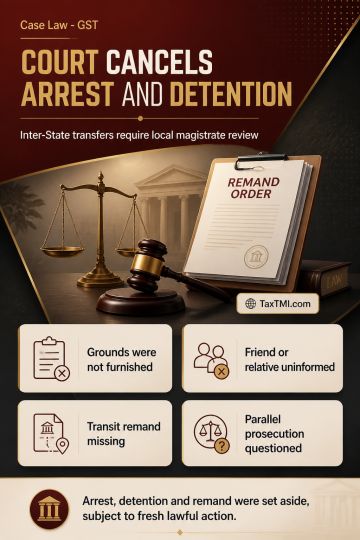
Arrest safeguards and transit remand requirements invalidated detention following inter-State transfer without communicated grounds or magistrate auth...
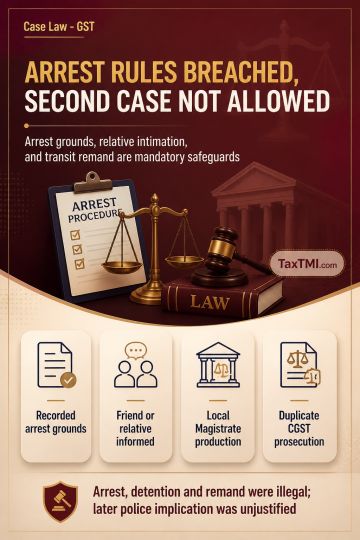
Arrest safeguards require disclosed grounds, relative intimation and transit remand, while duplicate prosecution under the CGST framework is unsustain...
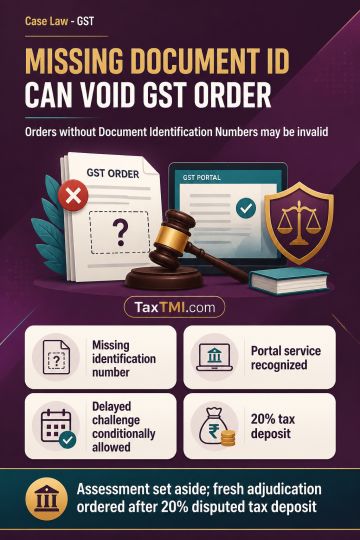
Document Identification Number defects can invalidate GST assessments, with delayed challenges entertained conditionally where patent irregularities e...
Windmill commissioning evidence supported higher depreciation where grid connection and electricity generation proved operational use before the relev...
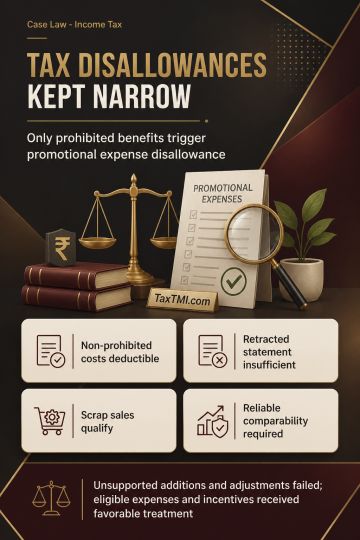
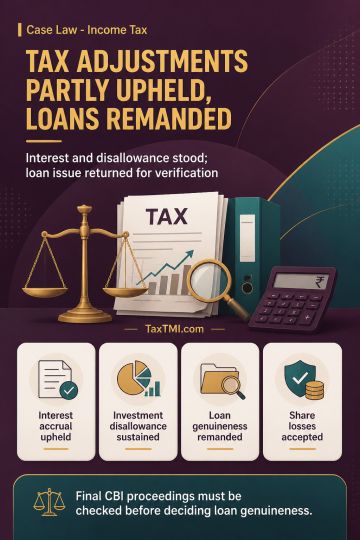
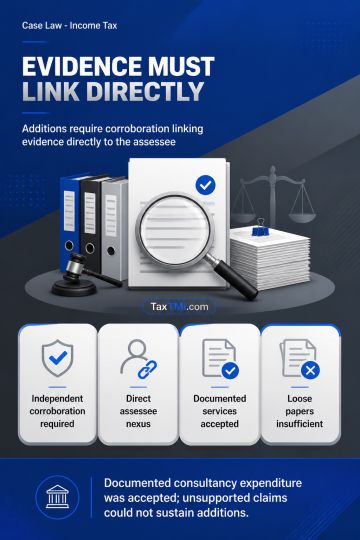
Pharmaceutical promotion and transfer-pricing comparability principles limited disallowances, while uncorroborated search allegations and unsupported ...
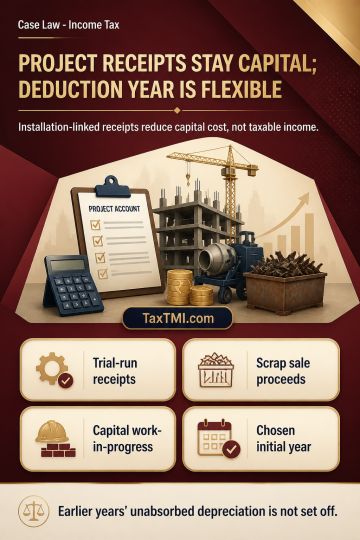
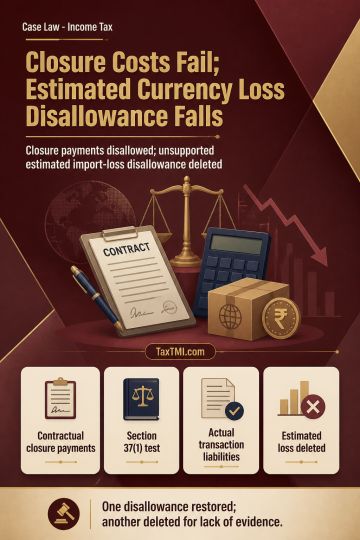
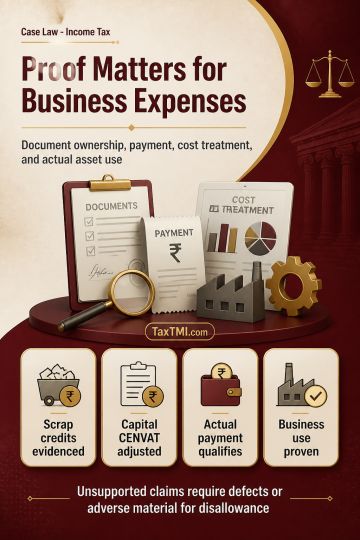
Business expenditure substantiation supports scrap credits, statutory payments and expense claims, while depreciation requires proof of actual busines...
The Securities and Exchange Board of India (Infrastructure Investment Trusts) (Amendment) Regulations, 2024, effective from May 27, 2024, introduce several key changes. Notably, subordinate units are defined and excluded from the calculation of outstanding units (Reg. 2). Regulation 4 mandates only one class of units with equal voting and distribution rights, and allows unitholders with at least 10% of units to nominate a director, subject to recusal provisions. Regulation 12 excludes subordinate units from minimum unitholding requirements. Regulation 14 prohibits public fund-raising if subordinate units are outstanding. Chapter IVA outlines the framework for issuing subordinate units, including issuance conditions, transfer restrictions, and reclassification criteria. Regulation 22 and 23 require separate disclosure of unitholding patterns for ordinary and subordinate units.
The Securities and Exchange Board of India (Infrastructure Investment Trusts) (Amendment) Regulations, 2024, effective from May 27, 2024, introduce several key changes. Notably, subordinate units are defined and excluded from the calculation of outstanding units (Reg. 2). Regulation 4 mandates only one class of units with equal voting and distribution rights, and allows unitholders with at least 10% of units to nominate a director, subject to recusal provisions. Regulation 12 excludes subordinate units from minimum unitholding requirements. Regulation 14 prohibits public fund-raising if subordinate units are outstanding. Chapter IVA outlines the framework for issuing subordinate units, including issuance conditions, transfer restrictions, and reclassification criteria. Regulation 22 and 23 require separate disclosure of unitholding patterns for ordinary and subordinate units.
Note: It is a system-generated summary and is for quick reference only.
 TaxTMI
 of 4792





 Join Channel


 TaxTMI