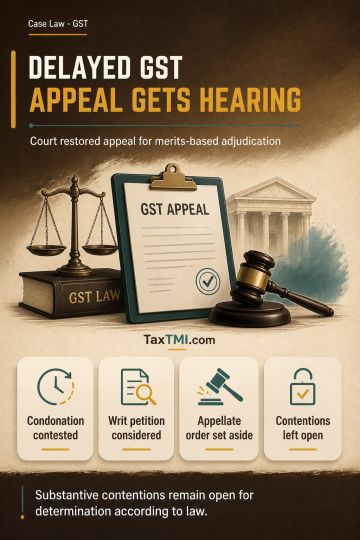
Necessary-party requirements limit impleadment of independent entities, while deferred consideration does not create an appealable adverse determinati...
Food supplement classification requires common parlance and authoritative tests, preventing treatment as proprietary Ayurvedic medicines without suppo...
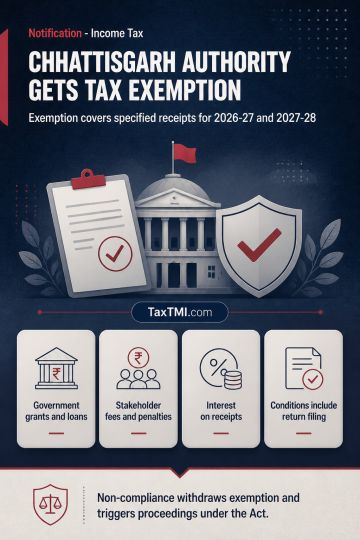
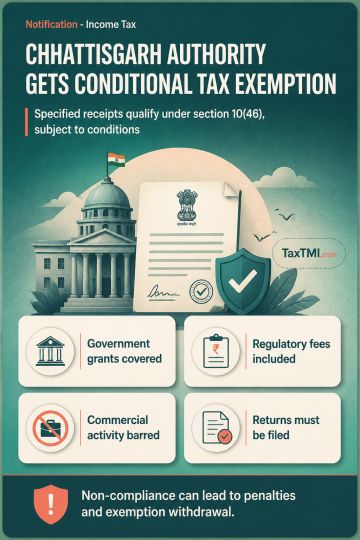
Specified regulatory authority income receives conditional tax exemption, subject to non-commercial activity, unchanged income character, and return f...
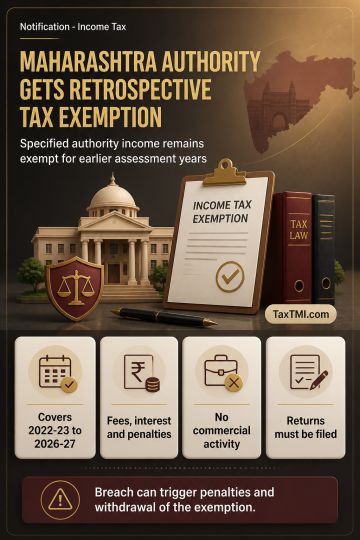
Tax exemption for regulatory authority income applies retrospectively, subject to non-commercial activity, unchanged income sources, and return-filing...
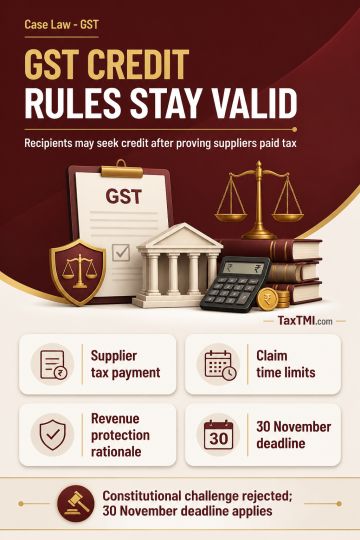
Input tax credit conditions remain constitutionally valid, with eligible recipient claims considered under GST circulars and retrospective filing dead...
The ITAT Kolkata held that the addition on a protective basis made by the Assessing Officer in the hands of the assessee, concerning a loan received from a director and relatives, was not sustainable. The LTCG earned by the loan creditors from share transactions in penny stock companies was the subject of substantive additions in the creditors' cases. Three creditors accepted the additions and paid taxes under Vivad Se Viswas Scheme, explaining the source of the loan as unaccounted income. The 4th creditor, also an Income Tax assessee, had the addition made in their case. As there was no allegation that the creditor's income/LTCG was linked to the assessee's unexplained income, and with the assessment of the other 3 creditors being time-barred without substantive additions, the source of the amount/LTCG was deemed admitted by the department in their hands. Consequently, the protective additions in the assessee's hands were deemed unsustainable, ruling in favor of the assessee.
The ITAT Kolkata held that the addition on a protective basis made by the Assessing Officer in the hands of the assessee, concerning a loan received from a director and relatives, was not sustainable. The LTCG earned by the loan creditors from share transactions in penny stock companies was the subject of substantive additions in the creditors' cases. Three creditors accepted the additions and paid taxes under Vivad Se Viswas Scheme, explaining the source of the loan as unaccounted income. The 4th creditor, also an Income Tax assessee, had the addition made in their case. As there was no allegation that the creditor's income/LTCG was linked to the assessee's unexplained income, and with the assessment of the other 3 creditors being time-barred without substantive additions, the source of the amount/LTCG was deemed admitted by the department in their hands. Consequently, the protective additions in the assessee's hands were deemed unsustainable, ruling in favor of the assessee.
Note: It is a system-generated summary and is for quick reference only.
 TaxTMI
 of 4792















 Join Channel


 TaxTMI