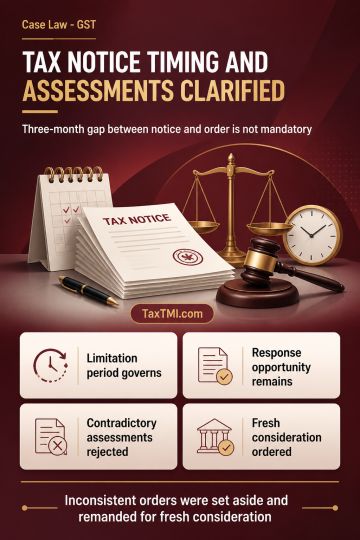
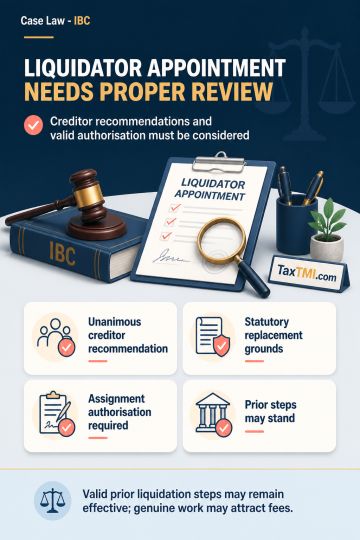
Liquidator appointment under Section 34 requires consideration of creditor recommendations, valid professional authorisation, and preservation of vali...
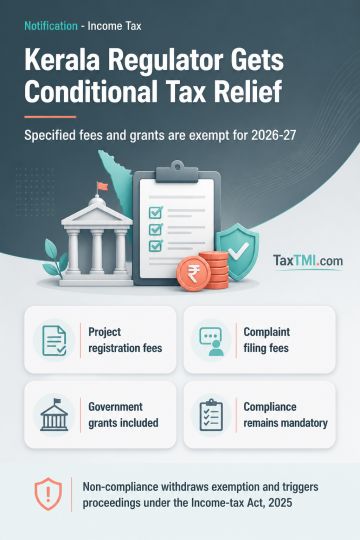
Income-tax exemption for specified regulatory fees and government grants applies subject to non-commercial activity and continuing compliance conditio...
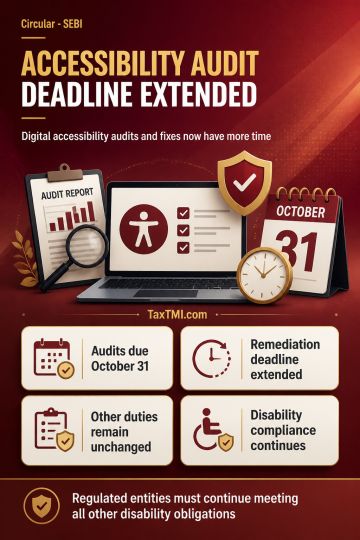
Digital accessibility audit and remediation deadlines extended, while all other disability-compliance obligations for regulated entities remain unchan...
The Punjab & Haryana High Court allowed the compounding of the offence u/s 138 N.I. Act between parties in a dishonour of cheque case. Citing precedent, the court held that compounding can be done during trial or by the High Court u/r Section 320(6) Cr.P.C. Settlement led to acquittal u/s 147 of NI Act and Section 320 Cr.P.C. The parties' voluntary settlement justified allowing compounding. The revision petition was allowed, with 15% of the cheque amount to be deposited with a specified center, leading to acquittal of the petitioner from the charge u/s 138 of NI Act.
The Punjab & Haryana High Court allowed the compounding of the offence u/s 138 N.I. Act between parties in a dishonour of cheque case. Citing precedent, the court held that compounding can be done during trial or by the High Court u/r Section 320(6) Cr.P.C. Settlement led to acquittal u/s 147 of NI Act and Section 320 Cr.P.C. The parties' voluntary settlement justified allowing compounding. The revision petition was allowed, with 15% of the cheque amount to be deposited with a specified center, leading to acquittal of the petitioner from the charge u/s 138 of NI Act.
Note: It is a system-generated summary and is for quick reference only.
 TaxTMI
 of 4782




 Join Channel


 TaxTMI