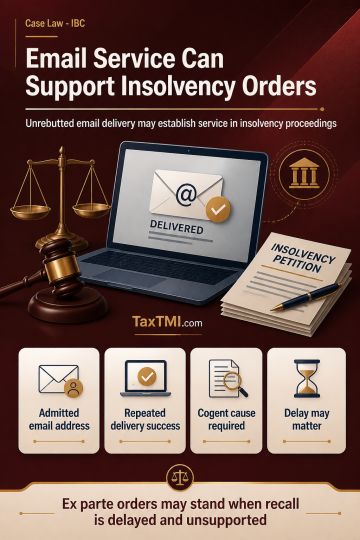
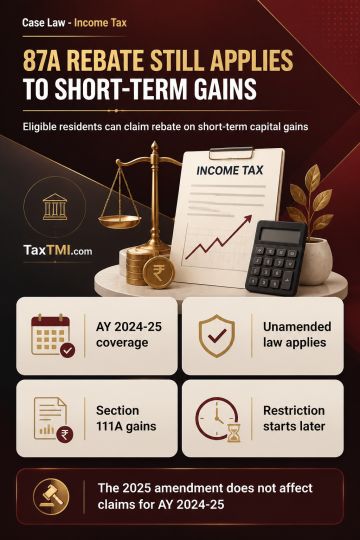
Bogus donation receipts justified commission income assessment and defeated political-party tax exemption for inaccurate accounts and reporting failur...
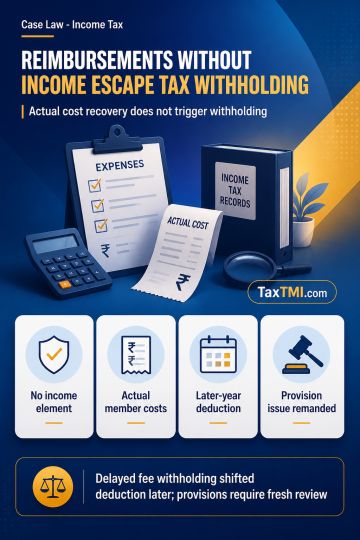
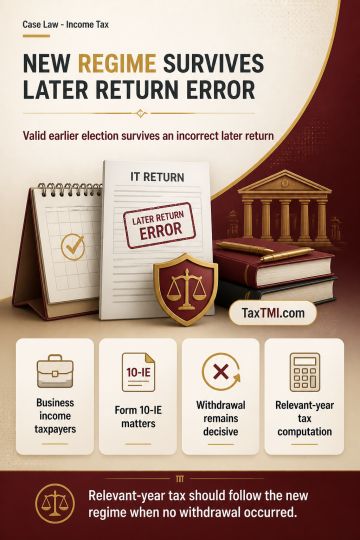
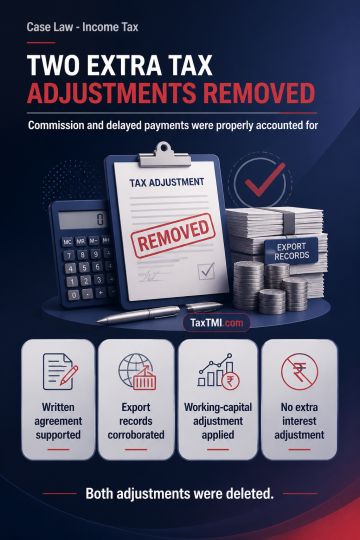
Pure reimbursement without income element escapes tax withholding, while delayed withholding and unsupported provisions face deferred or renewed scrut...
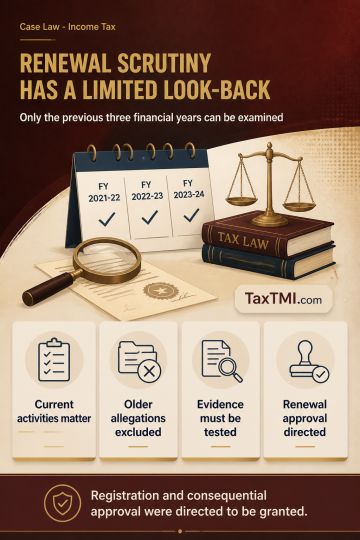
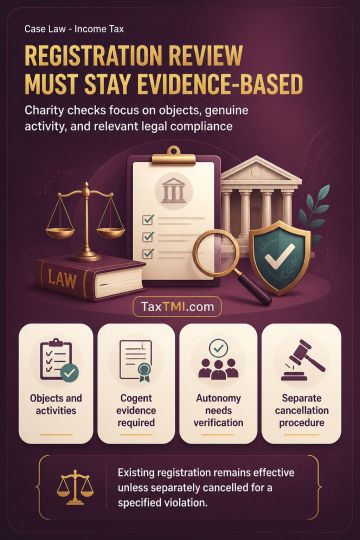
Public benefit requirement defeats charitable registration where residents' association services are reciprocal, member-only facilities governed by mu...
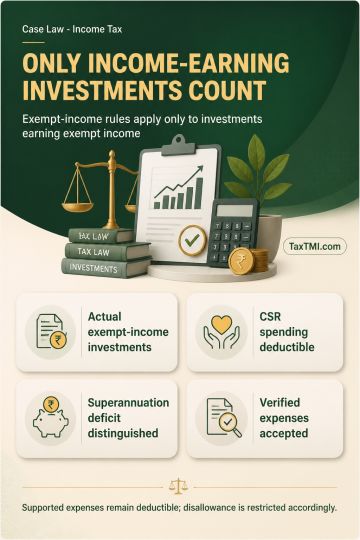
Exempt-income expenditure disallowance is confined to investments that actually generated exempt income, while supported business expenses remain dedu...
Objective characteristics and principal use govern mining-tyre classification, while fresh advance ruling applications may rely on additional technica...
The Calcutta High Court considered a case involving the clandestine removal of wire rods and the levy of a penalty under Rule 26 of the Central Excise Rules, 2002. The court noted the lack of specific findings on the confiscable nature of the goods and the failure to follow a previous order. The appellant provided details of brokers and transporters involved. The tribunal found the penalty justified based on various evidence, including computerized records and statements. The appellate authority upheld the penalty, considering the lack of invoice evidence and rejecting a belated retraction. The court referred to the Supreme Court decision on voluntary confessional statements. The tribunal affirmed the findings, distinguishing a previous case. Ultimately, the court found no substantial legal questions, leading to the dismissal of the appeal.
The Calcutta High Court considered a case involving the clandestine removal of wire rods and the levy of a penalty under Rule 26 of the Central Excise Rules, 2002. The court noted the lack of specific findings on the confiscable nature of the goods and the failure to follow a previous order. The appellant provided details of brokers and transporters involved. The tribunal found the penalty justified based on various evidence, including computerized records and statements. The appellate authority upheld the penalty, considering the lack of invoice evidence and rejecting a belated retraction. The court referred to the Supreme Court decision on voluntary confessional statements. The tribunal affirmed the findings, distinguishing a previous case. Ultimately, the court found no substantial legal questions, leading to the dismissal of the appeal.
Note: It is a system-generated summary and is for quick reference only.
 TaxTMI
 of 4788





 Join Channel


 TaxTMI