Commercial vehicle depreciation, scientifically determined warranty provisions and exempt-income disallowances were resolved in favour of the taxpayer...
Inherited property sale proceeds require capital-gains treatment where ownership is supported by evidence, not suspicion or unverified signature doubt...
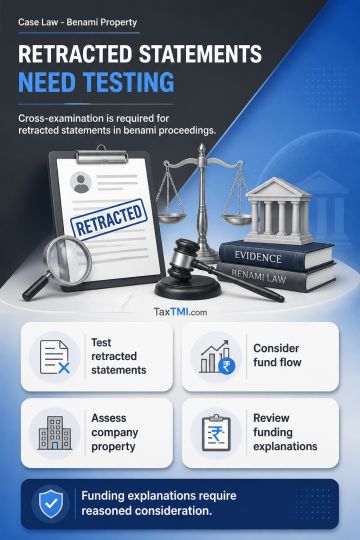
Cross-examination of retracted statements is essential where foundational evidence supports a benami allegation and documented funding explanations re...
Capital-goods exemption covers plant-modernisation accessories, while the import restriction applies only to earlier capital-goods components and spar...
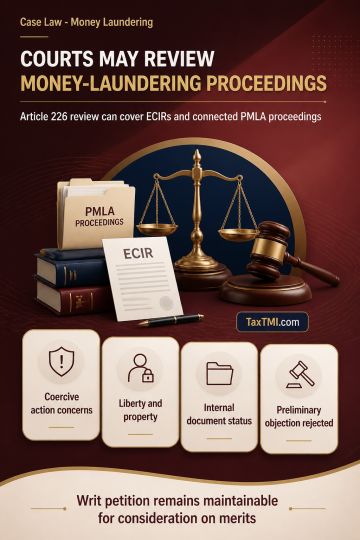
Constitutional judicial review permits challenges to ECIRs and connected money-laundering proceedings where coercive action affects fundamental intere...
The case before CESTAT New Delhi involved fraudulent registration and utilization of duty-free scrips, leading to penalties. The appellant failed to comply with notification requirements for duty exemption, resulting in denial of benefits. The appellant purchased a forged and fraudulent scrip, failing to verify its authenticity as required by Foreign Trade Policy and exemption notifications. The appellant's lack of due diligence in verifying and producing the scrip at clearance led to the imposition of penalties. The principle of caveat emptor was applied, emphasizing the buyer's responsibility to make reasonable inquiries. The imposition of penalties under section 114A was upheld due to the appellant's failure to meet notification requirements and lack of genuine belief. The appeals were dismissed, affirming the penalties and confirming the demand.
The case before CESTAT New Delhi involved fraudulent registration and utilization of duty-free scrips, leading to penalties. The appellant failed to comply with notification requirements for duty exemption, resulting in denial of benefits. The appellant purchased a forged and fraudulent scrip, failing to verify its authenticity as required by Foreign Trade Policy and exemption notifications. The appellant's lack of due diligence in verifying and producing the scrip at clearance led to the imposition of penalties. The principle of caveat emptor was applied, emphasizing the buyer's responsibility to make reasonable inquiries. The imposition of penalties under section 114A was upheld due to the appellant's failure to meet notification requirements and lack of genuine belief. The appeals were dismissed, affirming the penalties and confirming the demand.
Note: It is a system-generated summary and is for quick reference only.
 TaxTMI
 of 4782




















 Join Channel


 TaxTMI
