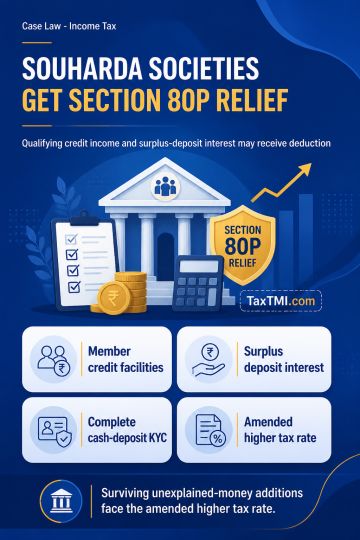
Section 80P deduction covers Souharda credit societies, including qualifying surplus-deposit interest, subject to member KYC verification for cash dep...
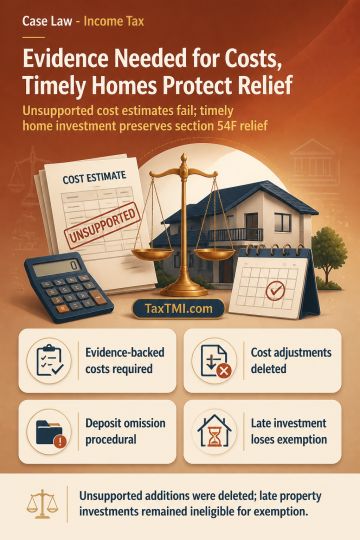
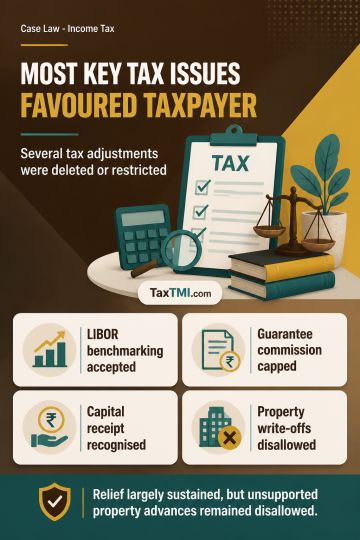
Transfer-pricing benchmarking and capital-receipt principles sustained taxpayer relief, while unsupported property-advance write-offs remained disallo...
Pre-existing operational debt disputes require genuine evidence, while undirected running-account payments may be appropriated on a first-in-first-out...
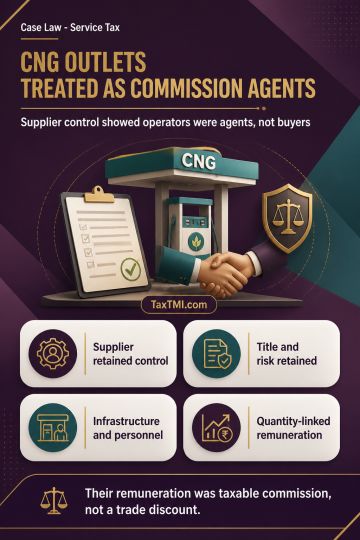
Agency in CNG distribution makes outlet operators commission agents, rendering taxable Business Auxiliary Service rather than purchasing goods for res...
Page of 4790
Press 'Enter' after typing page number.
741 to 760 of 95794 Results
❮
❯
❯❯
0 / 200
Expand Note
Add to Folder
No Folders have been created
+
Are you sure you want to delete "My most important" ?
Entities generating over 100 metric tonnes of used oil annually must comply with the Hazardous and Other Wastes (Management and Transboundary Movement) Second Amendment Rules, 2023. Key terms include "business," "collection point," "collection agent," "energy recovery," and "environmentally sound management." Producers, collection agents, recyclers, and used oil importers must register with the Central Pollution Control Board (CPCB) on the portal. Extended Producer Responsibility (EPR) mandates recycling targets, with penalties for non-compliance. EPR certificates are issued to recyclers and can be traded. The CPCB oversees compliance, supported by state bodies and a Steering Committee. Environmental compensation and prosecution apply for violations.
Entities generating over 100 metric tonnes of used oil annually must comply with the Hazardous and Other Wastes (Management and Transboundary Movement) Second Amendment Rules, 2023. Key terms include "business," "collection point," "collection agent," "energy recovery," and "environmentally sound management." Producers, collection agents, recyclers, and used oil importers must register with the Central Pollution Control Board (CPCB) on the portal. Extended Producer Responsibility (EPR) mandates recycling targets, with penalties for non-compliance. EPR certificates are issued to recyclers and can be traded. The CPCB oversees compliance, supported by state bodies and a Steering Committee. Environmental compensation and prosecution apply for violations.
Note: It is a system-generated summary and is for quick reference only.
 TaxTMI
 of 4790










 Join Channel


 TaxTMI