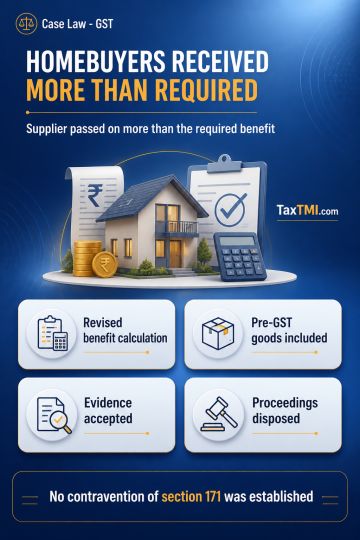
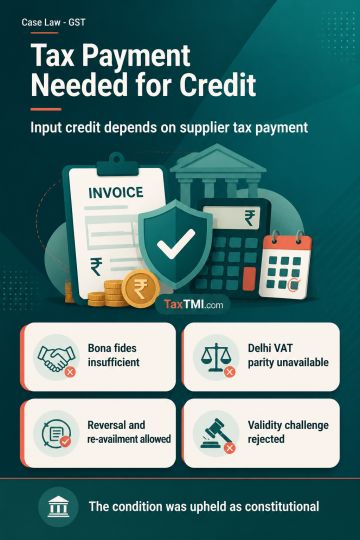
Input tax credit conditions remain constitutionally valid, with eligible recipient claims considered under GST circulars and retrospective filing dead...
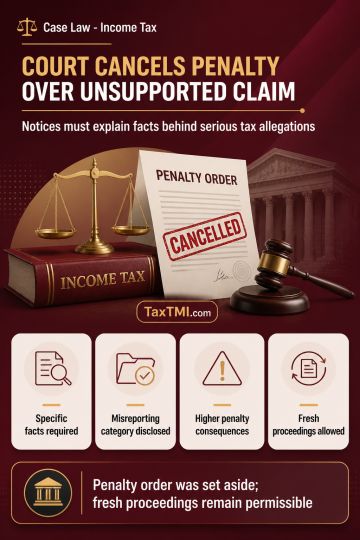
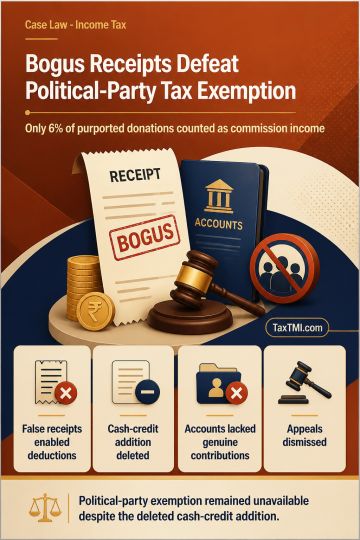
Bogus donation receipts justified commission income assessment and defeated political-party tax exemption for inaccurate accounts and reporting failur...
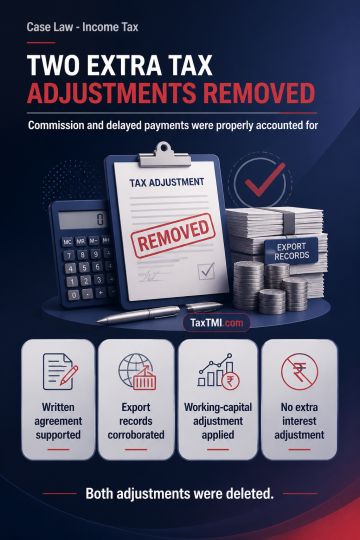
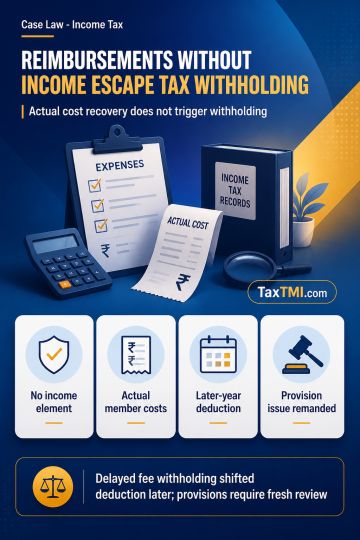
Pure reimbursement without income element escapes tax withholding, while delayed withholding and unsupported provisions face deferred or renewed scrut...
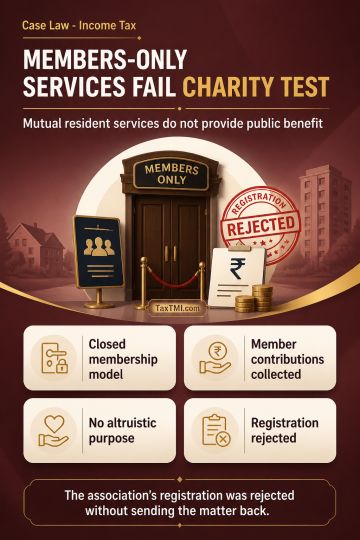
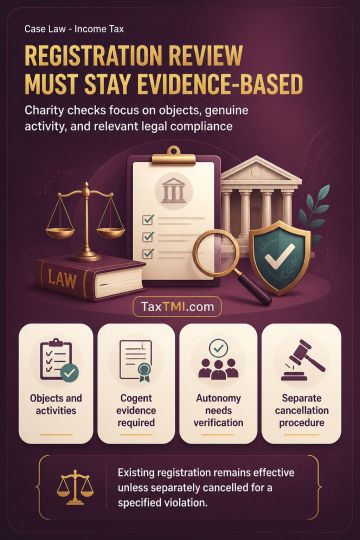
Public benefit requirement defeats charitable registration where residents' association services are reciprocal, member-only facilities governed by mu...
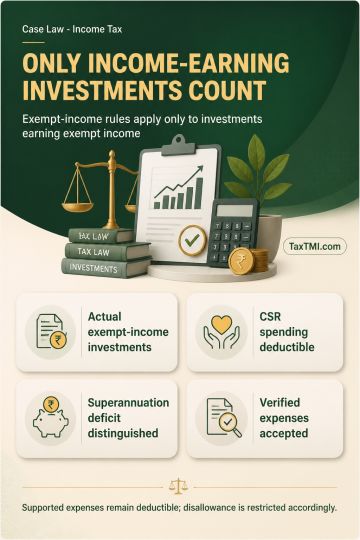
Exempt-income expenditure disallowance is confined to investments that actually generated exempt income, while supported business expenses remain dedu...
Entities generating over 100 metric tonnes of used oil annually must comply with the Hazardous and Other Wastes (Management and Transboundary Movement) Second Amendment Rules, 2023. Key terms include "business," "collection point," "collection agent," "energy recovery," and "environmentally sound management." Producers, collection agents, recyclers, and used oil importers must register with the Central Pollution Control Board (CPCB) on the portal. Extended Producer Responsibility (EPR) mandates recycling targets, with penalties for non-compliance. EPR certificates are issued to recyclers and can be traded. The CPCB oversees compliance, supported by state bodies and a Steering Committee. Environmental compensation and prosecution apply for violations.
Entities generating over 100 metric tonnes of used oil annually must comply with the Hazardous and Other Wastes (Management and Transboundary Movement) Second Amendment Rules, 2023. Key terms include "business," "collection point," "collection agent," "energy recovery," and "environmentally sound management." Producers, collection agents, recyclers, and used oil importers must register with the Central Pollution Control Board (CPCB) on the portal. Extended Producer Responsibility (EPR) mandates recycling targets, with penalties for non-compliance. EPR certificates are issued to recyclers and can be traded. The CPCB oversees compliance, supported by state bodies and a Steering Committee. Environmental compensation and prosecution apply for violations.
Note: It is a system-generated summary and is for quick reference only.
 TaxTMI
 of 4786





 Join Channel


 TaxTMI