Tax exemption for regulatory authority income applies retrospectively, subject to non-commercial activity, unchanged income sources, and return filing...
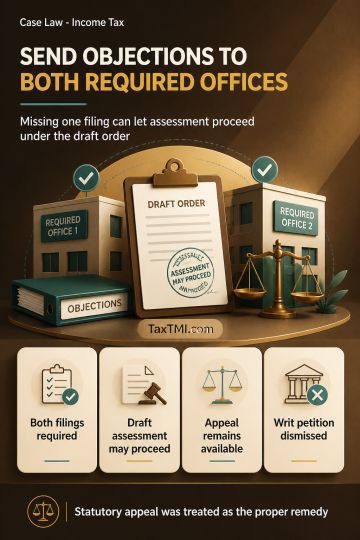
Dispute Resolution Panel objections must reach both prescribed forums; otherwise assessment may proceed and statutory appeal remains the proper remedy...
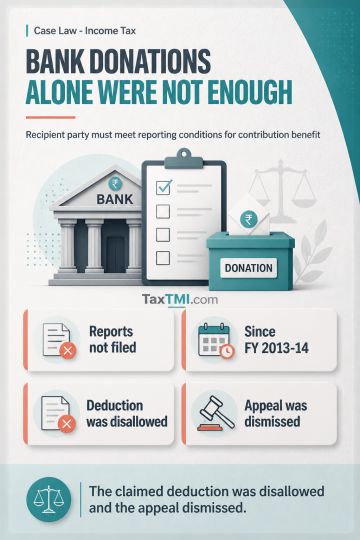
Political contribution deductions require recipient party compliance with contribution-reporting conditions; banking-channel donations alone do not qu...
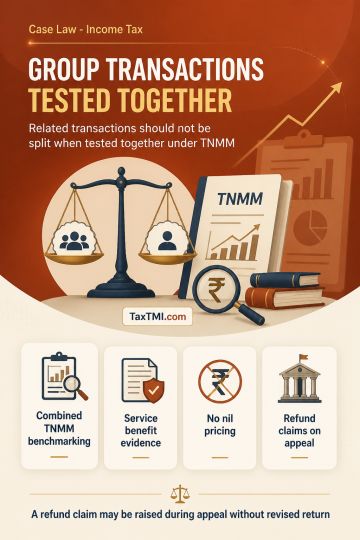
Aggregation under TNMM prevents selective testing of intra-group services without comparable uncontrolled transactions, while appellate additional cla...
Page of 4786
Press 'Enter' after typing page number.
341 to 360 of 95714 Results
❮
❯
❯❯
0 / 200
Expand Note
Add to Folder
No Folders have been created
+
Are you sure you want to delete "My most important" ?
Entities generating over 100 metric tonnes of used oil annually must comply with the Hazardous and Other Wastes (Management and Transboundary Movement) Second Amendment Rules, 2023. Key terms include "business," "collection point," "collection agent," "energy recovery," and "environmentally sound management." Producers, collection agents, recyclers, and used oil importers must register with the Central Pollution Control Board (CPCB) on the portal. Extended Producer Responsibility (EPR) mandates recycling targets, with penalties for non-compliance. EPR certificates are issued to recyclers and can be traded. The CPCB oversees compliance, supported by state bodies and a Steering Committee. Environmental compensation and prosecution apply for violations.
Entities generating over 100 metric tonnes of used oil annually must comply with the Hazardous and Other Wastes (Management and Transboundary Movement) Second Amendment Rules, 2023. Key terms include "business," "collection point," "collection agent," "energy recovery," and "environmentally sound management." Producers, collection agents, recyclers, and used oil importers must register with the Central Pollution Control Board (CPCB) on the portal. Extended Producer Responsibility (EPR) mandates recycling targets, with penalties for non-compliance. EPR certificates are issued to recyclers and can be traded. The CPCB oversees compliance, supported by state bodies and a Steering Committee. Environmental compensation and prosecution apply for violations.
Note: It is a system-generated summary and is for quick reference only.
 TaxTMI
 of 4786






 Join Channel


 TaxTMI