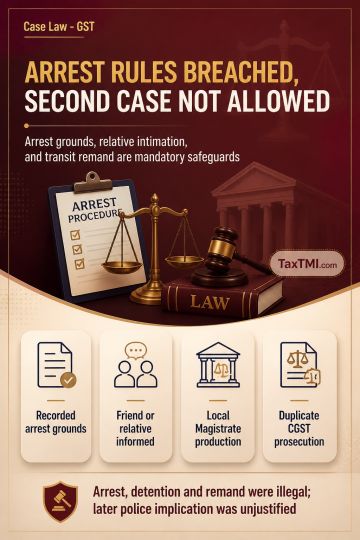
Arrest safeguards require disclosed grounds, relative intimation and transit remand, while duplicate prosecution under the CGST framework is unsustain...
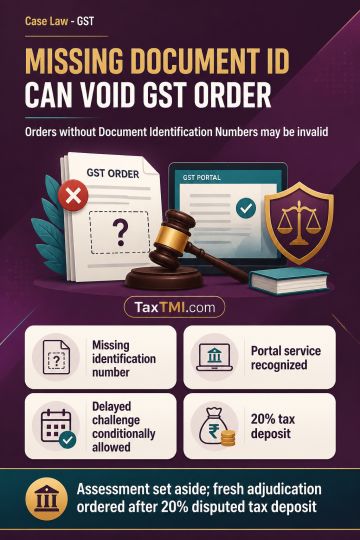
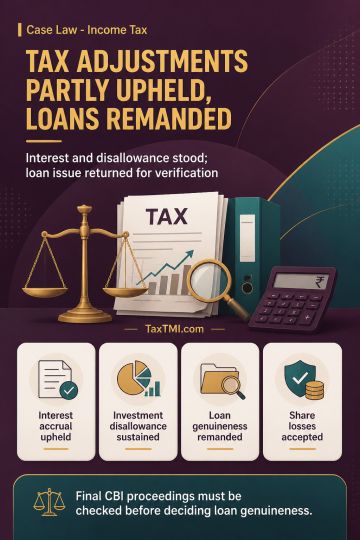
Document Identification Number defects can invalidate GST assessments, with delayed challenges entertained conditionally where patent irregularities e...
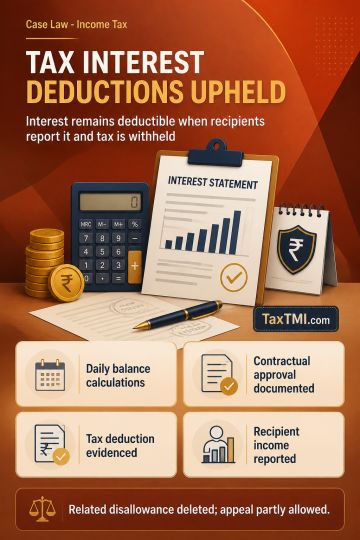
Windmill commissioning evidence supported higher depreciation where grid connection and electricity generation proved operational use before the relev...
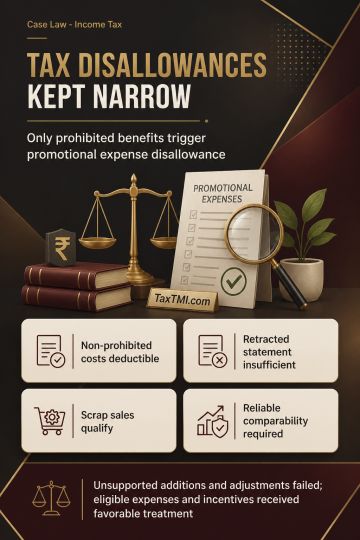
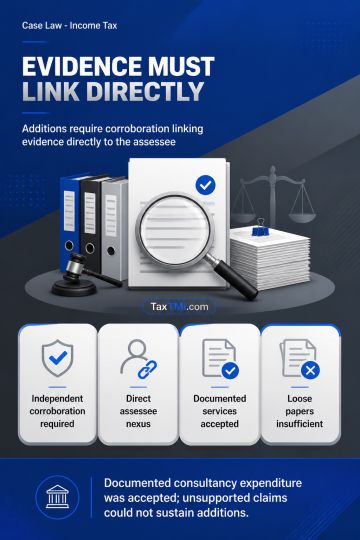
Pharmaceutical promotion and transfer-pricing comparability principles limited disallowances, while uncorroborated search allegations and unsupported ...
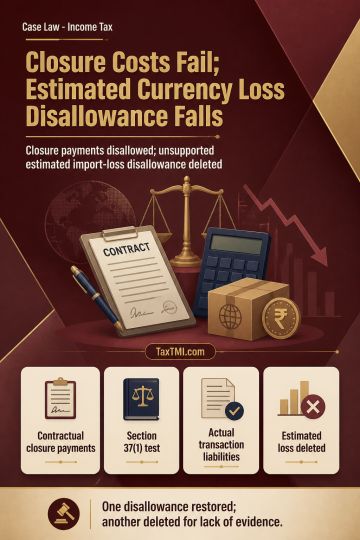
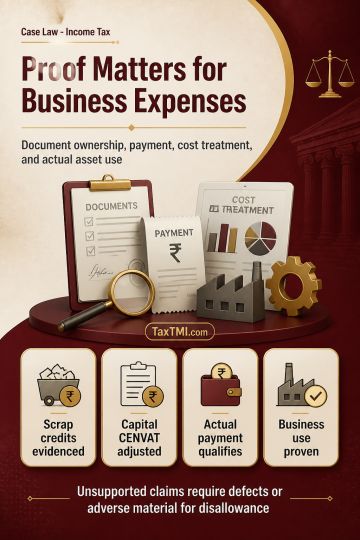
Business expenditure substantiation supports scrap credits, statutory payments and expense claims, while depreciation requires proof of actual busines...
The case involved the classification of Diagnostic Kits as "drugs" under the Drugs and Cosmetics Act, 1940. The court held that devices used for diagnosis fall under the definition of "drug" only if specified by the Central Government in the Official Gazette. Diagnostic Kits were deemed more akin to "devices" than "medicines" and would be considered as "drugs" under sub-section (iv) of Section 3 (b) if notified by the Central Government. The court noted the absence of evidence showing Diagnostic Kits are considered "medicines" or "drugs" by medical practitioners. If the Kits are notified as "drugs," they would be charged at 4% under Entry 48 of Schedule C; otherwise, they would fall under Entry 165 of Schedule D and be taxed at 12.5%. The court disposed of the petition accordingly.
The case involved the classification of Diagnostic Kits as "drugs" under the Drugs and Cosmetics Act, 1940. The court held that devices used for diagnosis fall under the definition of "drug" only if specified by the Central Government in the Official Gazette. Diagnostic Kits were deemed more akin to "devices" than "medicines" and would be considered as "drugs" under sub-section (iv) of Section 3 (b) if notified by the Central Government. The court noted the absence of evidence showing Diagnostic Kits are considered "medicines" or "drugs" by medical practitioners. If the Kits are notified as "drugs," they would be charged at 4% under Entry 48 of Schedule C; otherwise, they would fall under Entry 165 of Schedule D and be taxed at 12.5%. The court disposed of the petition accordingly.
Note: It is a system-generated summary and is for quick reference only.
 TaxTMI
 of 4794





 Join Channel


 TaxTMI