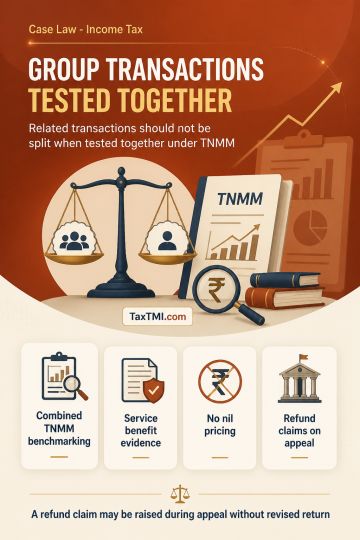
Aggregation under TNMM prevents selective testing of intra-group services without comparable uncontrolled transactions, while appellate additional cla...
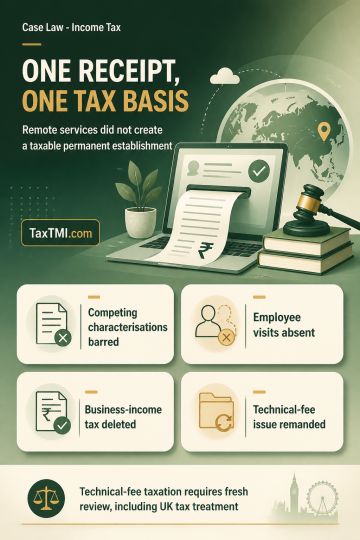
Protective assessment cannot duplicate identical receipts under competing characterisations; remote services did not establish a taxable permanent est...
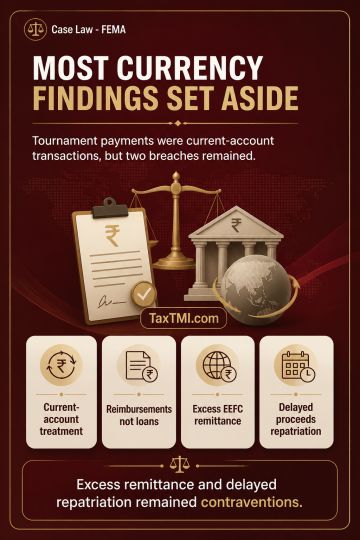
Current account treatment of overseas tournament services removed most FEMA findings, but excess EEFC remittance and delayed repatriation remained bre...
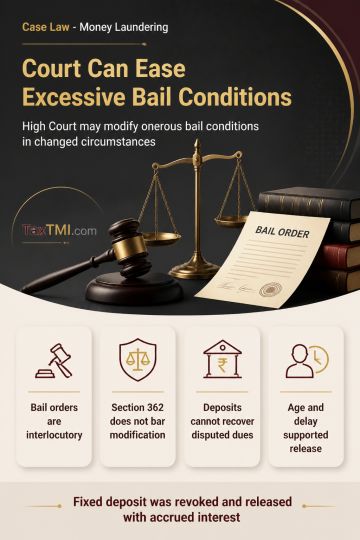
Modification of bail conditions remains available through inherent jurisdiction where onerous deposits undermine justice and cannot recover disputed d...
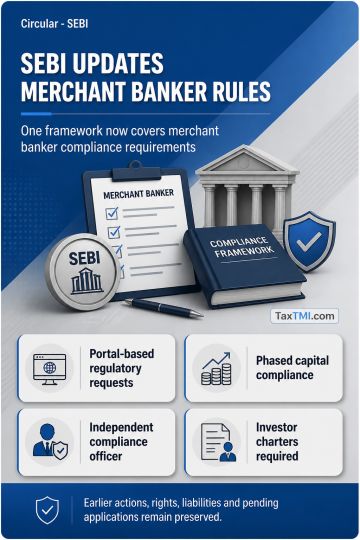
Merchant banker regulation consolidates registration, governance, capital, reporting, outsourcing and investor-protection requirements under an update...
The case involved the determination of penalty u/s 69(1)(k) of the J&K Value Added Tax Act, 2005 for the issuance of 35 improper invoices on the same day. The High Court held that each tax invoice, if found to be in default, attracts a penalty of ten times the tax payable on that invoice or Rs. 10,000, whichever is higher. The court clarified that the penalty is meant to deter VAT dealers from under-assessing or evading tax liabilities. It emphasized that the penalty is to be applied to each individual tax invoice, not based on the total number of invoices generated in a day. The court rejected the notion of penalizing based on the accumulation of invoices for a specific day. Each default on a tax invoice is to be penalized independently as per the provisions of the VAT Act.
The case involved the determination of penalty u/s 69(1)(k) of the J&K Value Added Tax Act, 2005 for the issuance of 35 improper invoices on the same day. The High Court held that each tax invoice, if found to be in default, attracts a penalty of ten times the tax payable on that invoice or Rs. 10,000, whichever is higher. The court clarified that the penalty is meant to deter VAT dealers from under-assessing or evading tax liabilities. It emphasized that the penalty is to be applied to each individual tax invoice, not based on the total number of invoices generated in a day. The court rejected the notion of penalizing based on the accumulation of invoices for a specific day. Each default on a tax invoice is to be penalized independently as per the provisions of the VAT Act.
Note: It is a system-generated summary and is for quick reference only.
 TaxTMI
 of 4786







 Join Channel


 TaxTMI