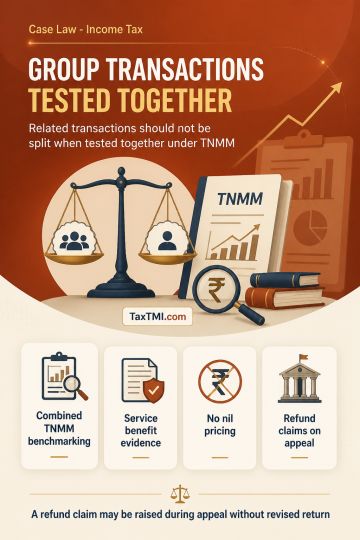
Aggregation under TNMM prevents selective testing of intra-group services without comparable uncontrolled transactions, while appellate additional cla...
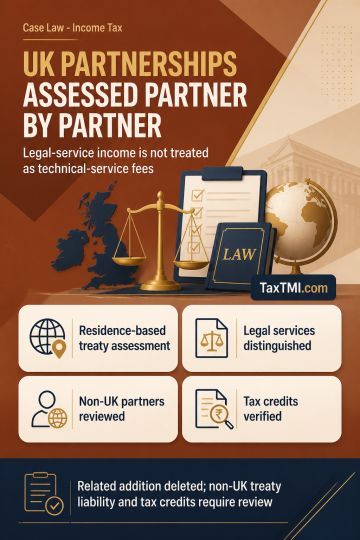
Protective assessment cannot duplicate identical receipts under competing characterisations; remote services did not establish a taxable permanent est...
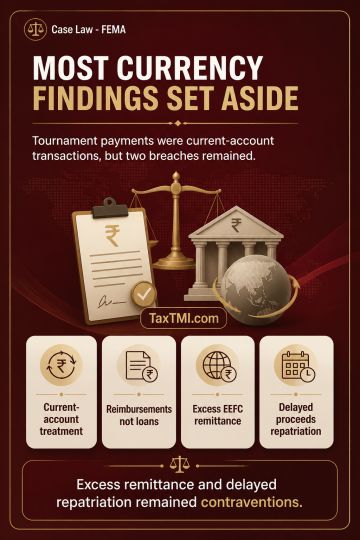
Current account treatment of overseas tournament services removed most FEMA findings, but excess EEFC remittance and delayed repatriation remained bre...
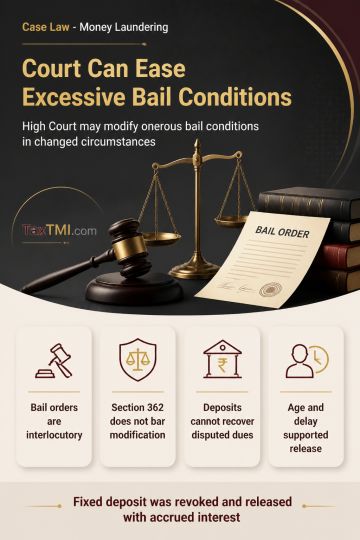
Modification of bail conditions remains available through inherent jurisdiction where onerous deposits undermine justice and cannot recover disputed d...
Merchant banker regulation consolidates registration, governance, capital, reporting, outsourcing and investor-protection requirements under an update...
The Supreme Court examined the validity of a guideline issued by the Institute of Chartered Accountants of India (ICAI) imposing a numerical restriction on the maximum number of tax audits a Chartered Accountant can accept u/s 44AB of the IT Act, 1961. The Court held that the Council of ICAI, under the 1949 Act, had the legal competence to impose such guidelines to regulate the profession of Chartered Accountants. The restriction was deemed reasonable and in the public interest to maintain the quality of tax audits. The Court quashed disciplinary proceedings against Chartered Accountants for breaching the guideline, citing uncertainty in the law due to the quashing of the earlier guideline. The Court reserved liberty for ICAI to enhance the specified number of tax audits in the future. The guideline was deemed not to be given effect until 01.04.2024. The Court disposed of the writ petitions accordingly, with liberty for representations to be made regarding any future amendments to the
The Supreme Court examined the validity of a guideline issued by the Institute of Chartered Accountants of India (ICAI) imposing a numerical restriction on the maximum number of tax audits a Chartered Accountant can accept u/s 44AB of the IT Act, 1961. The Court held that the Council of ICAI, under the 1949 Act, had the legal competence to impose such guidelines to regulate the profession of Chartered Accountants. The restriction was deemed reasonable and in the public interest to maintain the quality of tax audits. The Court quashed disciplinary proceedings against Chartered Accountants for breaching the guideline, citing uncertainty in the law due to the quashing of the earlier guideline. The Court reserved liberty for ICAI to enhance the specified number of tax audits in the future. The guideline was deemed not to be given effect until 01.04.2024. The Court disposed of the writ petitions accordingly, with liberty for representations to be made regarding any future amendments to the
Note: It is a system-generated summary and is for quick reference only.
 TaxTMI
 of 4786









 Join Channel


 TaxTMI