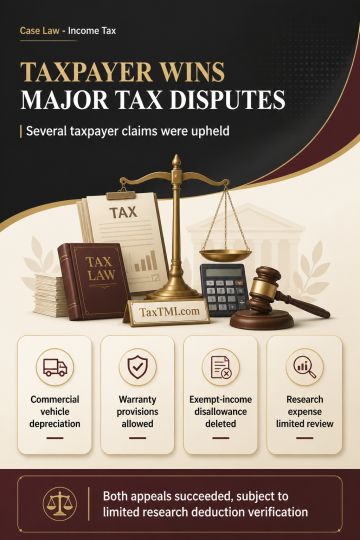
Commercial vehicle depreciation, scientifically determined warranty provisions and exempt-income disallowances were resolved in favour of the taxpayer...
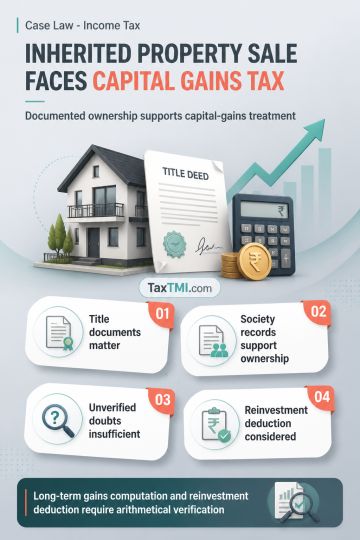
Inherited property sale proceeds require capital-gains treatment where ownership is supported by evidence, not suspicion or unverified signature doubt...
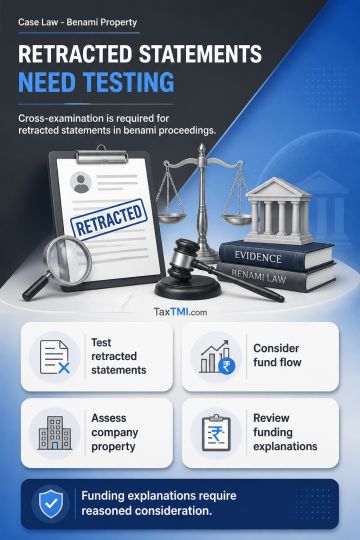
Cross-examination of retracted statements is essential where foundational evidence supports a benami allegation and documented funding explanations re...
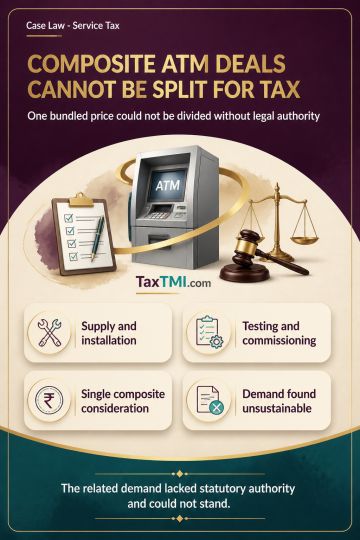
Capital-goods exemption covers plant-modernisation accessories, while the import restriction applies only to earlier capital-goods components and spar...
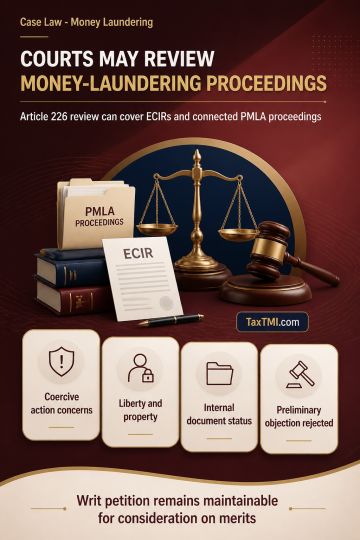
Constitutional judicial review permits challenges to ECIRs and connected money-laundering proceedings where coercive action affects fundamental intere...
The ITAT Hyderabad held that the addition of bogus purchases based on information from the Investigation Wing was not justified. The burden of proof shifted to the AO once the assessee provided documents and payments for the purchases. The AO should have examined the entities involved and provided evidence if the invoices were not genuine. The Revenue failed to present positive evidence against the genuineness of the purchases. The Tribunal emphasized that accepted sales and taxes paid by the assessee made it difficult to argue against the genuineness of purchases. The Tribunal rejected the Revenue's argument and cited legal precedents supporting the assessee's case. The right to cross-examine is a fundamental aspect of natural justice, and failure to provide this opportunity violates principles of fair play. The Tribunal allowed the appeal of the assessee based on these considerations.
The ITAT Hyderabad held that the addition of bogus purchases based on information from the Investigation Wing was not justified. The burden of proof shifted to the AO once the assessee provided documents and payments for the purchases. The AO should have examined the entities involved and provided evidence if the invoices were not genuine. The Revenue failed to present positive evidence against the genuineness of the purchases. The Tribunal emphasized that accepted sales and taxes paid by the assessee made it difficult to argue against the genuineness of purchases. The Tribunal rejected the Revenue's argument and cited legal precedents supporting the assessee's case. The right to cross-examine is a fundamental aspect of natural justice, and failure to provide this opportunity violates principles of fair play. The Tribunal allowed the appeal of the assessee based on these considerations.
Note: It is a system-generated summary and is for quick reference only.
 TaxTMI
 of 4782








 Join Channel


 TaxTMI
