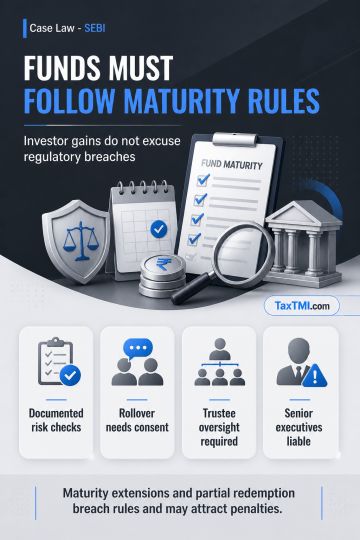
Mutual fund maturity rules require proper rollover, redemption, disclosure, and due diligence; investor gains cannot excuse regulatory breaches or pen...
Threshold exemption excludes exempt services, while stamp-paper purchases avoid reverse charge; consequential service tax penalties were also set asid...
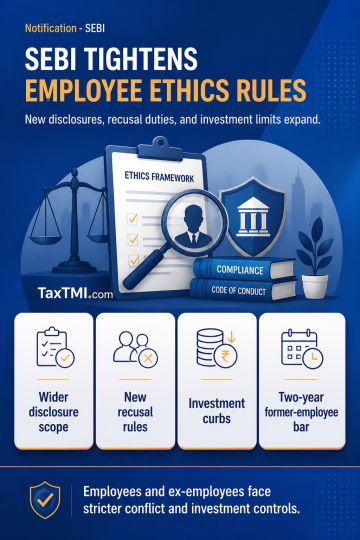
Employee conflict disclosures and investment restrictions expand with new recusal duties, post-employment limits, and compliance reporting requirement...
The case before CESTAT Chennai involved the recovery of short-paid excise duty, interest, and penalty, focusing on the admissibility of electronic evidence obtained during previous proceedings for a different company. The key issues included compliance with Section 36B of the Central Excise Act, 1944, quantification of demand based on cash to invoice value, and alleged suppression of facts. The tribunal found that the electronic evidence did not comply with Section 36B, rendering it inadmissible. Additionally, the method of quantifying duty based on dealer prices from different regions was deemed inappropriate. Ultimately, the demand for duty, interest, and penalties was not sustained, and the appeal was allowed.
The case before CESTAT Chennai involved the recovery of short-paid excise duty, interest, and penalty, focusing on the admissibility of electronic evidence obtained during previous proceedings for a different company. The key issues included compliance with Section 36B of the Central Excise Act, 1944, quantification of demand based on cash to invoice value, and alleged suppression of facts. The tribunal found that the electronic evidence did not comply with Section 36B, rendering it inadmissible. Additionally, the method of quantifying duty based on dealer prices from different regions was deemed inappropriate. Ultimately, the demand for duty, interest, and penalties was not sustained, and the appeal was allowed.
Note: It is a system-generated summary and is for quick reference only.
 TaxTMI
 of 4800










 Join Channel


 TaxTMI
