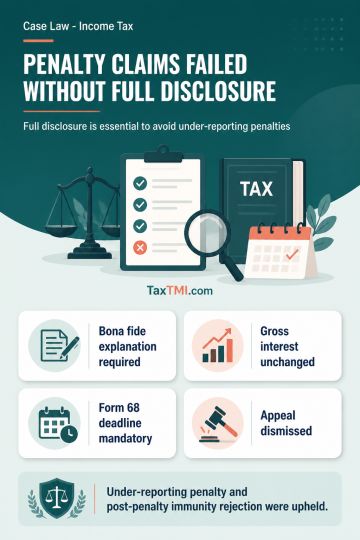
Bona fide disclosure requirements govern under-reporting penalties, and post-penalty immunity applications cannot secure available statutory protectio...
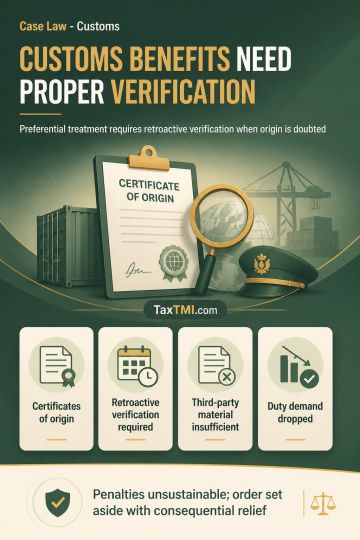
Certificate-of-origin verification procedure governs preferential customs benefits; denial without retroactive verification was set aside with consequ...
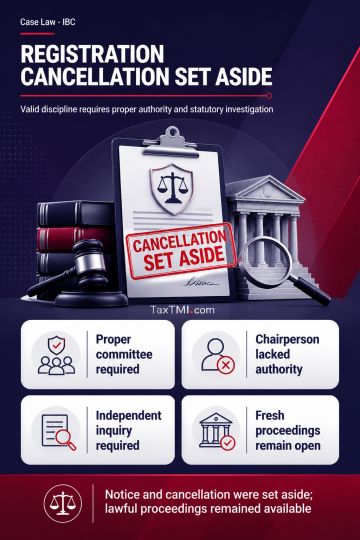
Disciplinary Committee jurisdiction and mandatory investigation requirements invalidated cancellation of an insolvency professional's registration and...
The case before CESTAT Chennai involved the recovery of short-paid excise duty, interest, and penalty, focusing on the admissibility of electronic evidence obtained during previous proceedings for a different company. The key issues included compliance with Section 36B of the Central Excise Act, 1944, quantification of demand based on cash to invoice value, and alleged suppression of facts. The tribunal found that the electronic evidence did not comply with Section 36B, rendering it inadmissible. Additionally, the method of quantifying duty based on dealer prices from different regions was deemed inappropriate. Ultimately, the demand for duty, interest, and penalties was not sustained, and the appeal was allowed.
The case before CESTAT Chennai involved the recovery of short-paid excise duty, interest, and penalty, focusing on the admissibility of electronic evidence obtained during previous proceedings for a different company. The key issues included compliance with Section 36B of the Central Excise Act, 1944, quantification of demand based on cash to invoice value, and alleged suppression of facts. The tribunal found that the electronic evidence did not comply with Section 36B, rendering it inadmissible. Additionally, the method of quantifying duty based on dealer prices from different regions was deemed inappropriate. Ultimately, the demand for duty, interest, and penalties was not sustained, and the appeal was allowed.
Note: It is a system-generated summary and is for quick reference only.
 TaxTMI
 of 4800








 Join Channel


 TaxTMI
