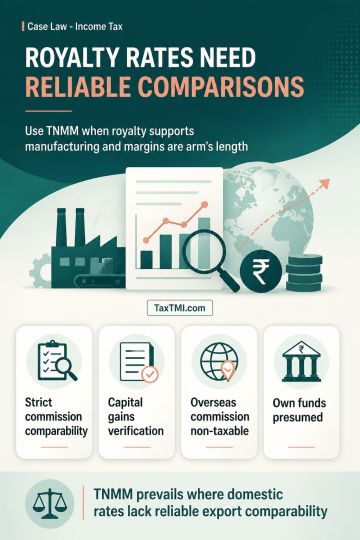
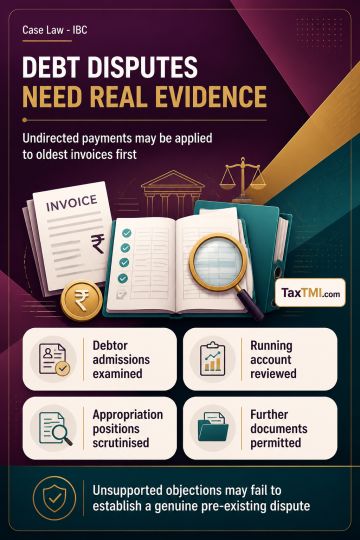
Pre-existing operational debt disputes require genuine evidence, while undirected running-account payments may be appropriated on a first-in-first-out...
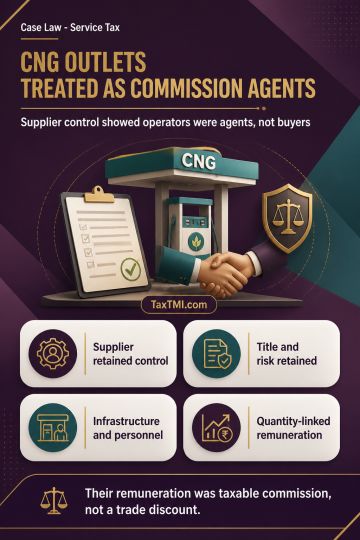
Agency in CNG distribution makes outlet operators commission agents, rendering taxable Business Auxiliary Service rather than purchasing goods for res...
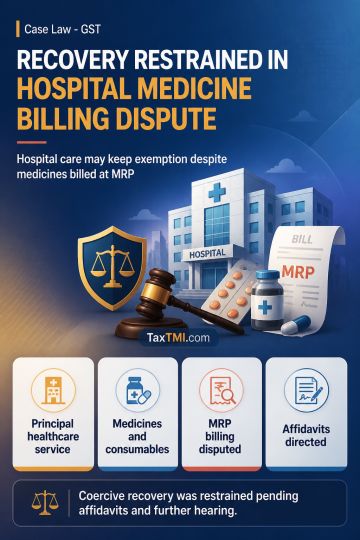
Composite inpatient healthcare supply may retain exemption despite MRP medicine billing, while separate taxable sale characterisation remains disputed...
The case before CESTAT Chennai involved the recovery of short-paid excise duty, interest, and penalty, focusing on the admissibility of electronic evidence obtained during previous proceedings for a different company. The key issues included compliance with Section 36B of the Central Excise Act, 1944, quantification of demand based on cash to invoice value, and alleged suppression of facts. The tribunal found that the electronic evidence did not comply with Section 36B, rendering it inadmissible. Additionally, the method of quantifying duty based on dealer prices from different regions was deemed inappropriate. Ultimately, the demand for duty, interest, and penalties was not sustained, and the appeal was allowed.
The case before CESTAT Chennai involved the recovery of short-paid excise duty, interest, and penalty, focusing on the admissibility of electronic evidence obtained during previous proceedings for a different company. The key issues included compliance with Section 36B of the Central Excise Act, 1944, quantification of demand based on cash to invoice value, and alleged suppression of facts. The tribunal found that the electronic evidence did not comply with Section 36B, rendering it inadmissible. Additionally, the method of quantifying duty based on dealer prices from different regions was deemed inappropriate. Ultimately, the demand for duty, interest, and penalties was not sustained, and the appeal was allowed.
Note: It is a system-generated summary and is for quick reference only.
 TaxTMI
 of 4796






 Join Channel


 TaxTMI