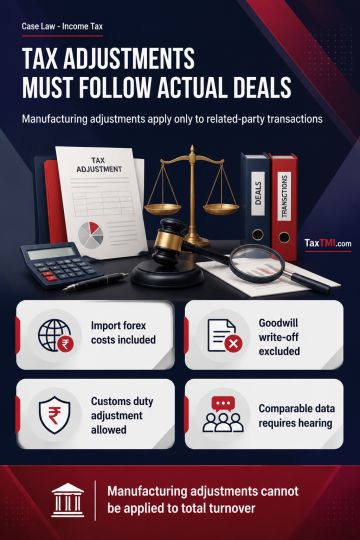
International transaction benchmarking restricts transfer pricing adjustments to associated-enterprise dealings, while functional comparability govern...
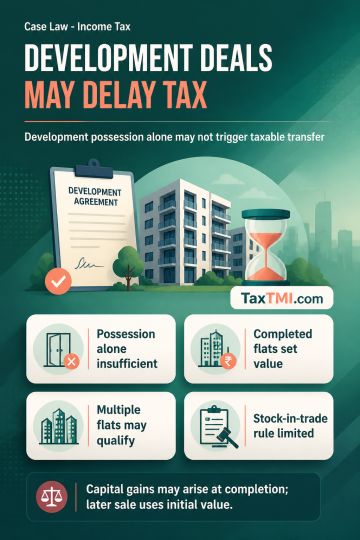
Joint development agreements defer taxable transfer where possession lacks part performance, while completed flats determine consideration and exempti...
Passenger baggage re-export requires true declaration and cannot be granted indirectly through discretionary redemption of undeclared prohibited goods...
In the case of 2024 (5) TMI 1099 before ITAT Mumbai, the issue was the validity of a reassessment order. The CIT (A) passed an order that contained different grounds than those raised by the assessee, indicating a lack of independent application of mind. The assessment order referred to in the caption did not match the one in the body of the order. The facts in the assessment order differed from those mentioned by the CIT (A). The grounds of appeal were also different between what the assessee submitted and what the CIT (A) included in the order. The ITAT found the CIT (A) had engaged in a 'cut & paste' exercise without proper consideration, leading to an unsustainable and perverse order. Consequently, the ITAT allowed all grounds of appeal, directing the CIT (A) to reconsider the case based on the actual facts and provide the assessee with a fair hearing. The appeal of the AO was allowed.
In the case of 2024 (5) TMI 1099 before ITAT Mumbai, the issue was the validity of a reassessment order. The CIT (A) passed an order that contained different grounds than those raised by the assessee, indicating a lack of independent application of mind. The assessment order referred to in the caption did not match the one in the body of the order. The facts in the assessment order differed from those mentioned by the CIT (A). The grounds of appeal were also different between what the assessee submitted and what the CIT (A) included in the order. The ITAT found the CIT (A) had engaged in a 'cut & paste' exercise without proper consideration, leading to an unsustainable and perverse order. Consequently, the ITAT allowed all grounds of appeal, directing the CIT (A) to reconsider the case based on the actual facts and provide the assessee with a fair hearing. The appeal of the AO was allowed.
Note: It is a system-generated summary and is for quick reference only.
 TaxTMI
 of 4782












 Join Channel


 TaxTMI
