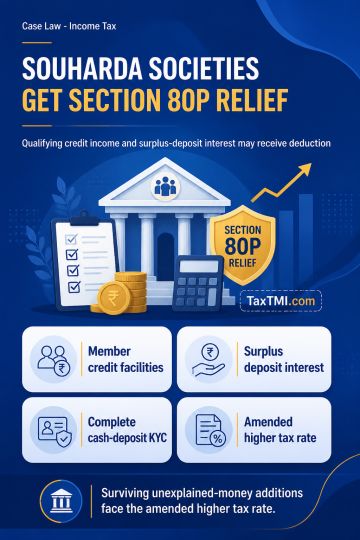
Section 80P deduction covers Souharda credit societies, including qualifying surplus-deposit interest, subject to member KYC verification for cash dep...
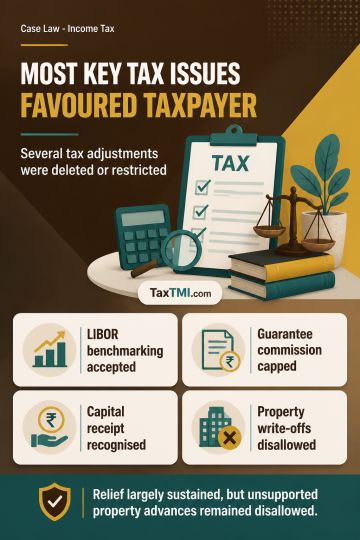
Transfer-pricing benchmarking and capital-receipt principles sustained taxpayer relief, while unsupported property-advance write-offs remained disallo...
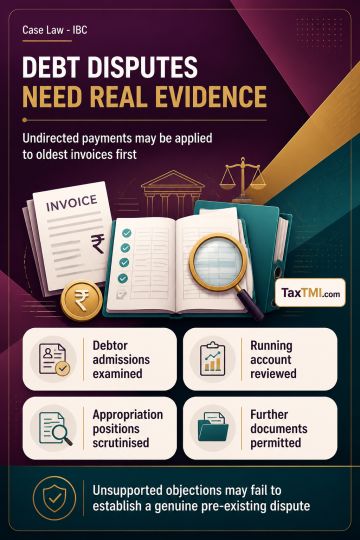
Pre-existing operational debt disputes require genuine evidence, while undirected running-account payments may be appropriated on a first-in-first-out...
Agency in CNG distribution makes outlet operators commission agents, rendering taxable Business Auxiliary Service rather than purchasing goods for res...
In the case of 2024 (5) TMI 1099 before ITAT Mumbai, the issue was the validity of a reassessment order. The CIT (A) passed an order that contained different grounds than those raised by the assessee, indicating a lack of independent application of mind. The assessment order referred to in the caption did not match the one in the body of the order. The facts in the assessment order differed from those mentioned by the CIT (A). The grounds of appeal were also different between what the assessee submitted and what the CIT (A) included in the order. The ITAT found the CIT (A) had engaged in a 'cut & paste' exercise without proper consideration, leading to an unsustainable and perverse order. Consequently, the ITAT allowed all grounds of appeal, directing the CIT (A) to reconsider the case based on the actual facts and provide the assessee with a fair hearing. The appeal of the AO was allowed.
In the case of 2024 (5) TMI 1099 before ITAT Mumbai, the issue was the validity of a reassessment order. The CIT (A) passed an order that contained different grounds than those raised by the assessee, indicating a lack of independent application of mind. The assessment order referred to in the caption did not match the one in the body of the order. The facts in the assessment order differed from those mentioned by the CIT (A). The grounds of appeal were also different between what the assessee submitted and what the CIT (A) included in the order. The ITAT found the CIT (A) had engaged in a 'cut & paste' exercise without proper consideration, leading to an unsustainable and perverse order. Consequently, the ITAT allowed all grounds of appeal, directing the CIT (A) to reconsider the case based on the actual facts and provide the assessee with a fair hearing. The appeal of the AO was allowed.
Note: It is a system-generated summary and is for quick reference only.
 TaxTMI
 of 4792








 Join Channel


 TaxTMI
