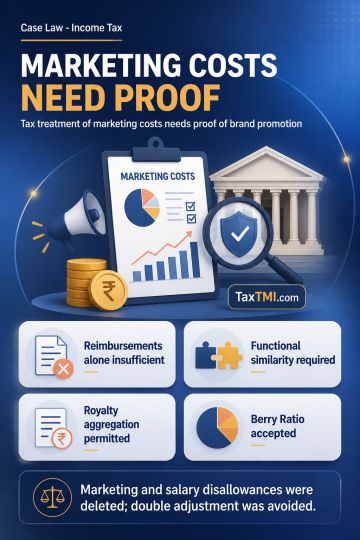
Transfer pricing requires evidence for AMP transactions, functionally reliable comparables, and appropriate aggregation or Berry Ratio benchmarking me...
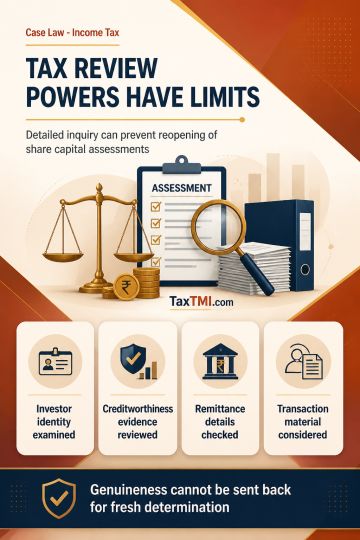
Revisionary jurisdiction cannot reopen share capital assessments where adequate inquiry supports a permissible view and no independent error is establ...
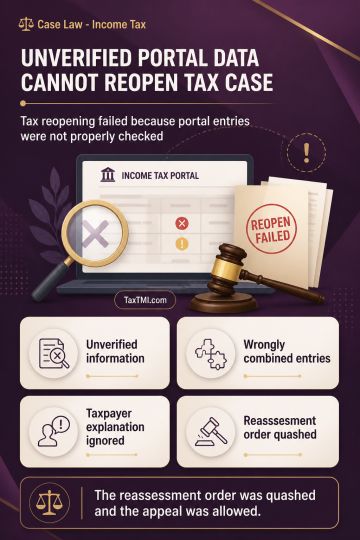
Reassessment jurisdiction fails where unverified portal information is aggregated without examining the taxpayer's explanation or relevance of entries...
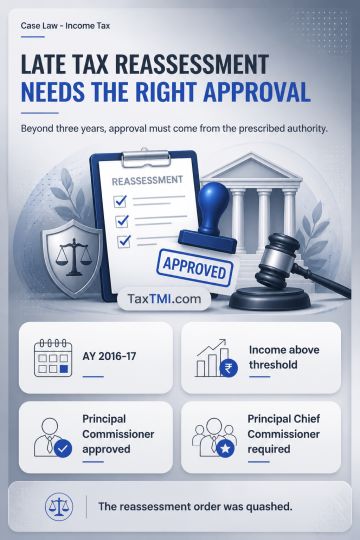
Statutory sanction for delayed reassessment requires approval from the prescribed authority; approval by an inferior authority invalidates jurisdictio...
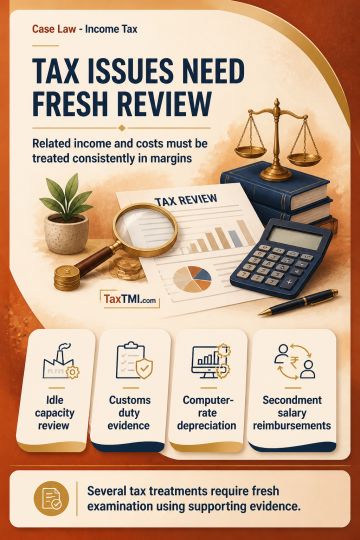
Transfer pricing margin adjustments require matching treatment of non-operating income and related costs, with comparability issues reconsidered on ev...
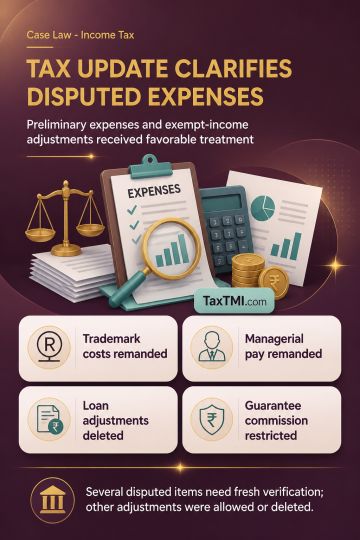
Preliminary-expense amortisation and MAT exempt-income adjustments prevailed, while trademark costs and managerial remuneration require fresh verifica...
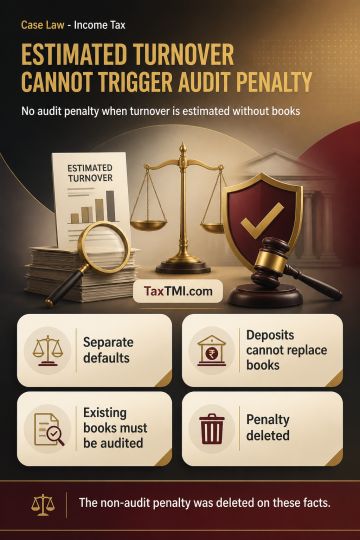
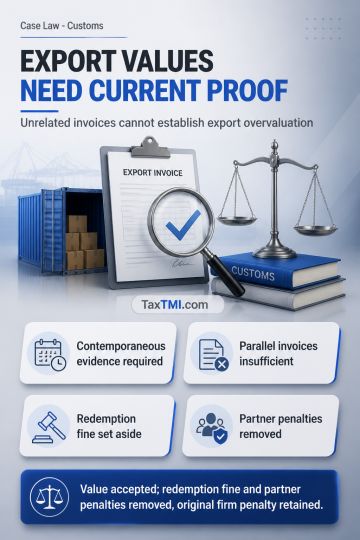
Export valuation requires contemporaneous evidence; unrelated invoices cannot prove overvaluation, and dual penalties on firm and partner are impermis...
The Government of India, through a public notice, has outlined regulations for the export of Silk Waste falling under ITC (HS) code 5003. Export clearance now requires an inspection report from Authorized Officers of the Central Silk Board (CSB) or a test report from Textile Testing Labs under CSB. The CSB has designated specific officers for inspection and certification of silk goods for export. Exporters are responsible for any testing/inspection charges. All silk waste export consignments must undergo 100% examination in the presence of a CSB authorized officer, with the inspection report shared with the docks admin section for clearance. Until CSB is registered as a PGA in ICEGATE/ICES, export clearance will be based on the test report/inspection certificate from the CSB authorized officer. Stakeholders are advised to comply with these requirements, and any implementation issues should be reported to the Commissioner of Customs in Chennai.
The Government of India, through a public notice, has outlined regulations for the export of Silk Waste falling under ITC (HS) code 5003. Export clearance now requires an inspection report from Authorized Officers of the Central Silk Board (CSB) or a test report from Textile Testing Labs under CSB. The CSB has designated specific officers for inspection and certification of silk goods for export. Exporters are responsible for any testing/inspection charges. All silk waste export consignments must undergo 100% examination in the presence of a CSB authorized officer, with the inspection report shared with the docks admin section for clearance. Until CSB is registered as a PGA in ICEGATE/ICES, export clearance will be based on the test report/inspection certificate from the CSB authorized officer. Stakeholders are advised to comply with these requirements, and any implementation issues should be reported to the Commissioner of Customs in Chennai.
Note: It is a system-generated summary and is for quick reference only.
 TaxTMI
 of 4801



 Join Channel


 TaxTMI
