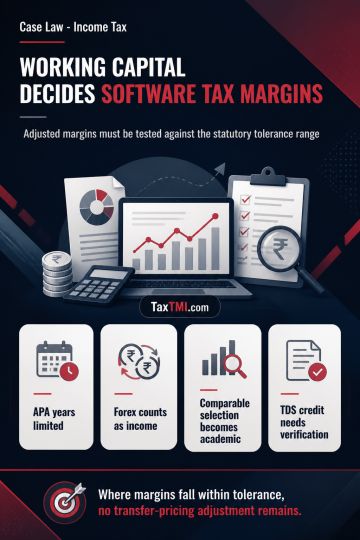
Working-capital adjustment determines whether software-services transfer-pricing margins fall within the statutory tolerance range, eliminating any ad...
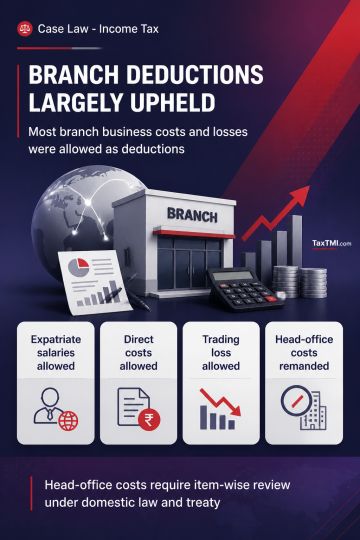
Permanent establishment deductions upheld for expatriate salaries, direct costs and trading losses, while head-office costs require fresh classificati...
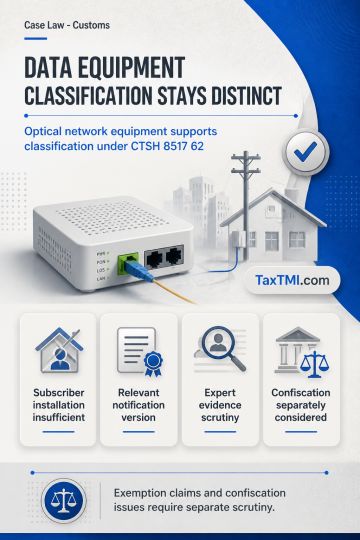
Data transmission equipment classification under CTSH 8517 62 remains distinct from residual classification, with exemption evidence requiring scrutin...
The Instruction No. 10/2024-Customs issued by the Government of India clarifies the acceptance of Electronic Certificates of Origin (e-CoO) from Korea under the India-Korea Comprehensive Economic Partnership Agreement. The e-CoOs must adhere to specified requirements, including being issued in the prescribed format with a QR code. They are considered equivalent to manually issued certificates. Importers must upload e-CoOs on e-Sanchit for preferential benefits. A system in ICES verifies e-CoO details electronically, eliminating the need for physical defacement. Customs formations are instructed to implement this procedure. Advisory No. 31/2023 provides additional procedural guidance.
The Instruction No. 10/2024-Customs issued by the Government of India clarifies the acceptance of Electronic Certificates of Origin (e-CoO) from Korea under the India-Korea Comprehensive Economic Partnership Agreement. The e-CoOs must adhere to specified requirements, including being issued in the prescribed format with a QR code. They are considered equivalent to manually issued certificates. Importers must upload e-CoOs on e-Sanchit for preferential benefits. A system in ICES verifies e-CoO details electronically, eliminating the need for physical defacement. Customs formations are instructed to implement this procedure. Advisory No. 31/2023 provides additional procedural guidance.
Note: It is a system-generated summary and is for quick reference only.
 TaxTMI
 of 4805






 Join Channel


 TaxTMI