Arrest safeguards require disclosed grounds, relative intimation and transit remand, while duplicate prosecution under the CGST framework is unsustain...
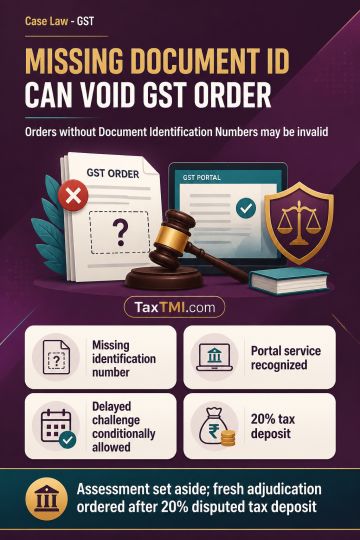
Document Identification Number defects can invalidate GST assessments, with delayed challenges entertained conditionally where patent irregularities e...
Windmill commissioning evidence supported higher depreciation where grid connection and electricity generation proved operational use before the relev...
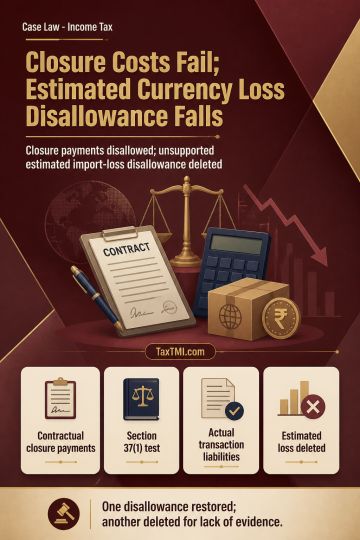
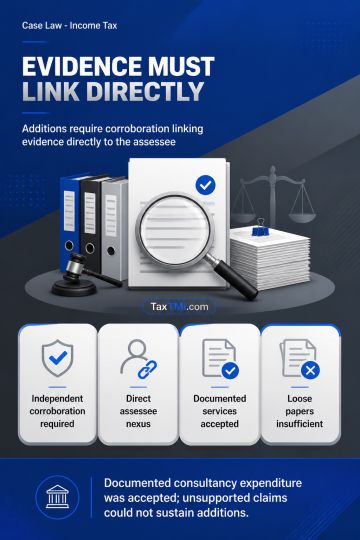
Pharmaceutical promotion and transfer-pricing comparability principles limited disallowances, while uncorroborated search allegations and unsupported ...
Business expenditure substantiation supports scrap credits, statutory payments and expense claims, while depreciation requires proof of actual busines...
The Instruction No. 10/2024-Customs issued by the Government of India clarifies the acceptance of Electronic Certificates of Origin (e-CoO) from Korea under the India-Korea Comprehensive Economic Partnership Agreement. The e-CoOs must adhere to specified requirements, including being issued in the prescribed format with a QR code. They are considered equivalent to manually issued certificates. Importers must upload e-CoOs on e-Sanchit for preferential benefits. A system in ICES verifies e-CoO details electronically, eliminating the need for physical defacement. Customs formations are instructed to implement this procedure. Advisory No. 31/2023 provides additional procedural guidance.
The Instruction No. 10/2024-Customs issued by the Government of India clarifies the acceptance of Electronic Certificates of Origin (e-CoO) from Korea under the India-Korea Comprehensive Economic Partnership Agreement. The e-CoOs must adhere to specified requirements, including being issued in the prescribed format with a QR code. They are considered equivalent to manually issued certificates. Importers must upload e-CoOs on e-Sanchit for preferential benefits. A system in ICES verifies e-CoO details electronically, eliminating the need for physical defacement. Customs formations are instructed to implement this procedure. Advisory No. 31/2023 provides additional procedural guidance.
Note: It is a system-generated summary and is for quick reference only.
 TaxTMI
 of 4805
















 Join Channel


 TaxTMI