Transaction value cannot be rejected solely on non-statutory valuation guidelines without corroborative evidence supporting reassessment of final cust...
Cross-examination rights and corroborated evidence limit customs penalties for misdeclaration in genuine import transactions involving documented clea...
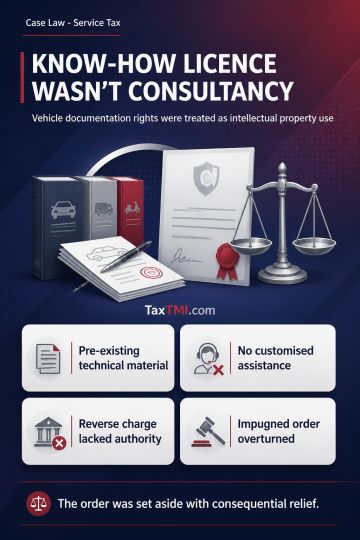
Tariff classification of vehicle gear components follows the specific gearing entry, displacing motor-vehicle parts classification and related liabili...
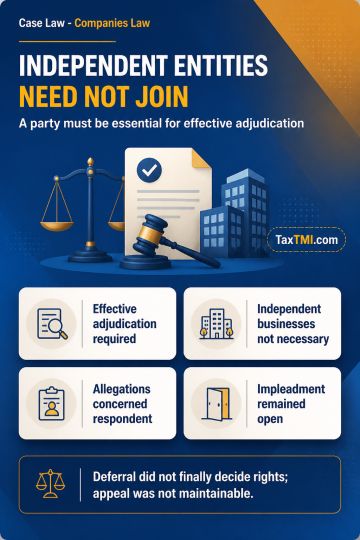
Necessary-party requirements limit impleadment of independent entities, while deferred consideration does not create an appealable adverse determinati...
Food supplement classification requires common parlance and authoritative tests, preventing treatment as proprietary Ayurvedic medicines without suppo...
The Calcutta High Court considered the maintainability of a petition challenging the cancellation of registration u/s non-filing of returns for six consecutive months. The court noted the absence of an appeal by the petitioner, allowing the revenue to argue the availability of an alternative remedy, rendering the writ petition not maintainable. Acknowledging the impact of the pandemic on business operations and return filings, the court emphasized the need for a sympathetic approach. Consequently, the court set aside the cancellation order, restoring the petitioner's registration and directing the filing of returns from a specified period. Failure to comply within three weeks would result in automatic re-cancellation. The petition was disposed of accordingly, ensuring justice while balancing the interests of the petitioner and the government.
The Calcutta High Court considered the maintainability of a petition challenging the cancellation of registration u/s non-filing of returns for six consecutive months. The court noted the absence of an appeal by the petitioner, allowing the revenue to argue the availability of an alternative remedy, rendering the writ petition not maintainable. Acknowledging the impact of the pandemic on business operations and return filings, the court emphasized the need for a sympathetic approach. Consequently, the court set aside the cancellation order, restoring the petitioner's registration and directing the filing of returns from a specified period. Failure to comply within three weeks would result in automatic re-cancellation. The petition was disposed of accordingly, ensuring justice while balancing the interests of the petitioner and the government.
Note: It is a system-generated summary and is for quick reference only.
 TaxTMI
 of 4805


















 Join Channel


 TaxTMI
