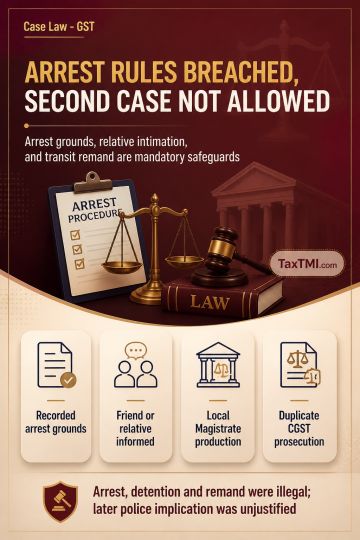
Arrest safeguards require disclosed grounds, relative intimation and transit remand, while duplicate prosecution under the CGST framework is unsustain...
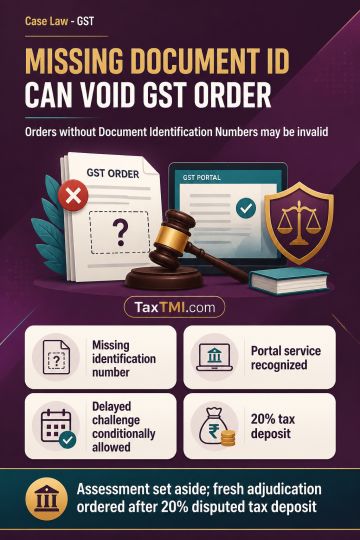
Document Identification Number defects can invalidate GST assessments, with delayed challenges entertained conditionally where patent irregularities e...
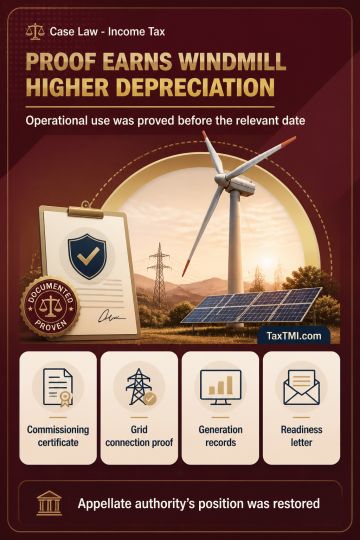
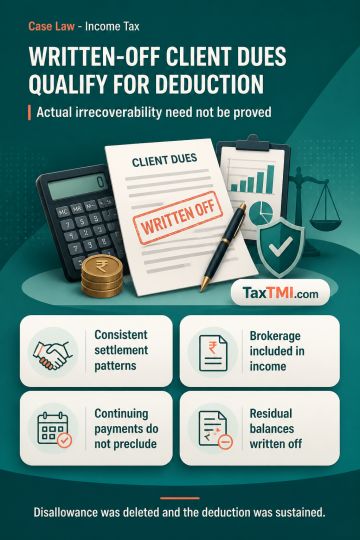
Windmill commissioning evidence supported higher depreciation where grid connection and electricity generation proved operational use before the relev...
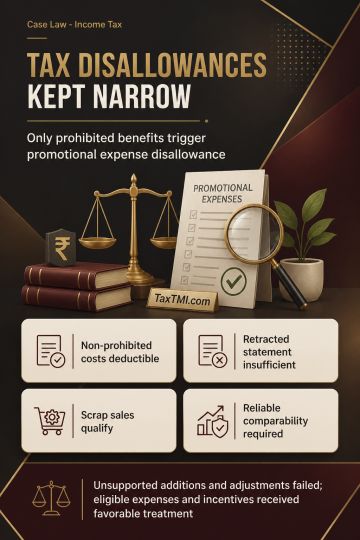
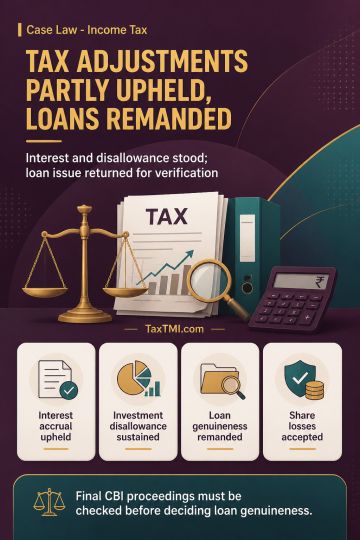
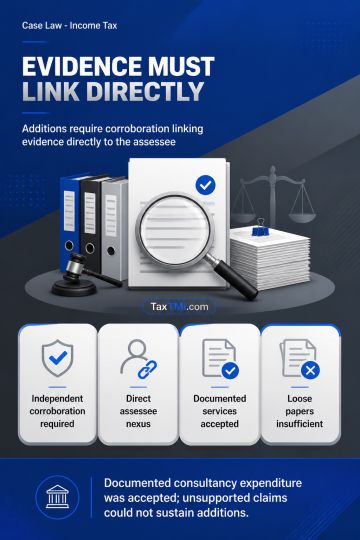
Pharmaceutical promotion and transfer-pricing comparability principles limited disallowances, while uncorroborated search allegations and unsupported ...
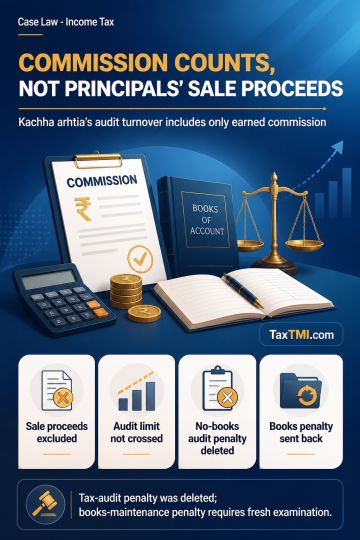
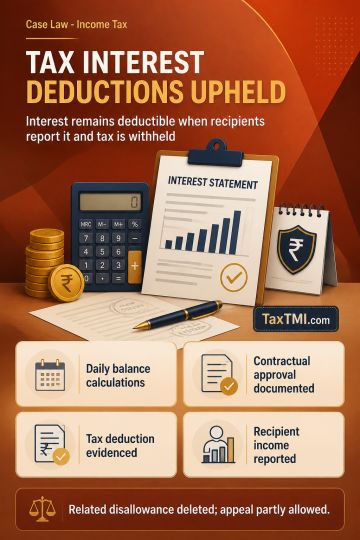
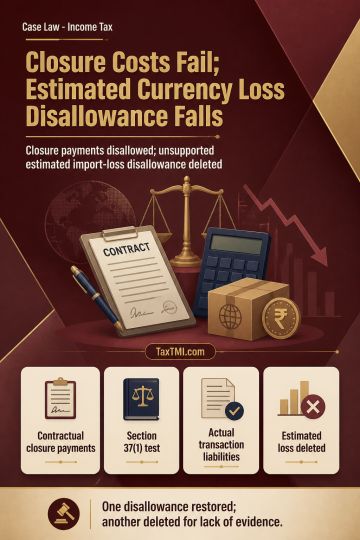
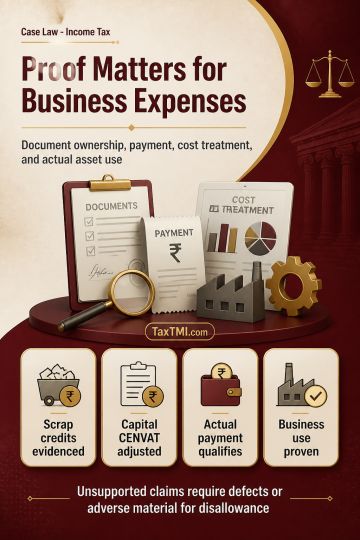
Business expenditure substantiation supports scrap credits, statutory payments and expense claims, while depreciation requires proof of actual busines...
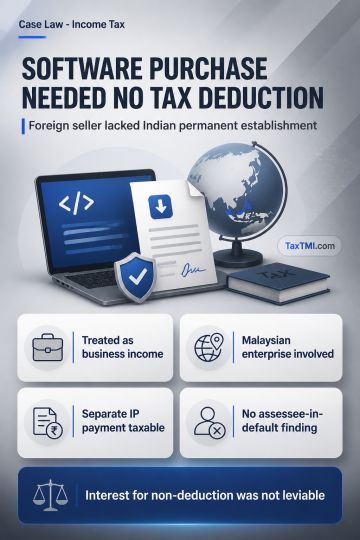
The Delhi High Court addressed a case involving TDS u/s 194H for non-deduction of TDS on transactions between the Appellant and distributors regarding the sale of SIM cards/Recharge Vouchers. The key issue was determining whether the relationship between the Appellant and distributors was that of principal and agent or principal and principal. The court referred to the Supreme Court decision in Bharti Cellular Limited, emphasizing that the term "agent" involves a specific legal relationship where one party has the power to affect the legal position of the principal through contracts or property disposition. The court held that the Appellant was not obligated to deduct tax at source on certain payments received by distributors, and Section 194-H was deemed inapplicable to the case. Consequently, the appeals by the cellular mobile service providers were allowed, overturning the judgments of the High Courts of Delhi and Calcutta. The appellant was not considered an assessee in default.
The Delhi High Court addressed a case involving TDS u/s 194H for non-deduction of TDS on transactions between the Appellant and distributors regarding the sale of SIM cards/Recharge Vouchers. The key issue was determining whether the relationship between the Appellant and distributors was that of principal and agent or principal and principal. The court referred to the Supreme Court decision in Bharti Cellular Limited, emphasizing that the term "agent" involves a specific legal relationship where one party has the power to affect the legal position of the principal through contracts or property disposition. The court held that the Appellant was not obligated to deduct tax at source on certain payments received by distributors, and Section 194-H was deemed inapplicable to the case. Consequently, the appeals by the cellular mobile service providers were allowed, overturning the judgments of the High Courts of Delhi and Calcutta. The appellant was not considered an assessee in default.
Note: It is a system-generated summary and is for quick reference only.
 TaxTMI
 of 4805





 Join Channel


 TaxTMI