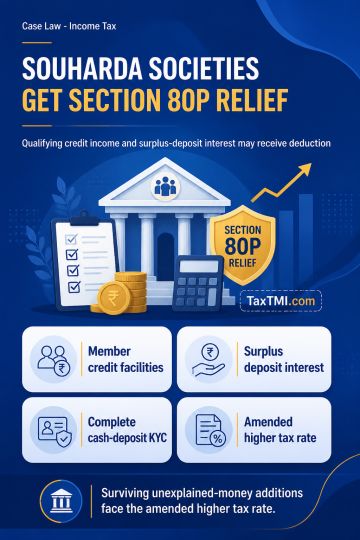
Section 80P deduction covers Souharda credit societies, including qualifying surplus-deposit interest, subject to member KYC verification for cash dep...
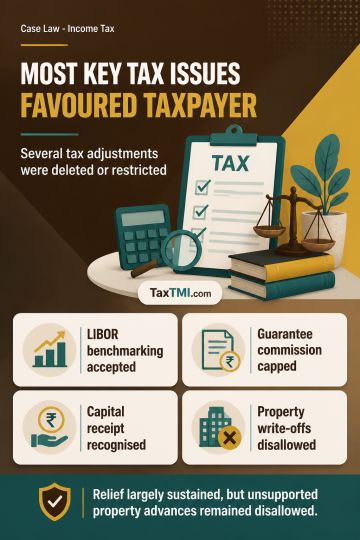
Transfer-pricing benchmarking and capital-receipt principles sustained taxpayer relief, while unsupported property-advance write-offs remained disallo...
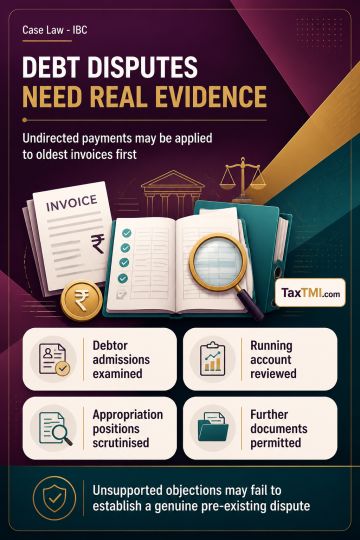
Pre-existing operational debt disputes require genuine evidence, while undirected running-account payments may be appropriated on a first-in-first-out...
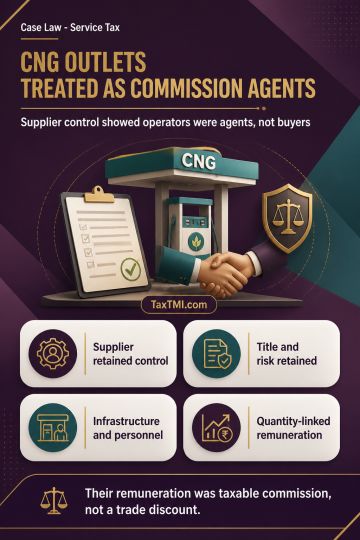
Agency in CNG distribution makes outlet operators commission agents, rendering taxable Business Auxiliary Service rather than purchasing goods for res...
The ITAT Jodhpur dealt with a case involving addition u/s 68 of the Income Tax Act concerning alleged bogus share application money. The Investigation Wing provided specific information, but the CIT(A) deleted the addition after finding the investor companies' identity, creditworthiness, and genuineness were proven by the assessee. The tribunal upheld the CIT(A)'s decision, stating the AO lacked a basis for the addition. The commission expenses for the alleged bogus share application money were deemed unnecessary due to the genuine nature of the funds. The reassessment proceedings' validity was not directly addressed by the CIT(A) but was considered decided against the assessee based on a legal precedent. The tribunal allowed the assessee to argue the reassessment issue despite not appealing the CIT(A)'s decision, in line with ITAT Rules.
The ITAT Jodhpur dealt with a case involving addition u/s 68 of the Income Tax Act concerning alleged bogus share application money. The Investigation Wing provided specific information, but the CIT(A) deleted the addition after finding the investor companies' identity, creditworthiness, and genuineness were proven by the assessee. The tribunal upheld the CIT(A)'s decision, stating the AO lacked a basis for the addition. The commission expenses for the alleged bogus share application money were deemed unnecessary due to the genuine nature of the funds. The reassessment proceedings' validity was not directly addressed by the CIT(A) but was considered decided against the assessee based on a legal precedent. The tribunal allowed the assessee to argue the reassessment issue despite not appealing the CIT(A)'s decision, in line with ITAT Rules.
Note: It is a system-generated summary and is for quick reference only.
 TaxTMI
 of 4805






 Join Channel


 TaxTMI