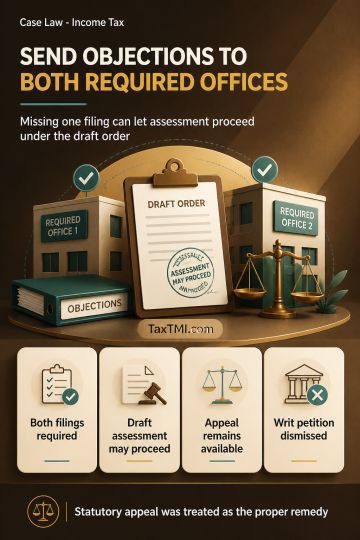
Dispute Resolution Panel objections must reach both prescribed forums; otherwise assessment may proceed and statutory appeal remains the proper remedy...
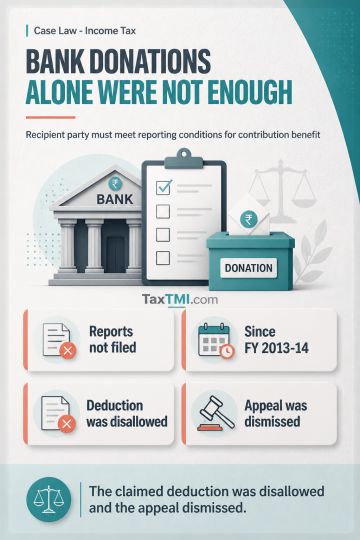
Political contribution deductions require recipient party compliance with contribution-reporting conditions; banking-channel donations alone do not qu...
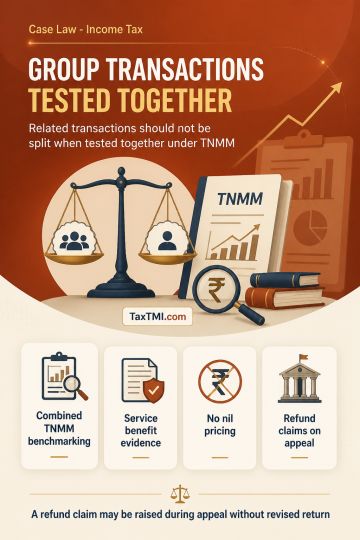
Aggregation under TNMM prevents selective testing of intra-group services without comparable uncontrolled transactions, while appellate additional cla...
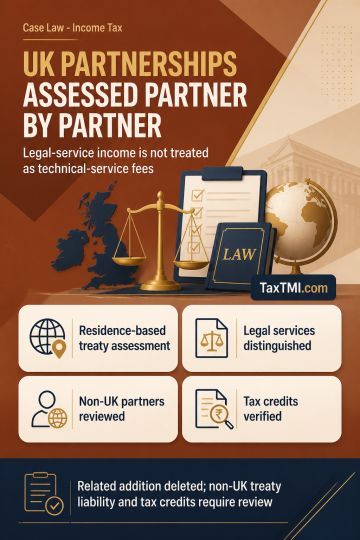
Protective assessment cannot duplicate identical receipts under competing characterisations; remote services did not establish a taxable permanent est...
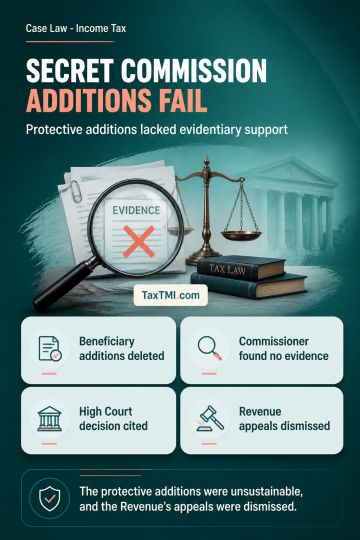
The ITAT Jodhpur dealt with a case involving addition u/s 68 of the Income Tax Act concerning alleged bogus share application money. The Investigation Wing provided specific information, but the CIT(A) deleted the addition after finding the investor companies' identity, creditworthiness, and genuineness were proven by the assessee. The tribunal upheld the CIT(A)'s decision, stating the AO lacked a basis for the addition. The commission expenses for the alleged bogus share application money were deemed unnecessary due to the genuine nature of the funds. The reassessment proceedings' validity was not directly addressed by the CIT(A) but was considered decided against the assessee based on a legal precedent. The tribunal allowed the assessee to argue the reassessment issue despite not appealing the CIT(A)'s decision, in line with ITAT Rules.
The ITAT Jodhpur dealt with a case involving addition u/s 68 of the Income Tax Act concerning alleged bogus share application money. The Investigation Wing provided specific information, but the CIT(A) deleted the addition after finding the investor companies' identity, creditworthiness, and genuineness were proven by the assessee. The tribunal upheld the CIT(A)'s decision, stating the AO lacked a basis for the addition. The commission expenses for the alleged bogus share application money were deemed unnecessary due to the genuine nature of the funds. The reassessment proceedings' validity was not directly addressed by the CIT(A) but was considered decided against the assessee based on a legal precedent. The tribunal allowed the assessee to argue the reassessment issue despite not appealing the CIT(A)'s decision, in line with ITAT Rules.
Note: It is a system-generated summary and is for quick reference only.
 TaxTMI
 of 4803






 Join Channel


 TaxTMI
