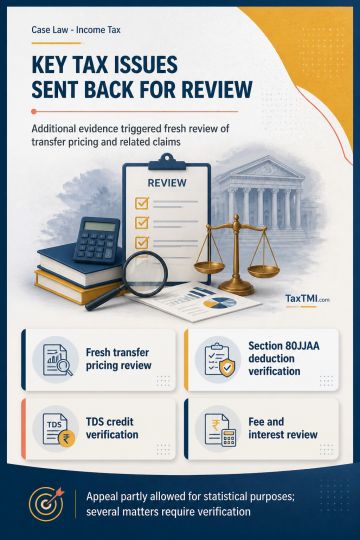
Additional evidence in transfer pricing dispute leads to fresh examination, while tax deductions, TDS credit, fee and refund interest require verifica...
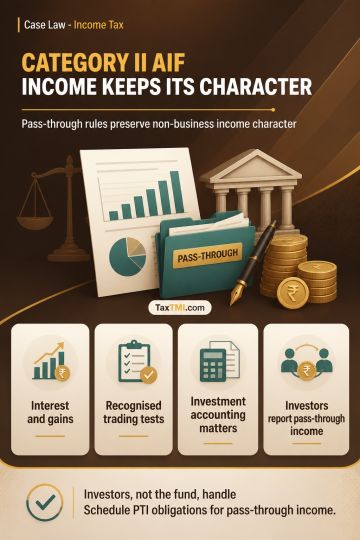
Category II AIF pass-through taxation preserves non-business income character; investment receipts cannot be reclassified without applying recognised ...
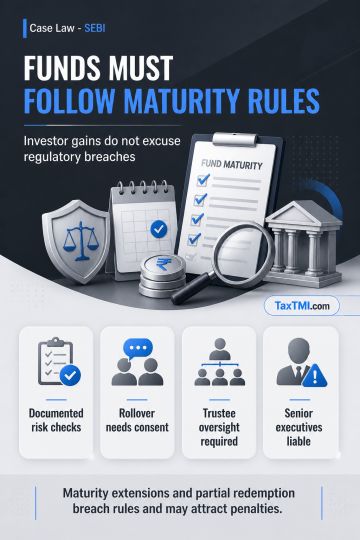
Mutual fund maturity rules require proper rollover, redemption, disclosure, and due diligence; investor gains cannot excuse regulatory breaches or pen...
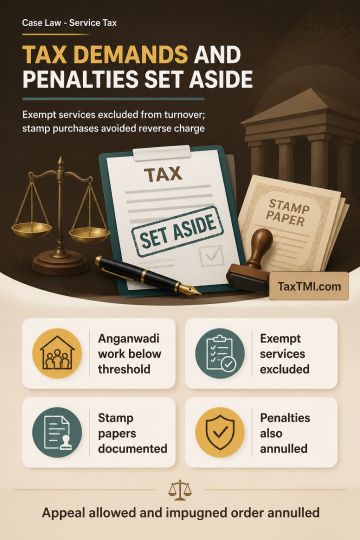
Threshold exemption excludes exempt services, while stamp-paper purchases avoid reverse charge; consequential service tax penalties were also set asid...
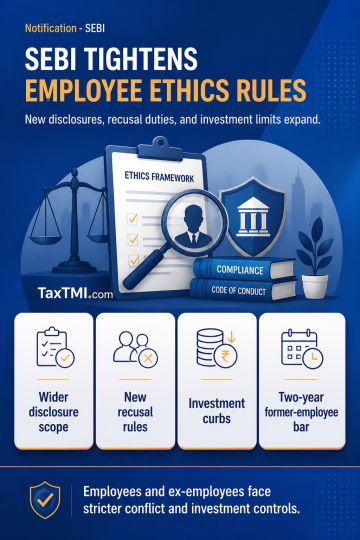
Employee conflict disclosures and investment restrictions expand with new recusal duties, post-employment limits, and compliance reporting requirement...
The High Court ruled on a case involving the levy of penalty u/s 129 of the GST Act due to an error in mentioning the vehicle number in the E-way bill during the transit of goods. The court found that the discrepancy in the vehicle registration number did not indicate any intention to evade tax, as it was a genuine sale of goods. The court held that this minor error does not warrant penalty proceedings u/s 129. The court set aside the orders of the detaining authority and the first appellate authority, as there was no evidence of tax evasion beyond the incorrect vehicle number in the E-way bill. The petition was allowed, and the orders were deemed unsustainable in the eyes of the law.
The High Court ruled on a case involving the levy of penalty u/s 129 of the GST Act due to an error in mentioning the vehicle number in the E-way bill during the transit of goods. The court found that the discrepancy in the vehicle registration number did not indicate any intention to evade tax, as it was a genuine sale of goods. The court held that this minor error does not warrant penalty proceedings u/s 129. The court set aside the orders of the detaining authority and the first appellate authority, as there was no evidence of tax evasion beyond the incorrect vehicle number in the E-way bill. The petition was allowed, and the orders were deemed unsustainable in the eyes of the law.
Note: It is a system-generated summary and is for quick reference only.
 TaxTMI
 of 4803




 Join Channel


 TaxTMI
