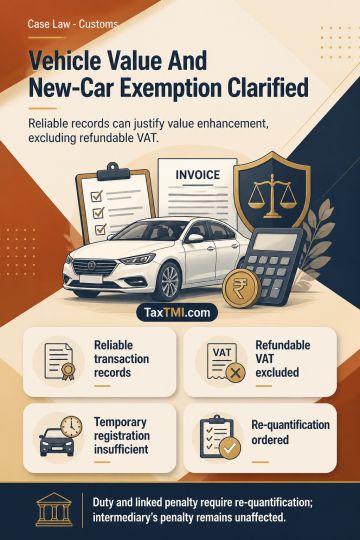
Transaction value rejection requires reliable corroboration; refundable VAT is excluded and temporary registration does not defeat new-vehicle exempti...
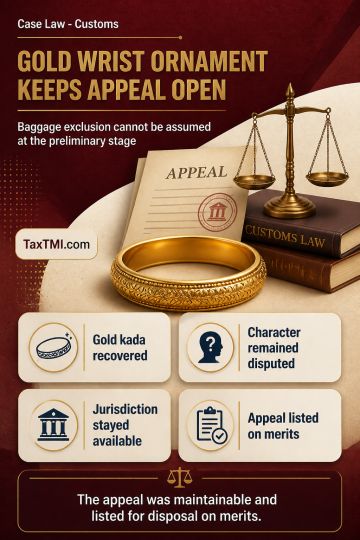
Appellate jurisdiction remains available where a wrist-worn gold ornament cannot conclusively be characterised as imported baggage at the preliminary ...
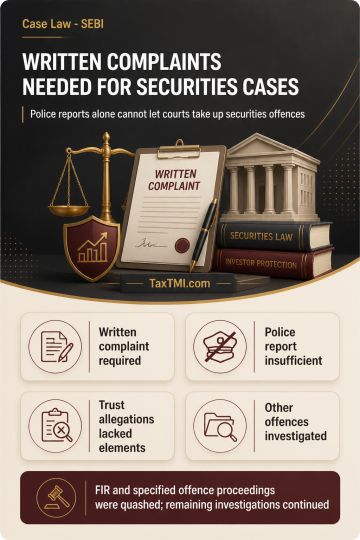
Written complaint requirement bars cognizance on police reports for securities offences, while unsupported breach of trust and cheating allegations fa...
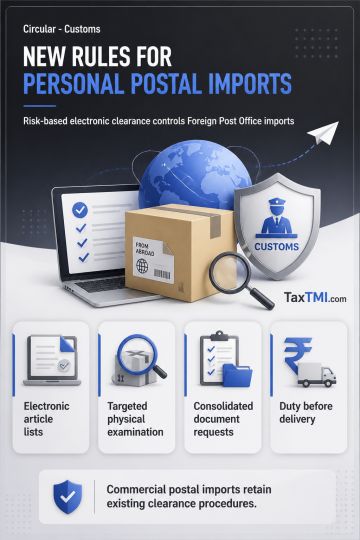
Risk-based postal import clearance standardises electronic assessment, document requests, duty realisation and delivery controls at Foreign Post Offic...
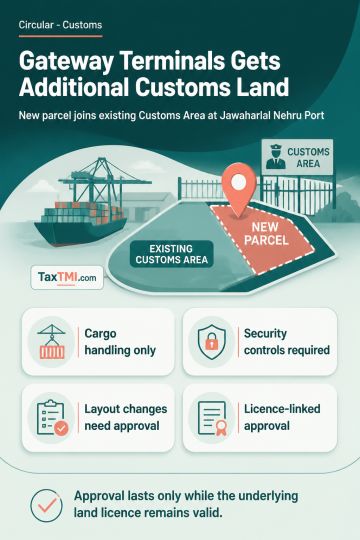
Customs Cargo Service Provider appointment extends custodianship to additional terminal land, subject to cargo-control, security and licence condition...
The High Court ruled on a case involving the levy of penalty u/s 129 of the GST Act due to an error in mentioning the vehicle number in the E-way bill during the transit of goods. The court found that the discrepancy in the vehicle registration number did not indicate any intention to evade tax, as it was a genuine sale of goods. The court held that this minor error does not warrant penalty proceedings u/s 129. The court set aside the orders of the detaining authority and the first appellate authority, as there was no evidence of tax evasion beyond the incorrect vehicle number in the E-way bill. The petition was allowed, and the orders were deemed unsustainable in the eyes of the law.
The High Court ruled on a case involving the levy of penalty u/s 129 of the GST Act due to an error in mentioning the vehicle number in the E-way bill during the transit of goods. The court found that the discrepancy in the vehicle registration number did not indicate any intention to evade tax, as it was a genuine sale of goods. The court held that this minor error does not warrant penalty proceedings u/s 129. The court set aside the orders of the detaining authority and the first appellate authority, as there was no evidence of tax evasion beyond the incorrect vehicle number in the E-way bill. The petition was allowed, and the orders were deemed unsustainable in the eyes of the law.
Note: It is a system-generated summary and is for quick reference only.
 TaxTMI
 of 4792



 Join Channel


 TaxTMI