Development agreements require legal possession or effective enjoyment for capital gains transfer; permissive possession and deferred consideration de...
Prolonged sterilisation of development rights supports capital-gains treatment, while business-income disallowances cannot govern capital-gains comput...
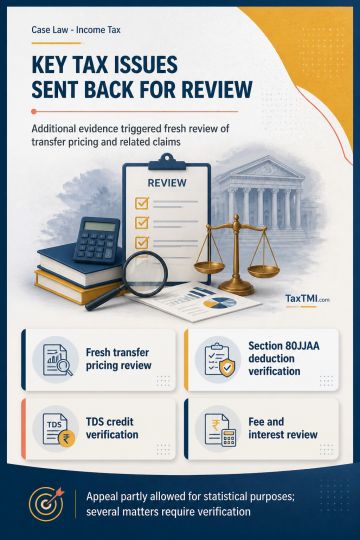
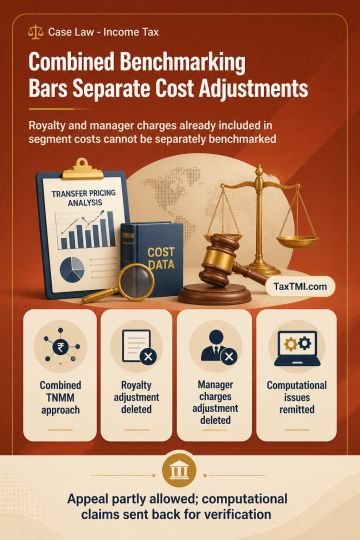
Additional evidence in transfer pricing dispute leads to fresh examination, while tax deductions, TDS credit, fee and refund interest require verifica...
Category II AIF pass-through taxation preserves non-business income character; investment receipts cannot be reclassified without applying recognised ...
The case before the Allahabad High Court involved the validity of reassessment proceedings initiated by the assessing authority based on information that the purchaser did not exist. The court held that the decision to initiate reassessment was based on relevant information and the suggestion of income escapement. The non-existence of the purchaser was supported by the purchaser's lack of response to notices and statements from a third party. The court noted that the existence of the purchaser company on the MCA portal was not a mandatory condition for reassessment. The court emphasized that the assessing officer's decision to initiate reassessment was based on the information received and the suggestion of income escapement, rather than a strict "reason to believe" requirement. The court dismissed the writ petition, allowing the assessment proceedings to continue in accordance with the law.
The case before the Allahabad High Court involved the validity of reassessment proceedings initiated by the assessing authority based on information that the purchaser did not exist. The court held that the decision to initiate reassessment was based on relevant information and the suggestion of income escapement. The non-existence of the purchaser was supported by the purchaser's lack of response to notices and statements from a third party. The court noted that the existence of the purchaser company on the MCA portal was not a mandatory condition for reassessment. The court emphasized that the assessing officer's decision to initiate reassessment was based on the information received and the suggestion of income escapement, rather than a strict "reason to believe" requirement. The court dismissed the writ petition, allowing the assessment proceedings to continue in accordance with the law.
Note: It is a system-generated summary and is for quick reference only.
 TaxTMI
 of 4805


















 Join Channel


 TaxTMI
