Composite inpatient healthcare supply may retain exemption despite MRP medicine billing, while separate taxable sale characterisation remains disputed...
Working-capital adjustment determines whether software-services transfer-pricing margins fall within the statutory tolerance range, eliminating any ad...
Permanent establishment deductions upheld for expatriate salaries, direct costs and trading losses, while head-office costs require fresh classificati...
Data transmission equipment classification under CTSH 8517 62 remains distinct from residual classification, with exemption evidence requiring scrutin...
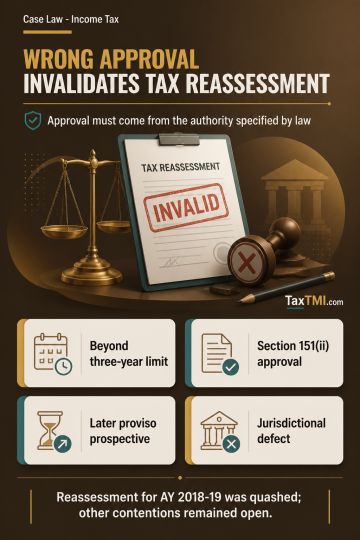
The case before the Allahabad High Court involved the validity of reassessment proceedings initiated by the assessing authority based on information that the purchaser did not exist. The court held that the decision to initiate reassessment was based on relevant information and the suggestion of income escapement. The non-existence of the purchaser was supported by the purchaser's lack of response to notices and statements from a third party. The court noted that the existence of the purchaser company on the MCA portal was not a mandatory condition for reassessment. The court emphasized that the assessing officer's decision to initiate reassessment was based on the information received and the suggestion of income escapement, rather than a strict "reason to believe" requirement. The court dismissed the writ petition, allowing the assessment proceedings to continue in accordance with the law.
The case before the Allahabad High Court involved the validity of reassessment proceedings initiated by the assessing authority based on information that the purchaser did not exist. The court held that the decision to initiate reassessment was based on relevant information and the suggestion of income escapement. The non-existence of the purchaser was supported by the purchaser's lack of response to notices and statements from a third party. The court noted that the existence of the purchaser company on the MCA portal was not a mandatory condition for reassessment. The court emphasized that the assessing officer's decision to initiate reassessment was based on the information received and the suggestion of income escapement, rather than a strict "reason to believe" requirement. The court dismissed the writ petition, allowing the assessment proceedings to continue in accordance with the law.
Note: It is a system-generated summary and is for quick reference only.
 TaxTMI
 of 4803


















 Join Channel


 TaxTMI
