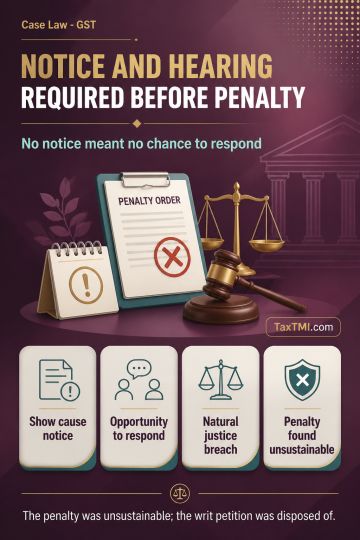
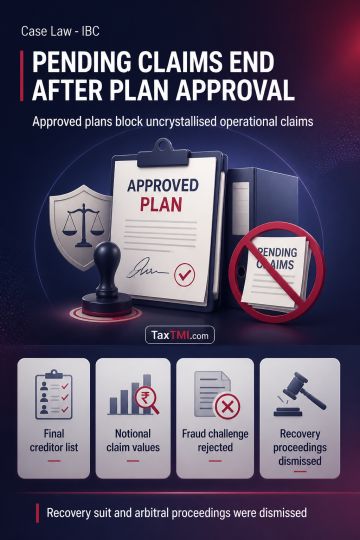
Clean slate principle extinguishes uncrystallised operational claims and bars continuation of pending recovery and arbitral proceedings after plan app...
Works contract classification governs composite layout-development contracts where VAT-paid goods are transferred alongside construction and infrastru...
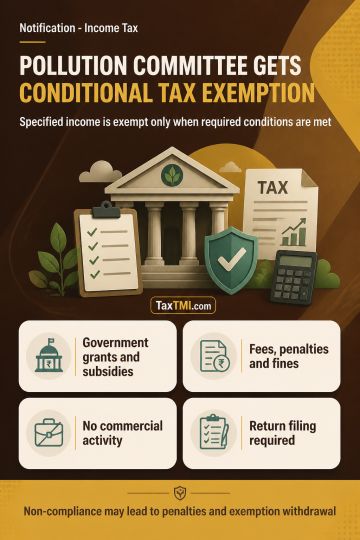
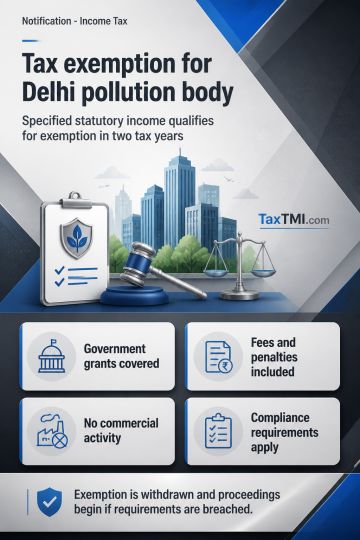
Specified income tax exemption for pollution control body remains conditional on non-commercial activity, unchanged income character, and return filin...
The NCLAT upheld the order of NCLAT dismissing an application for resolution as the Corporate Debtor's name was struck off by the RoC. The application under Section 9 was questioned whether it was for winding up or CIRP initiation. The Tribunal clarified that winding up involves company dissolution and asset liquidation for creditor payment, while CIRP aims at company revival. The Code is not a debt recovery mechanism but a revival tool. CIRP safeguards the Corporate Debtor's interests and aims at maximizing asset value. Section 252(3) provides appeal rights for challenging RoC orders. The Appellate Tribunal found no errors in the Adjudicating Authority's order and dismissed the appeal.
The NCLAT upheld the order of NCLAT dismissing an application for resolution as the Corporate Debtor's name was struck off by the RoC. The application under Section 9 was questioned whether it was for winding up or CIRP initiation. The Tribunal clarified that winding up involves company dissolution and asset liquidation for creditor payment, while CIRP aims at company revival. The Code is not a debt recovery mechanism but a revival tool. CIRP safeguards the Corporate Debtor's interests and aims at maximizing asset value. Section 252(3) provides appeal rights for challenging RoC orders. The Appellate Tribunal found no errors in the Adjudicating Authority's order and dismissed the appeal.
Note: It is a system-generated summary and is for quick reference only.
 TaxTMI
 of 4801












 Join Channel


 TaxTMI