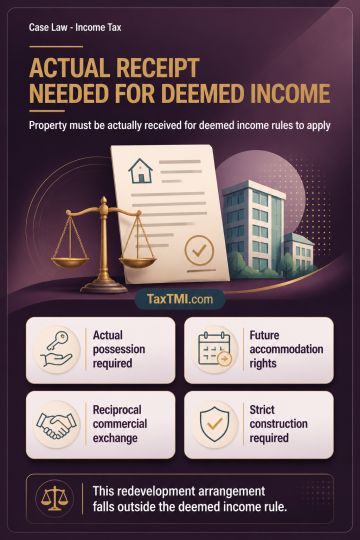
Receipt of immovable property requires actual possession or enjoyment; redevelopment allotments exchanged for tenancy rights fall outside deemed incom...
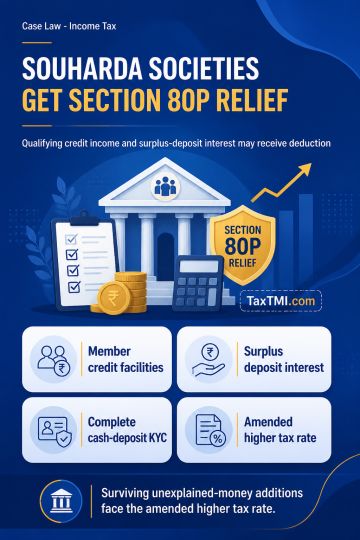
Section 80P deduction covers Souharda credit societies, including qualifying surplus-deposit interest, subject to member KYC verification for cash dep...
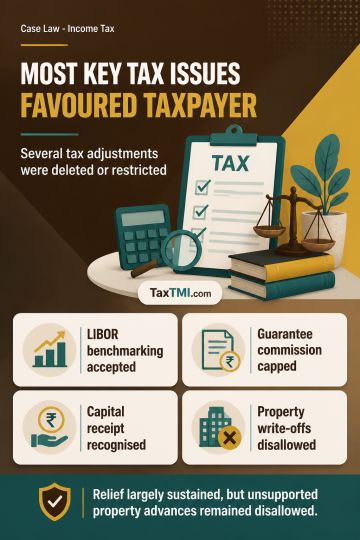
Transfer-pricing benchmarking and capital-receipt principles sustained taxpayer relief, while unsupported property-advance write-offs remained disallo...
The NCLAT upheld the order of NCLAT dismissing an application for resolution as the Corporate Debtor's name was struck off by the RoC. The application under Section 9 was questioned whether it was for winding up or CIRP initiation. The Tribunal clarified that winding up involves company dissolution and asset liquidation for creditor payment, while CIRP aims at company revival. The Code is not a debt recovery mechanism but a revival tool. CIRP safeguards the Corporate Debtor's interests and aims at maximizing asset value. Section 252(3) provides appeal rights for challenging RoC orders. The Appellate Tribunal found no errors in the Adjudicating Authority's order and dismissed the appeal.
The NCLAT upheld the order of NCLAT dismissing an application for resolution as the Corporate Debtor's name was struck off by the RoC. The application under Section 9 was questioned whether it was for winding up or CIRP initiation. The Tribunal clarified that winding up involves company dissolution and asset liquidation for creditor payment, while CIRP aims at company revival. The Code is not a debt recovery mechanism but a revival tool. CIRP safeguards the Corporate Debtor's interests and aims at maximizing asset value. Section 252(3) provides appeal rights for challenging RoC orders. The Appellate Tribunal found no errors in the Adjudicating Authority's order and dismissed the appeal.
Note: It is a system-generated summary and is for quick reference only.
 TaxTMI
 of 4800












 Join Channel


 TaxTMI
