Section 80P deduction covers Souharda credit societies, including qualifying surplus-deposit interest, subject to member KYC verification for cash dep...
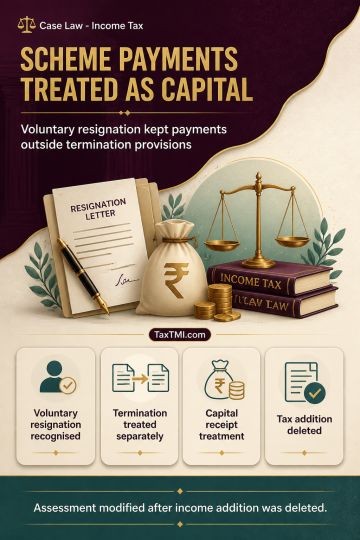
Transfer-pricing benchmarking and capital-receipt principles sustained taxpayer relief, while unsupported property-advance write-offs remained disallo...
Pre-existing operational debt disputes require genuine evidence, while undirected running-account payments may be appropriated on a first-in-first-out...
Agency in CNG distribution makes outlet operators commission agents, rendering taxable Business Auxiliary Service rather than purchasing goods for res...
The Delhi High Court upheld the order quashing of the disciplinary proceedings against the Regional Director (NR) of ROC, emphasizing the distinction between executive and quasi-judicial functions under the Act. The court held that an authority's act can be quasi-judicial even without two competing parties, considering factors like nature of rights affected. Referring to relevant case law, the court highlighted the need for objective criteria and consideration of objections for a function to be quasi-judicial. The court noted the elaborate procedure under Rule 30 for shifting applications, requiring examination of objections and reports from RoCs. Despite allegations of misconduct, the court found no fault in the respondent's approval of shifting applications, given reliance on information provided and lack of alerts about pending inspections. The court dismissed the petition, emphasizing the respondent's heavy workload and lack of evidence against other officers involved.
The Delhi High Court upheld the order quashing of the disciplinary proceedings against the Regional Director (NR) of ROC, emphasizing the distinction between executive and quasi-judicial functions under the Act. The court held that an authority's act can be quasi-judicial even without two competing parties, considering factors like nature of rights affected. Referring to relevant case law, the court highlighted the need for objective criteria and consideration of objections for a function to be quasi-judicial. The court noted the elaborate procedure under Rule 30 for shifting applications, requiring examination of objections and reports from RoCs. Despite allegations of misconduct, the court found no fault in the respondent's approval of shifting applications, given reliance on information provided and lack of alerts about pending inspections. The court dismissed the petition, emphasizing the respondent's heavy workload and lack of evidence against other officers involved.
Note: It is a system-generated summary and is for quick reference only.
 TaxTMI
 of 4792



















 Join Channel


 TaxTMI
