Arrest safeguards require disclosed grounds, relative intimation and transit remand, while duplicate prosecution under the CGST framework is unsustain...
Document Identification Number defects can invalidate GST assessments, with delayed challenges entertained conditionally where patent irregularities e...
Windmill commissioning evidence supported higher depreciation where grid connection and electricity generation proved operational use before the relev...
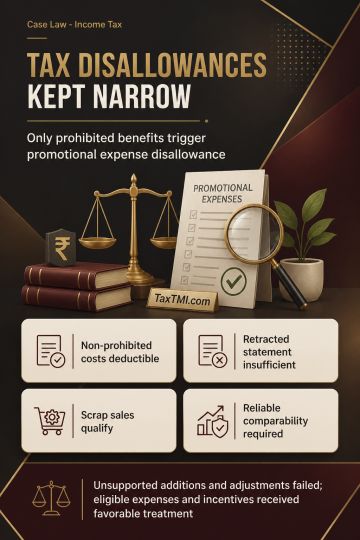
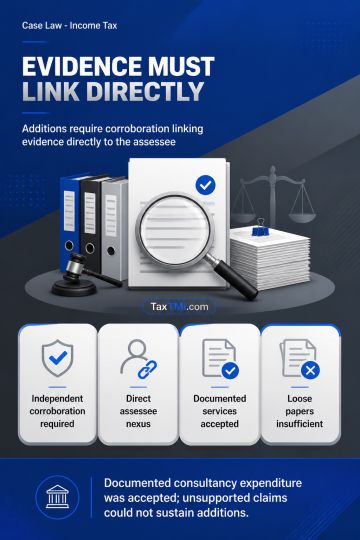
Pharmaceutical promotion and transfer-pricing comparability principles limited disallowances, while uncorroborated search allegations and unsupported ...
Business expenditure substantiation supports scrap credits, statutory payments and expense claims, while depreciation requires proof of actual busines...
The Delhi High Court upheld the order quashing of the disciplinary proceedings against the Regional Director (NR) of ROC, emphasizing the distinction between executive and quasi-judicial functions under the Act. The court held that an authority's act can be quasi-judicial even without two competing parties, considering factors like nature of rights affected. Referring to relevant case law, the court highlighted the need for objective criteria and consideration of objections for a function to be quasi-judicial. The court noted the elaborate procedure under Rule 30 for shifting applications, requiring examination of objections and reports from RoCs. Despite allegations of misconduct, the court found no fault in the respondent's approval of shifting applications, given reliance on information provided and lack of alerts about pending inspections. The court dismissed the petition, emphasizing the respondent's heavy workload and lack of evidence against other officers involved.
The Delhi High Court upheld the order quashing of the disciplinary proceedings against the Regional Director (NR) of ROC, emphasizing the distinction between executive and quasi-judicial functions under the Act. The court held that an authority's act can be quasi-judicial even without two competing parties, considering factors like nature of rights affected. Referring to relevant case law, the court highlighted the need for objective criteria and consideration of objections for a function to be quasi-judicial. The court noted the elaborate procedure under Rule 30 for shifting applications, requiring examination of objections and reports from RoCs. Despite allegations of misconduct, the court found no fault in the respondent's approval of shifting applications, given reliance on information provided and lack of alerts about pending inspections. The court dismissed the petition, emphasizing the respondent's heavy workload and lack of evidence against other officers involved.
Note: It is a system-generated summary and is for quick reference only.
 TaxTMI
 of 4792



















 Join Channel


 TaxTMI