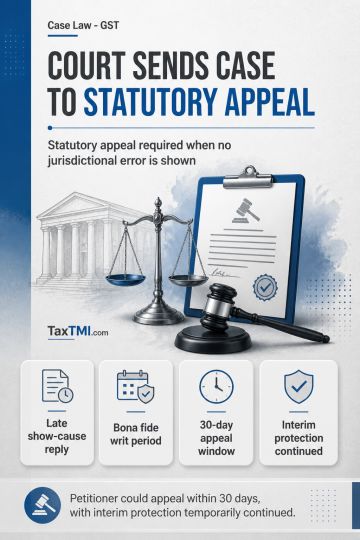
Dispute Resolution Panel objections must reach both prescribed forums; otherwise assessment may proceed and statutory appeal remains the proper remedy...
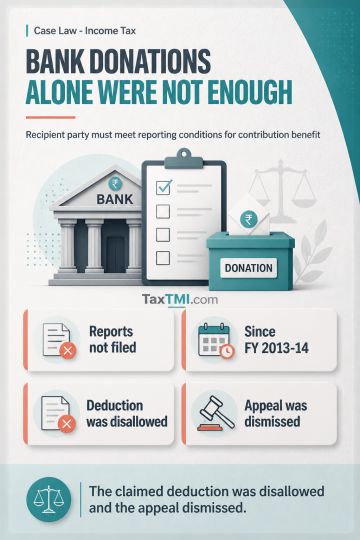
Political contribution deductions require recipient party compliance with contribution-reporting conditions; banking-channel donations alone do not qu...
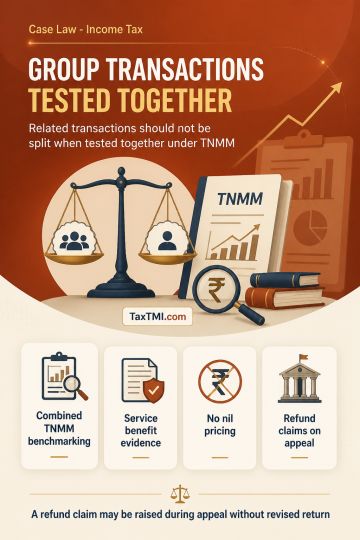
Aggregation under TNMM prevents selective testing of intra-group services without comparable uncontrolled transactions, while appellate additional cla...
Protective assessment cannot duplicate identical receipts under competing characterisations; remote services did not establish a taxable permanent est...
The Delhi High Court upheld the order quashing of the disciplinary proceedings against the Regional Director (NR) of ROC, emphasizing the distinction between executive and quasi-judicial functions under the Act. The court held that an authority's act can be quasi-judicial even without two competing parties, considering factors like nature of rights affected. Referring to relevant case law, the court highlighted the need for objective criteria and consideration of objections for a function to be quasi-judicial. The court noted the elaborate procedure under Rule 30 for shifting applications, requiring examination of objections and reports from RoCs. Despite allegations of misconduct, the court found no fault in the respondent's approval of shifting applications, given reliance on information provided and lack of alerts about pending inspections. The court dismissed the petition, emphasizing the respondent's heavy workload and lack of evidence against other officers involved.
The Delhi High Court upheld the order quashing of the disciplinary proceedings against the Regional Director (NR) of ROC, emphasizing the distinction between executive and quasi-judicial functions under the Act. The court held that an authority's act can be quasi-judicial even without two competing parties, considering factors like nature of rights affected. Referring to relevant case law, the court highlighted the need for objective criteria and consideration of objections for a function to be quasi-judicial. The court noted the elaborate procedure under Rule 30 for shifting applications, requiring examination of objections and reports from RoCs. Despite allegations of misconduct, the court found no fault in the respondent's approval of shifting applications, given reliance on information provided and lack of alerts about pending inspections. The court dismissed the petition, emphasizing the respondent's heavy workload and lack of evidence against other officers involved.
Note: It is a system-generated summary and is for quick reference only.
 TaxTMI
 of 4788


















 Join Channel


 TaxTMI
