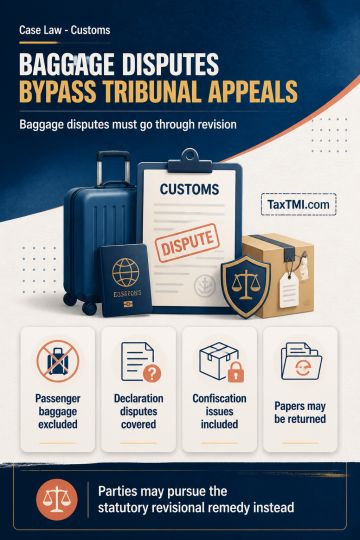
Independent show-cause notices remain separate proceedings, while customs adjudication challenges should ordinarily follow the statutory appellate rem...
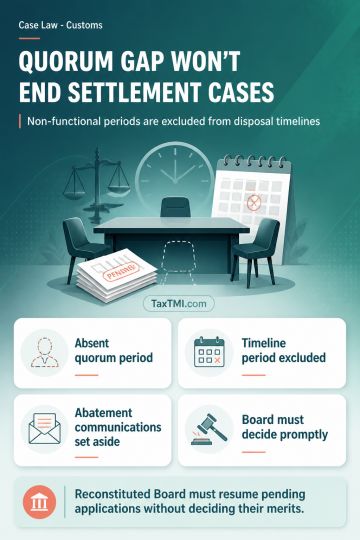
Institutional incapacity in customs settlement proceedings excludes non-functional quorum periods from statutory disposal timelines, preventing automa...
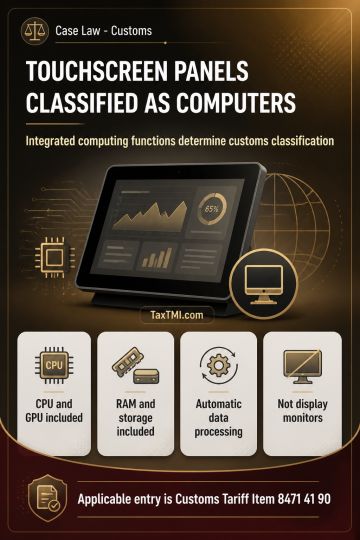
Interactive touchscreen panels with integrated computing functions fall under automatic data-processing machines rather than display monitors for cust...
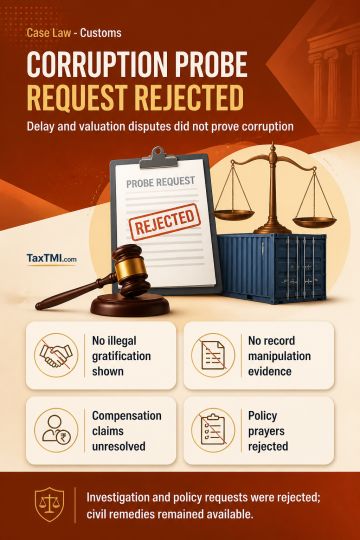
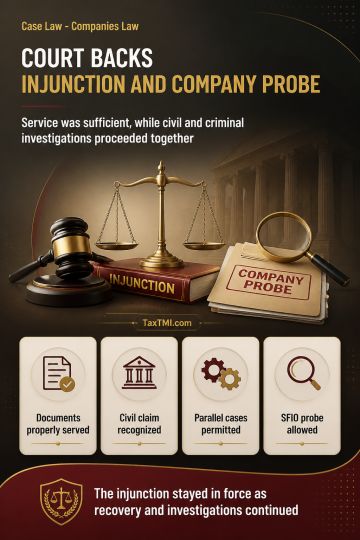
Ex parte injunction service requirements were substantially met, while civil recovery and SFIO investigation into provident fund defalcation continued...
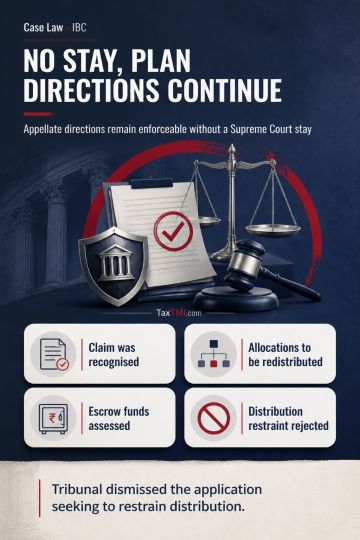
Enforcement of resolution-plan directions continues without a Supreme Court stay, preventing suspension of redistribution and escrowed-fund distributi...
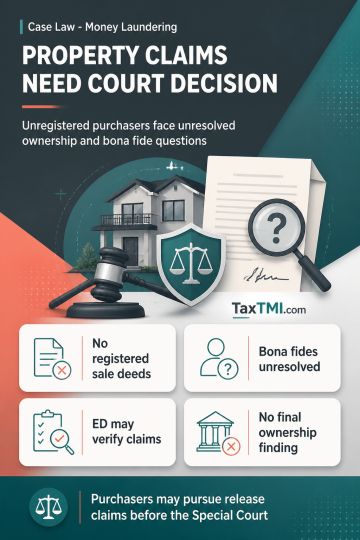
Third-party ownership claims over attached property require Special Court adjudication where purchasers lack registered sale deeds and bona fides rema...
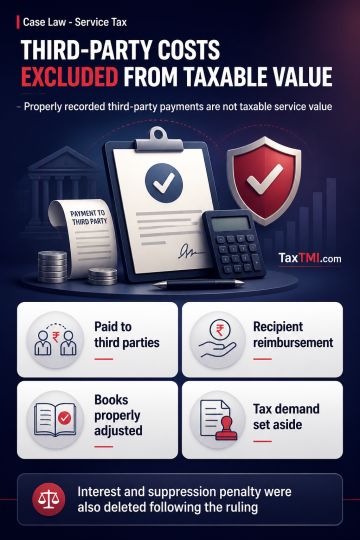
Pure-agent reimbursements in clearing and forwarding services are excluded from taxable value when qualifying third-party payments are properly record...
The ITAT Bangalore considered whether an organization engaged in microfinancing activities qualified for exemption u/s 11 as a charitable entity or if its activities were commercial in nature. The tribunal emphasized that if an organization's primary activity is trade or business, it must not have a dominant profit motive and should not use charity as a cover for commercial activities. The tribunal noted that charging exorbitant interest rates akin to commercial banks indicated a profit-driven motive, making it ineligible for exemption. The organization's activities did not align with benefiting low-income groups as required for charitable status. The tribunal ruled in favor of the revenue authority, denying the organization's claim for exemption u/s 11.
The ITAT Bangalore considered whether an organization engaged in microfinancing activities qualified for exemption u/s 11 as a charitable entity or if its activities were commercial in nature. The tribunal emphasized that if an organization's primary activity is trade or business, it must not have a dominant profit motive and should not use charity as a cover for commercial activities. The tribunal noted that charging exorbitant interest rates akin to commercial banks indicated a profit-driven motive, making it ineligible for exemption. The organization's activities did not align with benefiting low-income groups as required for charitable status. The tribunal ruled in favor of the revenue authority, denying the organization's claim for exemption u/s 11.
Note: It is a system-generated summary and is for quick reference only.
 TaxTMI
 of 4786



 Join Channel


 TaxTMI