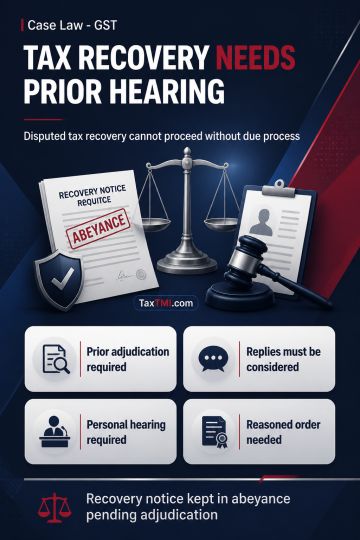
Liquidator appointment under Section 34 requires consideration of creditor recommendations, valid professional authorisation, and preservation of vali...
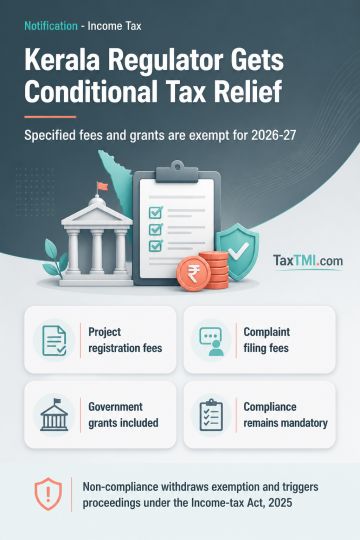
Income-tax exemption for specified regulatory fees and government grants applies subject to non-commercial activity and continuing compliance conditio...
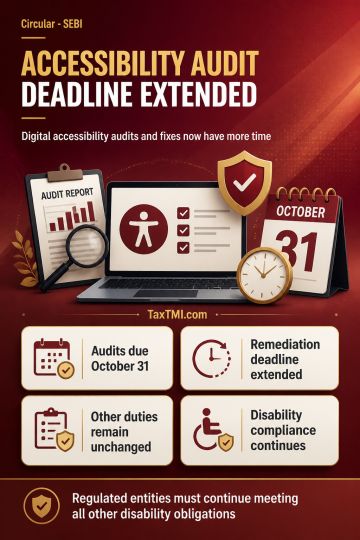
Digital accessibility audit and remediation deadlines extended, while all other disability-compliance obligations for regulated entities remain unchan...
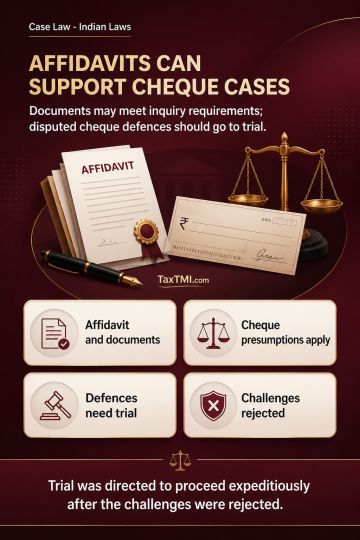
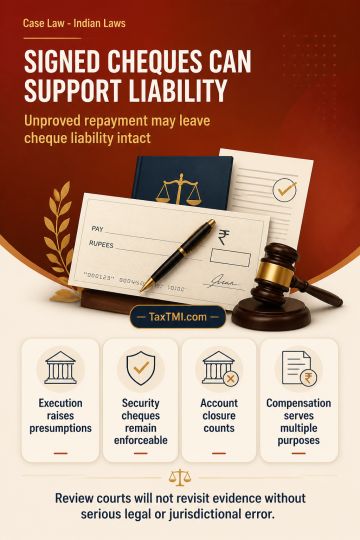
The High Court considered a case involving dishonour of cheque and cheating allegations u/s 138 of N.I. Act and u/s 420 IPC. The court found that there was no evidence of dishonest intention at the inception of the transaction, leading to the conclusion that the issuance of a cheque from a closed account did not establish the essential element of dishonest intention u/s 420 IPC. The court noted that the legal notice was premature, as the complainant could still file a fresh complaint u/s 138 of N.I. Act within two months. The conviction and sentence u/s 420 IPC and u/s 138 of N.I. Act were set aside, allowing for the possibility of a fresh complaint.
The High Court considered a case involving dishonour of cheque and cheating allegations u/s 138 of N.I. Act and u/s 420 IPC. The court found that there was no evidence of dishonest intention at the inception of the transaction, leading to the conclusion that the issuance of a cheque from a closed account did not establish the essential element of dishonest intention u/s 420 IPC. The court noted that the legal notice was premature, as the complainant could still file a fresh complaint u/s 138 of N.I. Act within two months. The conviction and sentence u/s 420 IPC and u/s 138 of N.I. Act were set aside, allowing for the possibility of a fresh complaint.
Note: It is a system-generated summary and is for quick reference only.
 TaxTMI
 of 4800






 Join Channel


 TaxTMI