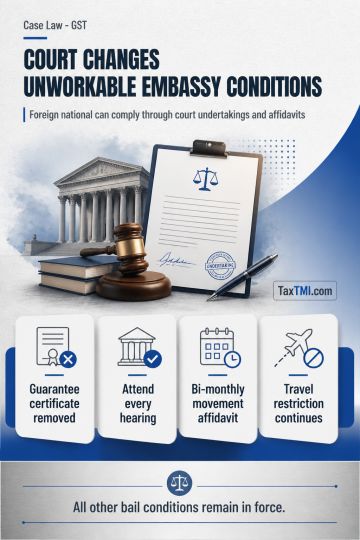
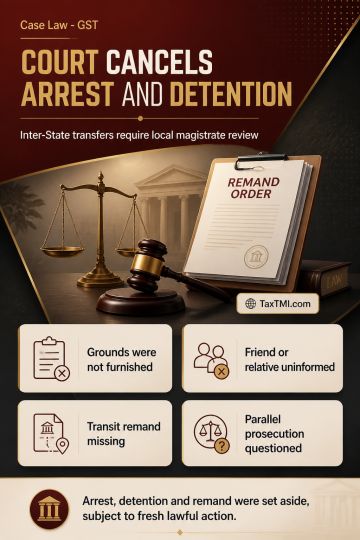
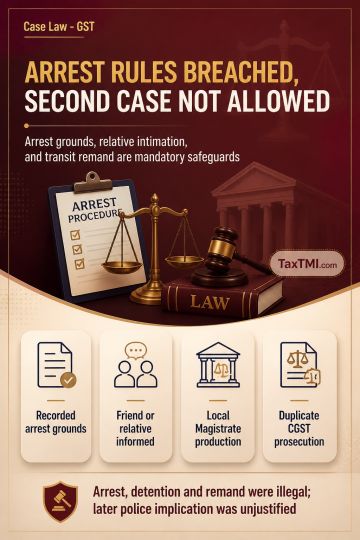
Arrest safeguards and transit remand requirements invalidated detention following inter-State transfer without communicated grounds or magistrate auth...
Arrest safeguards require disclosed grounds, relative intimation and transit remand, while duplicate prosecution under the CGST framework is unsustain...
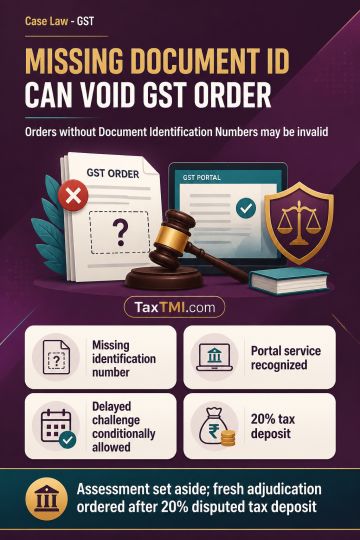
Document Identification Number defects can invalidate GST assessments, with delayed challenges entertained conditionally where patent irregularities e...
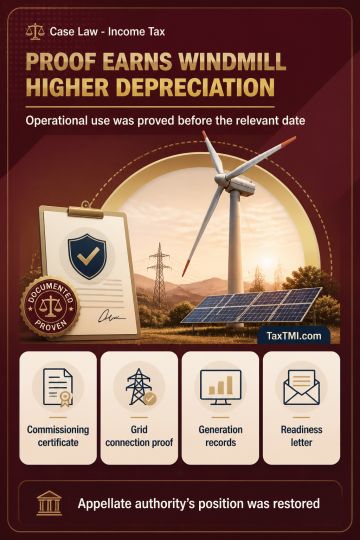
Windmill commissioning evidence supported higher depreciation where grid connection and electricity generation proved operational use before the relev...
Powers of the ED to arrest an accused after cognizance is taken by the Special Court. - Procedure when an accused does not appear after service of summons. - The Supreme Court noted with concern the practice by some Special Courts under the PMLA of taking accused into custody after their appearance in compliance with a summons. This practice was found to be illegal and in violation of the right to liberty. The Court clarified that if the ED requires the custody of an accused who appears post-summons, it must apply to the Special Court for such custody, ensuring that the accused's rights are respected and safeguarded through judicial oversight.
Powers of the ED to arrest an accused after cognizance is taken by the Special Court. - Procedure when an accused does not appear after service of summons. - The Supreme Court noted with concern the practice by some Special Courts under the PMLA of taking accused into custody after their appearance in compliance with a summons. This practice was found to be illegal and in violation of the right to liberty. The Court clarified that if the ED requires the custody of an accused who appears post-summons, it must apply to the Special Court for such custody, ensuring that the accused's rights are respected and safeguarded through judicial oversight.
Note: It is a system-generated summary and is for quick reference only.
 TaxTMI
 of 4805




 Join Channel


 TaxTMI
