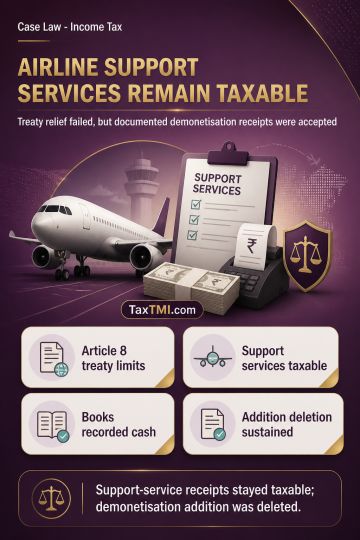
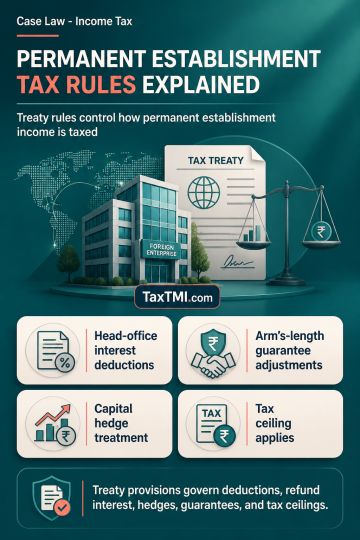
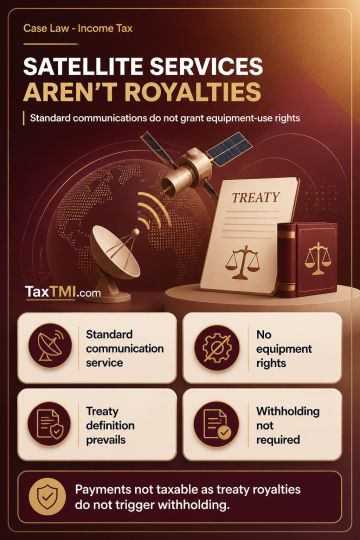
Article 8 treaty coverage excluded third-party airline support services, while documented demonetisation cash receipts remained accepted business inco...
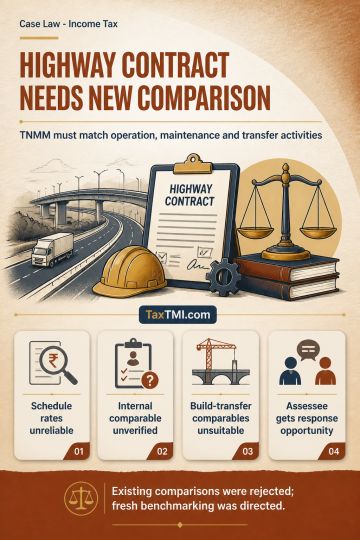
Functional comparability under TNMM requires highway contract benchmarks to reflect operation, maintenance and transfer activities, requiring fresh be...
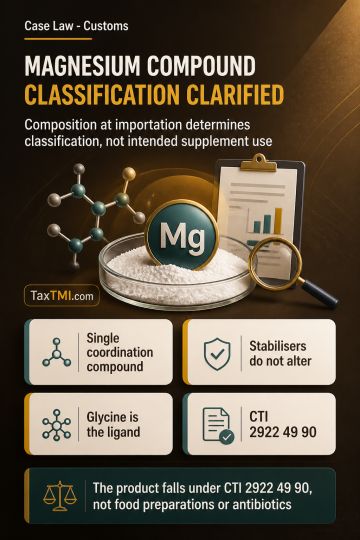
Objective characteristics govern magnesium bis-glycinate chelate classification as an amino-acid coordination compound, not a food preparation or anti...
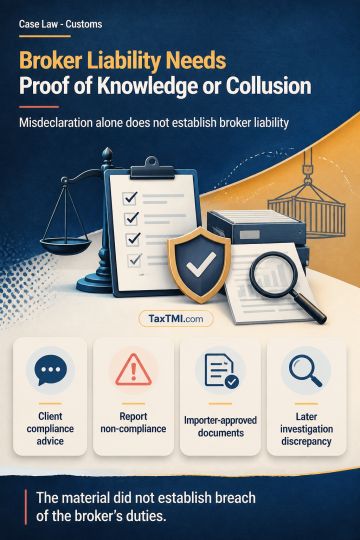
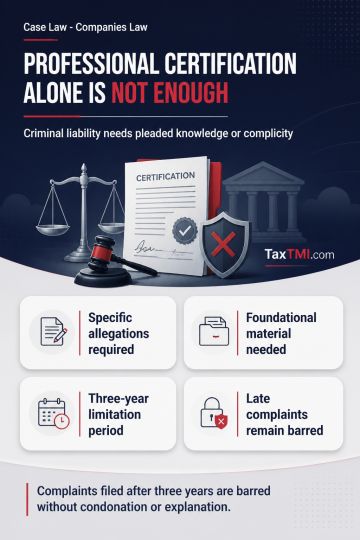
Independent professional certification requires pleaded knowledge or complicity for criminal liability; untimely complaints remain barred by limitatio...
Powers of the ED to arrest an accused after cognizance is taken by the Special Court. - Procedure when an accused does not appear after service of summons. - The Supreme Court noted with concern the practice by some Special Courts under the PMLA of taking accused into custody after their appearance in compliance with a summons. This practice was found to be illegal and in violation of the right to liberty. The Court clarified that if the ED requires the custody of an accused who appears post-summons, it must apply to the Special Court for such custody, ensuring that the accused's rights are respected and safeguarded through judicial oversight.
Powers of the ED to arrest an accused after cognizance is taken by the Special Court. - Procedure when an accused does not appear after service of summons. - The Supreme Court noted with concern the practice by some Special Courts under the PMLA of taking accused into custody after their appearance in compliance with a summons. This practice was found to be illegal and in violation of the right to liberty. The Court clarified that if the ED requires the custody of an accused who appears post-summons, it must apply to the Special Court for such custody, ensuring that the accused's rights are respected and safeguarded through judicial oversight.
Note: It is a system-generated summary and is for quick reference only.
 TaxTMI
 of 4805



 Join Channel


 TaxTMI
