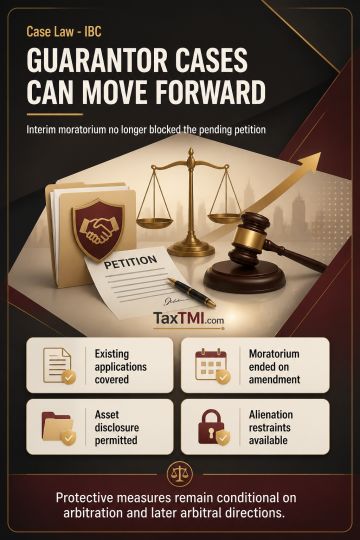
Retroactive interim-moratorium exclusion permits protective asset disclosure and preservation measures against personal guarantors pending arbitration...
Business expenditure deduction requires proof of genuine commission payments and commercial allowability; turnover growth alone cannot validate the cl...
Powers of the ED to arrest an accused after cognizance is taken by the Special Court. - Procedure when an accused does not appear after service of summons. - The Supreme Court noted with concern the practice by some Special Courts under the PMLA of taking accused into custody after their appearance in compliance with a summons. This practice was found to be illegal and in violation of the right to liberty. The Court clarified that if the ED requires the custody of an accused who appears post-summons, it must apply to the Special Court for such custody, ensuring that the accused's rights are respected and safeguarded through judicial oversight.
Powers of the ED to arrest an accused after cognizance is taken by the Special Court. - Procedure when an accused does not appear after service of summons. - The Supreme Court noted with concern the practice by some Special Courts under the PMLA of taking accused into custody after their appearance in compliance with a summons. This practice was found to be illegal and in violation of the right to liberty. The Court clarified that if the ED requires the custody of an accused who appears post-summons, it must apply to the Special Court for such custody, ensuring that the accused's rights are respected and safeguarded through judicial oversight.
Note: It is a system-generated summary and is for quick reference only.
 TaxTMI
 of 4805

















 Join Channel


 TaxTMI
