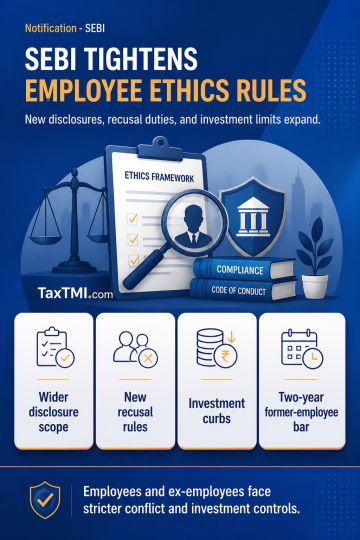
Employee conflict disclosures and investment restrictions expand with new recusal duties, post-employment limits, and compliance reporting requirement...
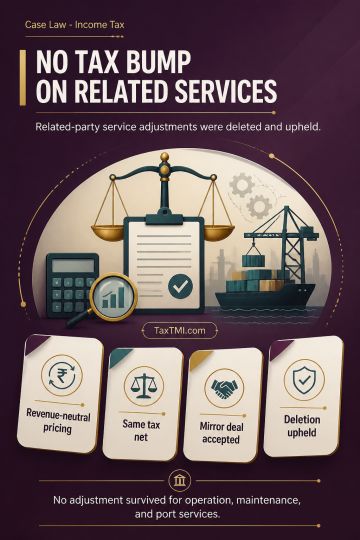
Revenue-neutral domestic transfer pricing and mirror transactions justified deletion of related-party adjustments for operation, maintenance and port ...
Page of 4817
Press 'Enter' after typing page number.
1561 to 1580 of 96333 Results
❮
❯
❯❯
0 / 200
Expand Note
Add to Folder
No Folders have been created
+
Are you sure you want to delete "My most important" ?
Scope of CIRP costs - Section 5(13) and Regulation 31 - waterfall mechanism - contract was completed during the CIRP period - The Tribunal emphasized that for a claim to be classified as CIRP cost, it must be directly related to maintaining the Corporate Debtor as a going concern and approved by the CoC. The primacy of CoC in such determinations. - Regarding Role of Contractual Terms: The Tribunal noted that payments to RBM Enterprises were contingent on NTPC payments to SHEL, which did not materialize. Therefore, the claim did not qualify as a CIRP cost. - Ultimately, the Tribunal overturned the Adjudicating Authority's order, declaring that the claim by RBM Enterprises does not meet the criteria for CIRP costs and should be classified under Section 53 of the Code for liquidation distribution.
Scope of CIRP costs - Section 5(13) and Regulation 31 - waterfall mechanism - contract was completed during the CIRP period - The Tribunal emphasized that for a claim to be classified as CIRP cost, it must be directly related to maintaining the Corporate Debtor as a going concern and approved by the CoC. The primacy of CoC in such determinations. - Regarding Role of Contractual Terms: The Tribunal noted that payments to RBM Enterprises were contingent on NTPC payments to SHEL, which did not materialize. Therefore, the claim did not qualify as a CIRP cost. - Ultimately, the Tribunal overturned the Adjudicating Authority's order, declaring that the claim by RBM Enterprises does not meet the criteria for CIRP costs and should be classified under Section 53 of the Code for liquidation distribution.
Note: It is a system-generated summary and is for quick reference only.
 TaxTMI
  TaxTMI
 of 4817






 Join Channel