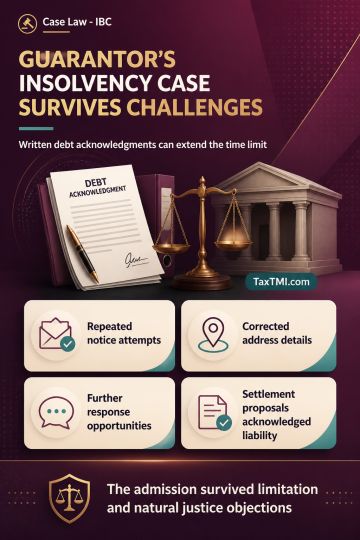
Service of notice and contractual debt acknowledgment preserved insolvency admission against a corporate guarantor despite limitation and natural just...
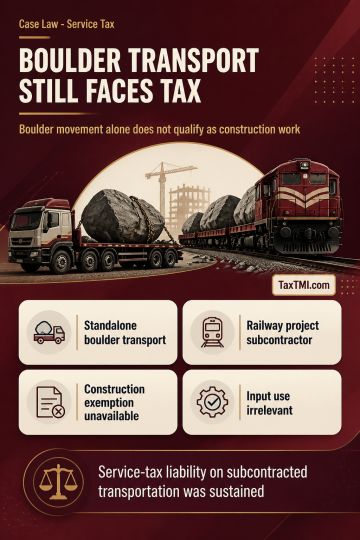
Original works exemption excludes standalone boulder transportation, leaving subcontracted railway-project transport services subject to service tax l...
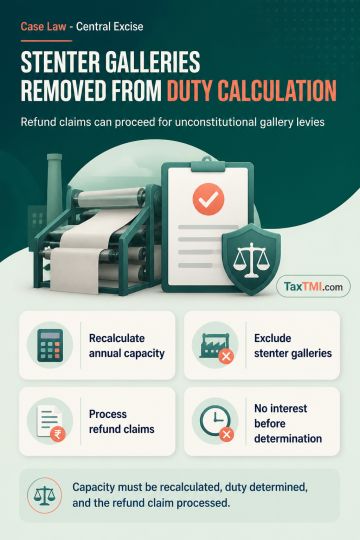
Annual production capacity determinations excluding stenter galleries support refunds for unconstitutional excise levies without an unjust-enrichment ...
Vicarious liability for cheque dishonour requires specific allegations of responsibility and cheque signatory; generic director allegations cannot sus...
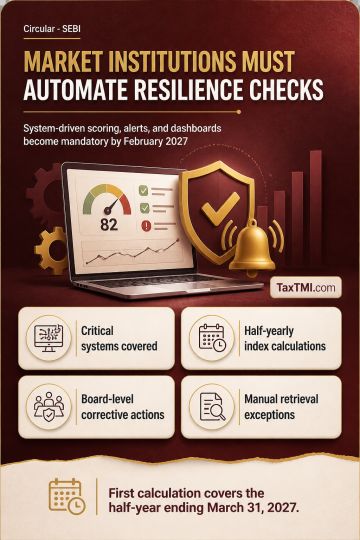
IT Resilience Index requires market infrastructure institutions to automate resilience scoring, early warnings, and continuous service-delivery monito...
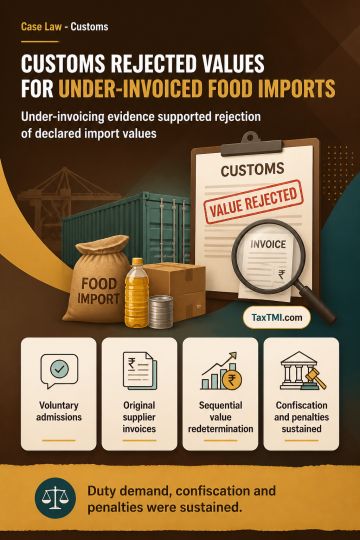
SAFTA - Denial of benefit of Notification No.99/2011-CUS - Importation of the goods from Bangladesh - Edible oils - The Tribunal noted that the certificates of origin had been duly issued and verified by competent Bangladeshi authorities, which the Indian revenue department acknowledged as genuine. It highlighted precedents where certificates of origin issued under trade agreements must be respected unless proven otherwise by the Revenue. The Tribunal found that although the goods imported directly from Malaysia and Indonesia were cheaper, the processing and conversion of crude palm oil to Refined Palm Olein in Bangladesh justified a higher price. The Tribunal accepted the process undertaken in Bangladesh as legitimate and compliant with SAFTA.
SAFTA - Denial of benefit of Notification No.99/2011-CUS - Importation of the goods from Bangladesh - Edible oils - The Tribunal noted that the certificates of origin had been duly issued and verified by competent Bangladeshi authorities, which the Indian revenue department acknowledged as genuine. It highlighted precedents where certificates of origin issued under trade agreements must be respected unless proven otherwise by the Revenue. The Tribunal found that although the goods imported directly from Malaysia and Indonesia were cheaper, the processing and conversion of crude palm oil to Refined Palm Olein in Bangladesh justified a higher price. The Tribunal accepted the process undertaken in Bangladesh as legitimate and compliant with SAFTA.
Note: It is a system-generated summary and is for quick reference only.
 TaxTMI
  TaxTMI
 of 4828








 Join Channel